How Radiologist Jobs Are Changing: Remote Work, Flexibility, and New Models
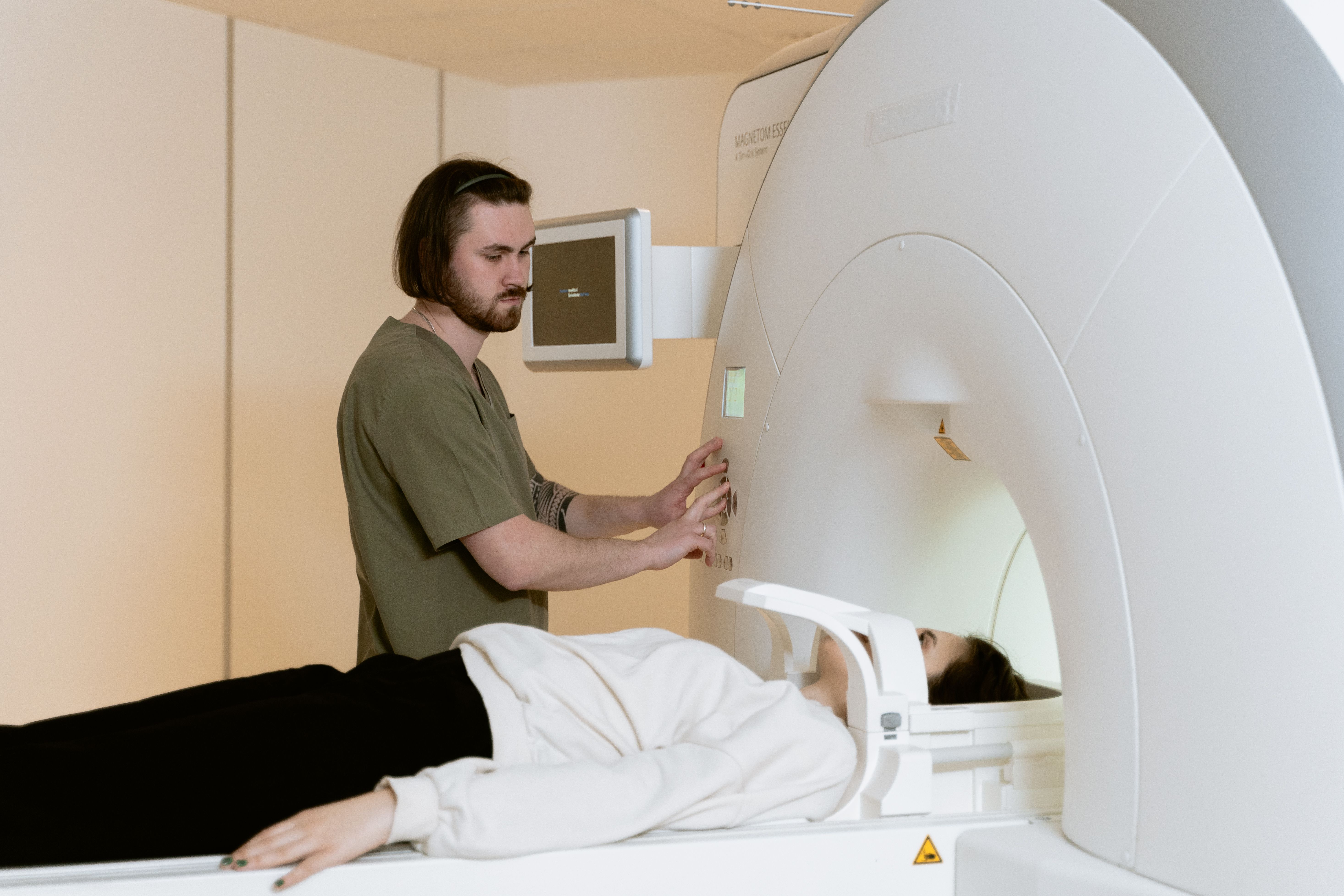
The work of a radiologist looks different today than it did a decade ago. The core mission—accurate interpretation and safe patient care—has not changed, but where, when, and how that work happens has shifted substantially. Technology, workflow, and evolving regulation have opened models that simply did not exist for earlier generations of radiologists. This article looks at how the role is changing and what those changes mean for physicians and the facilities that work with them.
From On-Site Only to Location-Independent
For most of the profession’s history, a radiologist’s work was tied to a physical reading room. Studies were acquired, printed or displayed on site, and read by whoever was present. The rise of digital imaging, the DICOM standard, and PACS (Picture Archiving and Communication System) changed that: once images could be stored and transmitted electronically, interpretation no longer had to happen in the same building as acquisition.
The practical result is that many radiologists now read studies remotely, whether from a different facility, a regional hub, or a home reading setup. This location independence is one of the most significant structural changes to the role—and it underpins nearly every other shift discussed below.
Greater Flexibility and New Schedules
Remote reading has made a wider range of working arrangements possible. Radiologists can take on part-time or per-study contract work, cover specific shifts (including nights and weekends) without relocating, or blend on-site and remote responsibilities. For many physicians this has improved work-life balance and made it easier to continue practicing through different life stages.
It has also changed how facilities think about coverage. Rather than staffing every location for every hour, they can match physician availability to demand more precisely—drawing on remote capacity to fill gaps that would once have gone uncovered or required expensive on-site arrangements.
Subspecialization Made More Accessible
Because remote models decouple expertise from location, subspecialty reads—neuroradiology, musculoskeletal, body imaging, pediatric, and others—are now available to facilities that could never justify a full-time on-site subspecialist. For radiologists, this means subspecialty skills can be applied across many sites rather than a single institution, expanding both impact and earning potential.
Beyond Interpretation: The Rise of Remote Supervision
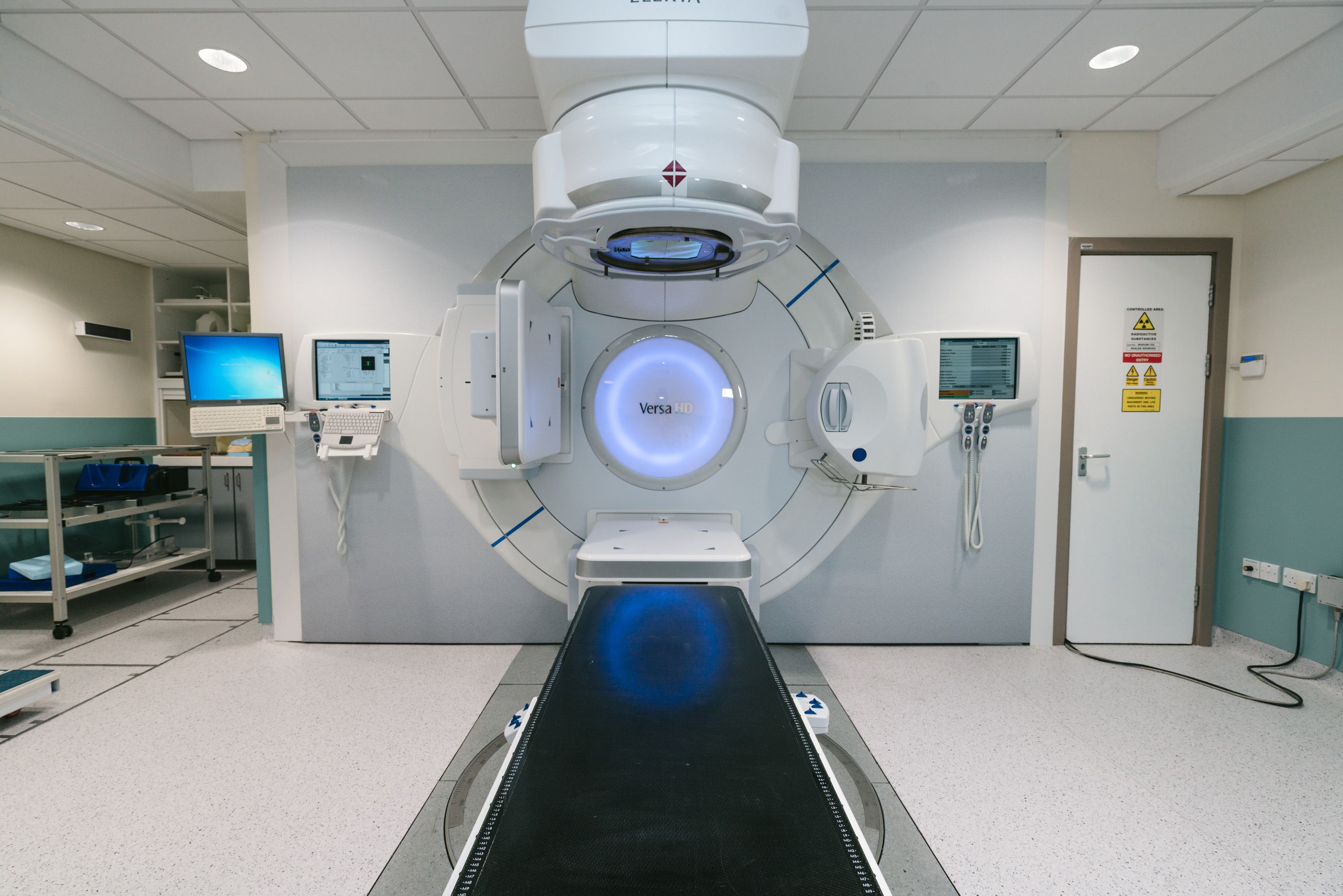
One of the newer shifts extends the remote model past image interpretation into real-time procedure supervision. Contrast-enhanced imaging requires physician supervision of contrast administration, and until recently that meant a physician physically present in the facility. As regulations in a growing number of states have evolved, this supervision can now—where permitted—be provided remotely, in real time, through secure connectivity.
This has created a distinct category of work: supervision-focused roles that are structured around coverage windows rather than per-study reads. For radiologists, it is another flexible way to apply their credentials; for imaging centers, it is what keeps contrast-enhanced studies available when an on-site physician isn’t. It is the specific area ContrastConnect focuses on.
What These Changes Require
The evolving role still rests on the same professional foundations, applied across more settings:
- Multi-state licensure: Remote work often means being licensed in several states, since a physician generally must be licensed where the patient is located.
- Credentialing across facilities: Working with multiple sites means credentialing at each, though mechanisms like credentialing by proxy can streamline this.
- Comfort with technology: Diagnostic-grade displays, secure connectivity, and familiarity with varied PACS and communication tools are now core to the job.
- Clear understanding of state rules: Especially for supervision work, where requirements vary by state and continue to change.
What It Means Going Forward
The direction of travel is toward more flexibility, broader reach, and new kinds of remote work layered on top of traditional reading. For radiologists, that means more ways to structure a career. For imaging centers, it means access to expertise and coverage models that were out of reach a generation ago. Facilities that understand these shifts—and physicians who position themselves for them—are best placed to benefit. If remote contrast supervision is part of that picture for your facility, ContrastConnect can help you put it into practice.
Trusted Nationwide








.avif)



1,000,000
Contrast exams supervised annually
75,000+
Hours of supervision monthly
3,900+
Technologists certified
100s
Of imaging partners nationwide
130+
Contrast reactions treated monthly
100%
Requested hours covered
Connect with us.

