Virtual Contrast Supervision Implementation: Timeline, Staffing & Coverage Planning


Key Takeaways
- The Centers for Medicare & Medicaid Services (CMS) has permanently permitted virtual direct supervision of contrast exams, effective January 1, 2026, using real-time audio and video rather than audio-only calls.
- A practical implementation plan can run in six phases, from site readiness through workflow design, staff training, a limited pilot, and staged expansion, with timing driven by site count, credentialing, compliance review, and staff readiness.
- Each shift needs a licensed remote supervising radiologist, an on-site technologist trained to recognize and respond to contrast reactions, and named backup coverage for breaks, handoffs, evenings, weekends, holidays, and sudden absences.
- Virtual contrast coverage plans should match radiologist hours to peak concurrent contrast activity by site, modality, hour, and day, then combine scheduled, on-demand, and reserve backup coverage.
- At ContrastConnect, our radiologist-owned team maps your contrast volume against coverage, provides CMS-compliant virtual supervision, and keeps audit-ready documentation as you move from pilot to multi-site rollout, so fewer contrast scans are delayed, cancelled, or turned away.
What Does Virtual Contrast Supervision Implementation Involve?
Implementing virtual contrast supervision requires a phased rollout, a staffing plan that pairs remote physicians with on-site teams, and coverage based on real scan data. The most common planning mistake is staffing to daily averages. Scan data can reveal that assumed quiet hours are busier than expected, and a single contrast reaction can hold a supervising physician's attention while exams wait at other sites.
Gaps like these tend to surface during live patient care when a facility skips the pilot stage. At ContrastConnect, we’re a radiologist-owned virtual supervision provider, and we work with imaging centers through every step, from mapping contrast volume to building a rollout plan that fits your sites and hours.
ContrastConnect: Virtual Contrast Supervision That Never Misses
Built by Radiologists | 75,000+ Hours Monthly Contrast Exams | Trusted Nationwide

Built for Imaging Centers:
- Virtual Contrast Supervision: Radiologists provide immediate CMS-compliant supervision through a secure, HIPAA-compliant platform for outpatient imaging facilities.
- Unmatched Experience: 130+ contrast reactions treated monthly with 3,900+ technologists certified.
The ContrastConnect Difference:
- ✓ Radiologist-owned with superior clinical expertise
- ✓ Always-on platform with guaranteed compliance
- ✓ Audit-ready documentation for CMS reviews
- ✓ Cost-efficient alternative to onsite staffing
Safety & Compliance You Trust:
Helping imaging centers reduce cancellations, extend hours, and scale operations without adding on-site radiologists. Response times measured in seconds.
Virtual Contrast Supervision Implementation Timeline
Implementation timelines vary based on the number of facilities involved, credentialing and privileging requirements, compliance review, technology approval, and how ready staff is to begin. Instead of flipping a switch across every site at once, a phased approach lets a facility catch problems while they are still small.
A practical rollout can be organized into six phases, each building on the one before it.
- Assess coverage and site readiness by inventorying sites, modalities, operating hours, and existing contrast workflows, then gather contrast-volume data by location, modality, day, and time. This phase should also identify internal clinical, operational, compliance, legal, and IT/security decision-makers, and begin credentialing and privileging early, since it often takes longer than expected.
- Confirm requirements and design workflows for each individual site, defining responsibilities for the remote supervising radiologist, technologist, any other on-site licensed staff, scheduler, and emergency-response team.
- Prepare staffing and technology by setting coverage hours, arranging backup coverage, and testing industry-standard, compliant audiovisual equipment in the actual rooms where contrast procedures occur.
- Train staff and run simulations by updating policies and training materials and simulating scenarios such as contrast-related adverse events, loss of connection, supervisor unavailability, and emergency-response activation.
- Pilot the program with a defined group of sites, modalities, or coverage hours, then review connection reliability, handoffs, delays, documentation completeness, staffing adequacy, and staff feedback before expanding further.
- Expand in stages while monitoring performance, keeping policies, role assignments, credentialing records, training records, and system documentation current as the program grows.
Skipping ahead in this sequence, particularly jumping from design straight to full rollout without a pilot, tends to surface gaps during live patient care rather than during testing. A limited rollout followed by evaluation before expansion gives a facility room to adjust staffing ratios, fix connection issues, or revise escalation procedures before they affect more sites.
Virtual Contrast Supervision Staffing & Coverage Plan
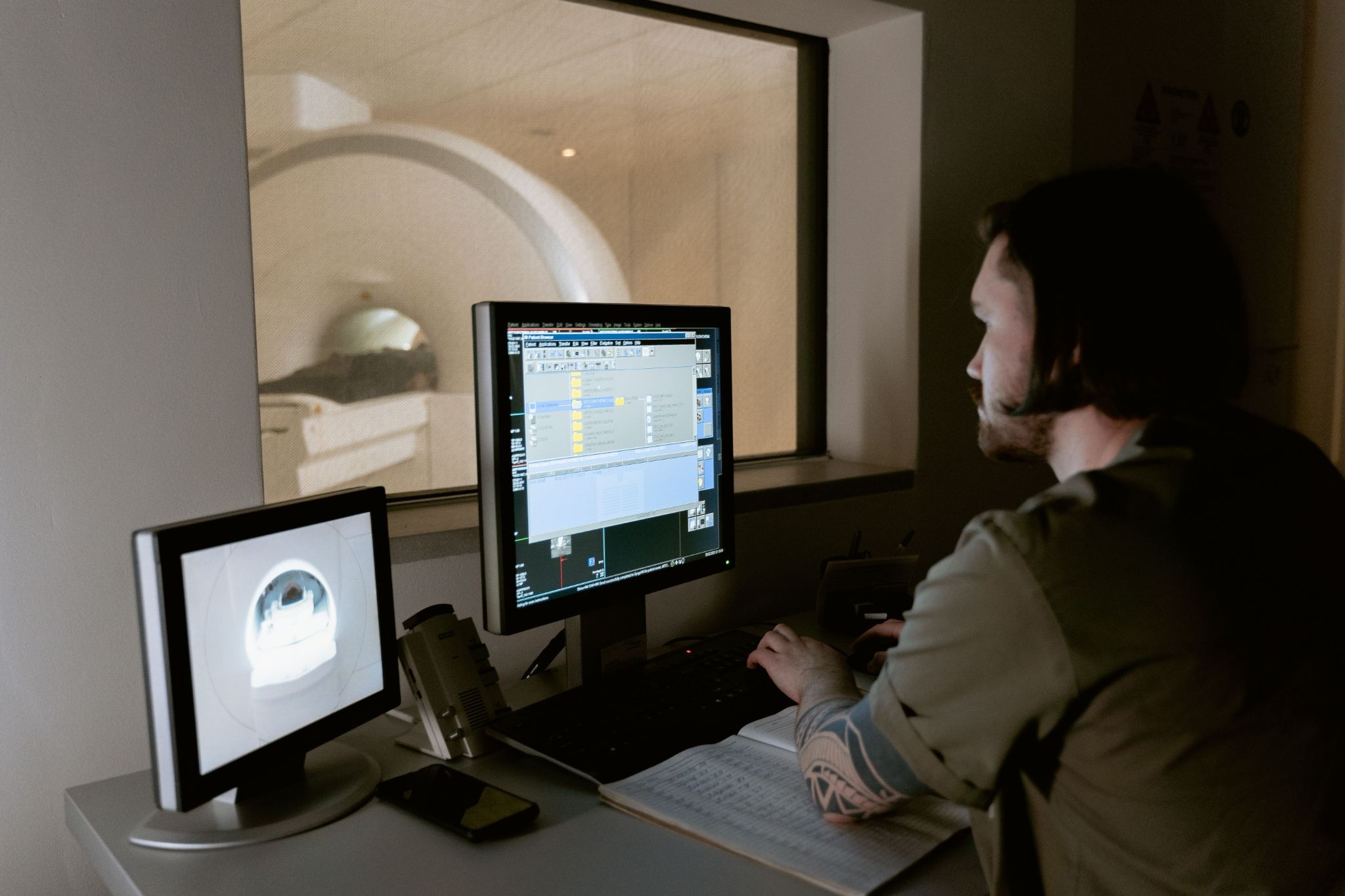
A staffing plan for virtual contrast supervision needs the licensed remote supervising radiologist and the on-site technologist to work together, supported by on-site staff trained to recognize and manage contrast reactions.
- The remote supervising radiologist must meet applicable federal and state supervision requirements and communicate with the on-site team as needed, so the coverage plan should specify assigned hours, the industry-standard connection method, a standardized escalation workflow, and backup coverage for that radiologist.
- The technologist's role covers preparing the patient, administering contrast within their authorized scope, establishing or confirming the communication link, relaying observations to the remote radiologist, and following procedures if something goes wrong.
Assign backup coverage for breaks, shift handoffs, evenings, weekends, holidays, planned absences, and sudden staffing changes. Staffing decisions should never be based solely on the number of sites or average daily scan volume. Instead, planning should account for:
- Peak concurrent contrast activity across all covered sites
- The possible need for sustained clinician attention during an active reaction
- The number and qualifications of on-site staff available at any given time
- Local emergency-response capacity if a situation escalates beyond what staff on hand can manage
Coverage planning starts by matching radiologist availability to when contrast exams actually happen, which sounds obvious until a facility pulls its own scan data and discovers that assumptions about "quiet hours" were wrong.
A demand profile should break activity down by site and modality, hour of day and day of week, seasonal or recurring volume swings, scheduled exams plus add-on demand, and current or planned operating hours. From there, the coverage analysis should flag both uncovered periods and the busiest stretches when multiple exams might overlap and compete for the same supervising radiologist’s attention.
Once the demand profile is clear, a facility can choose from a few virtual contrast coverage models, depending on how predictable the volume is:
- Scheduled coverage for predictable, recurring contrast activity
- Defined on-demand arrangements for less frequent or irregular coverage needs
- Backup capacity reserved for staff absences or unexpected demand spikes
Coverage needs to extend across every operating window a facility actually uses, including regular daytime hours, extended evenings, weekends, holidays, and time-zone differences for multi-region operations. Standardized continuity procedures matter just as much as the primary plan: what happens if the supervising radiologist becomes unavailable, the connection drops, a device fails, or the site loses network access entirely.
Tracking a few operational metrics over time helps confirm the plan is actually working, including requested versus covered hours, supervision-related delays or cancellations, connection interruptions, response and escalation events, documentation completeness, and direct staff feedback.
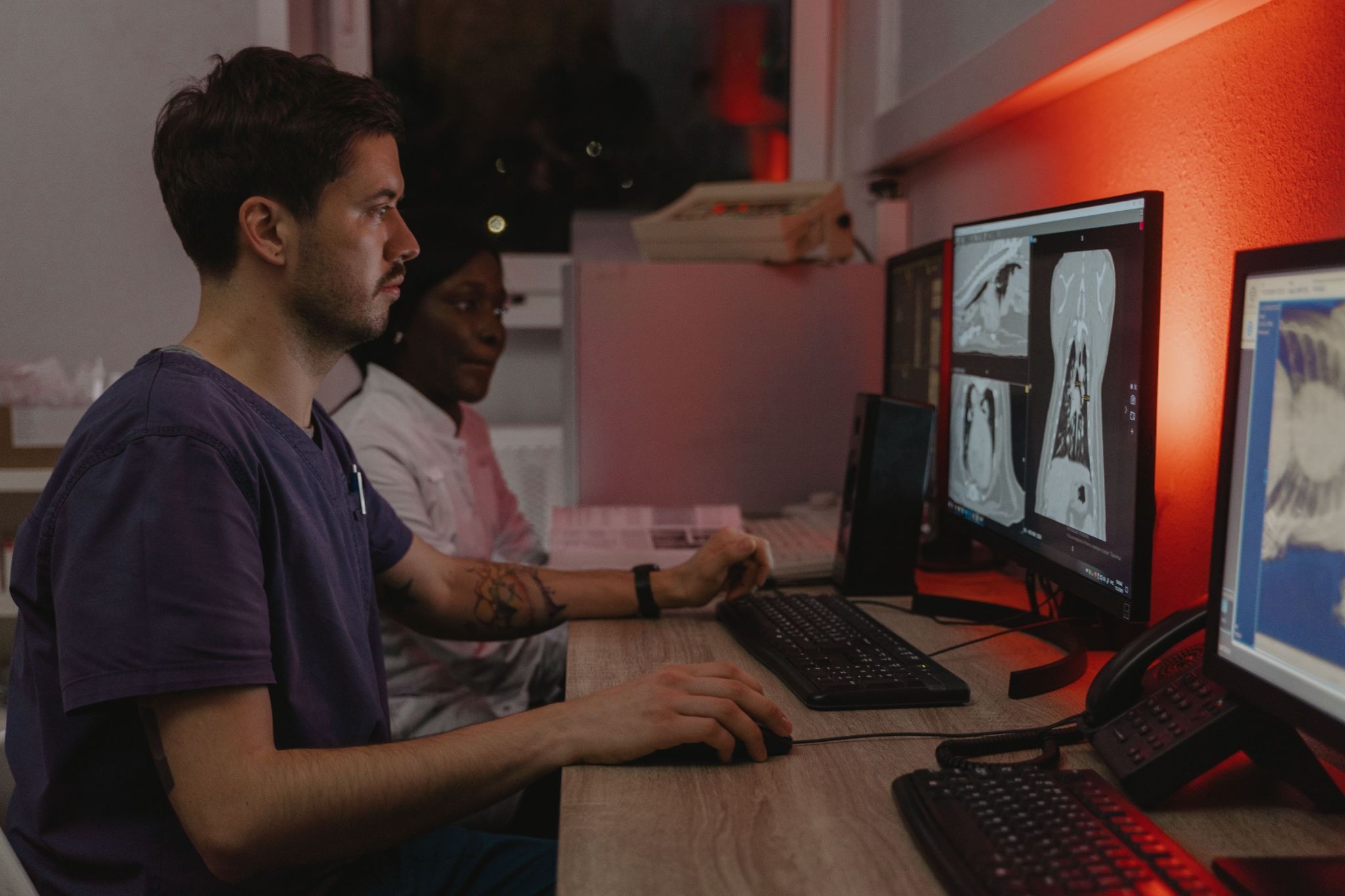
Plan Your Virtual Contrast Supervision Rollout with ContrastConnect

A virtual contrast supervision program holds up when its timeline, staffing, and coverage are built from real scan data instead of averages. A proven, standardized rollout with a pilot, named backup for every shift, and compliant audio and video links tested in each contrast room gives a facility time to fix problems before they reach patients or the schedule.
At ContrastConnect, our radiologist-owned team provides CMS-compliant virtual supervision with audit-ready documentation and response times measured in seconds. We map your contrast volume by site and hour against available coverage, then help you plan a pilot and staged expansion. Contact ContrastConnect to start your coverage assessment.
Frequently Asked Questions (FAQs)
How does virtual contrast supervision work?
Virtual contrast supervision connects a licensed remote supervising radiologist to the on-site technologist through a secure, HIPAA-compliant live audio and video link. The radiologist confirms the patient and procedure, stays connected while contrast is given, and directs the response to any reaction.
Does CMS recognize remote supervision as direct supervision?
Yes, CMS's 2026 Physician Fee Schedule final rule permits virtual direct supervision for applicable diagnostic tests, effective January 1, 2026, using real-time audio and visual interactive telecommunications. However, this federal rule does not override state law, payer requirements, facility policy, or accreditation standards, which may impose additional conditions.
Is audio-only communication allowed for virtual contrast supervision?
No, CMS policy specifically excludes audio-only communication from meeting virtual direct supervision requirements. The connection between the remote supervising radiologist and the on-site team must include real-time audio and visual components, and facilities should test it in the rooms where contrast procedures occur, not in a separate office setting.
What safeguards and redundancies ensure no missed reactions?
Safeguards include qualified on-site staff trained to recognize contrast-related adverse events, backup radiologist coverage for connection failures or radiologist unavailability, and standardized, regulatory-compliant escalation procedures to activate local emergency response. Facilities also run simulations covering dropped connections, delayed response, and supervisor unavailability before relying on the system for live patients.
Does ContrastConnect provide virtual contrast supervision?
Yes, ContrastConnect is a radiologist-owned company that provides virtual contrast supervision, compliance and regulatory coverage, and support for patient safety and reaction management for outpatient imaging providers. We work with facilities running contrast-enhanced scans that lack sufficient radiologist coverage, helping them maintain compliance and keep scans running without adding radiologist headcount.
*Note: Information provided is for general guidance only and does not constitute medical, legal, or financial advice. Pricing estimates and regulatory requirements are current at the time of writing and subject to change. For personalized consultation on imaging center operations and virtual contrast supervision, contact ContrastConnect.
Trusted Nationwide































.avif)




1,000,000
Contrast exams supervised annually
75,000+
Hours of supervision monthly
4,100+
Technologists certified
500+
Imaging partners nationwide
130+
Contrast reactions treated monthly
100%
Requested hours covered
Connect with us.

