Contrast Coverage SLA: Hours, Response Time & Backup Coverage Requirements


Key Takeaways
- A contrast coverage SLA only holds up if it states measurable guarantees for hours, response times, and backup coverage instead of general availability language.
- Coverage hours must be written day by day, specifying how weekends, federal holidays, and early or late scan slots affect radiologist availability.
- Response time terms should separate routine supervision from adverse reactions and define what happens when the first connection attempt fails.
- Backup coverage needs named trigger conditions, a secondary radiologist, a second communication path, and a logged escalation technologists can start alone.
- ContrastConnect delivers virtual contrast supervision with radiologist-owned coverage, a dedicated 24/7 physician hotline, and audit-ready CMS documentation.
What Should Your Contrast Coverage SLA Guarantee?
A contrast coverage SLA should spell out three things in writing: when a supervising radiologist is available, how fast that radiologist must respond to routine cases and adverse reactions, and what happens when the primary physician cannot be reached.
Most imaging centers only find the gaps in these terms during a staffing shortage, a platform outage, or a reaction on a Saturday morning. Knowing exactly what your contract guarantees, and where it stays vague, protects your schedule, your technologists, and your CMS compliance position.
ContrastConnect builds these guarantees into every agreement, with radiologist-owned supervision, response times measured in seconds, a dedicated 24/7 physician hotline, and audit-ready documentation for CMS reviews.
ContrastConnect: Virtual Contrast Supervision That Never Misses
Built by Radiologists | 75,000+ Hours Monthly Contrast Exams | Trusted Nationwide

Built for Imaging Centers:
- Virtual Contrast Supervision: Radiologists provide immediate CMS-compliant supervision through a secure, HIPAA-compliant platform for outpatient imaging facilities.
- Unmatched Experience: 130+ contrast reactions treated monthly with 3,900+ technologists certified.
The ContrastConnect Difference:
- ✓ Radiologist-owned with superior clinical expertise
- ✓ Always-on platform with guaranteed compliance
- ✓ Audit-ready documentation for CMS reviews
- ✓ Cost-efficient alternative to onsite staffing
Safety & Compliance You Trust:
Helping imaging centers reduce cancellations, extend hours, and scale operations without adding on-site radiologists. Response times measured in seconds.
Coverage Hours of a Radiologist
Coverage hours define the operational boundaries of your supervision agreement. This section of your SLA needs to be explicit. You need exact time windows, day by day if necessary, with clear language about changes on weekends, federal holidays, and during high-demand periods.
Standard Business Hours
For many outpatient imaging centers, standard business hours coverage forms the baseline of their SLA. This window covers most scheduled contrast exams and represents the minimum coverage tier for most facilities.
However, even within standard hours, the SLA should define whether coverage is guaranteed from the moment the facility opens or only after a warm-up or check-in period with the supervising radiologist.
24/7 Availability vs. Extended Hours
A meaningful operational difference exists between a provider that offers 24/7 coverage and one that offers extended hours with gaps.
True 24/7 availability means a qualified, licensed radiologist is accessible at 2 a.m. on a Tuesday with the same response-time guarantee as on a Monday afternoon. Extended-hours coverage, by contrast, may only extend availability to 8 or 10 p.m. on weekdays, leaving overnight and early-morning cases without supervision.
Your contract must state this explicitly. If your facility runs any early-morning MRI or CT contrast protocols (even a handful per week), overnight coverage terms directly affect your scheduling capacity and your risk exposure.
Weekend & Holiday Coverage
Weekend and holiday coverage is where many contrast supervision contracts get vague. If your facility operates on Saturdays, offers Sunday urgent imaging, or schedules contrast studies around patient demand rather than provider convenience, your SLA needs to address this directly.
The contract should explicitly name which holidays are covered under standard terms and which, if any, require advance scheduling or have modified response-time guarantees. Federal holidays like Thanksgiving, Christmas, and New Year's Day are high-risk windows if coverage terms are ambiguous.
Weekend coverage should also specify whether the same dedicated supervision model applies on Saturdays and Sundays as on weekdays, or whether the facility shifts to an on-call arrangement. That distinction directly affects response reliability and technologist confidence when initiating contrast studies without an on-site physician.
Dedicated vs. On-Call Support Models
The supervision model your provider uses affects how reliably your SLA performs. A dedicated model assigns a radiologist to virtual contrast supervision for their whole shift, with no competing reads or clinical duties. An on-call model means the radiologist handles other work and steps in when contacted.
Dedicated coverage usually delivers faster, steadier response times, which suits high-volume centers running contrast protocols all day. On-call coverage costs less and works well for lower-volume centers with scheduled exam windows.
Either can work, as long as your SLA names which model applies during each coverage period and sets response-time guarantees that model can actually meet.

Response Times: How Fast Must a Radiologist Respond?
Response time is the most operationally critical metric in any contrast coverage SLA, and it needs to be defined with precision. A strong SLA distinguishes between at least two scenarios: routine supervision requests for scheduled contrast studies, and urgent or emergent situations involving adverse reactions.
For routine cases and adverse reaction events, the response expectation should be immediate, meaning the radiologist is actively engaged within seconds because the clinical window for intervention is narrow.
The SLA should also address what happens if the initial connection attempt fails. A contract that defines response time only for successful connections but says nothing about failed-connection handling leaves a procedural gap that can create clinical and compliance exposure.
Backup Coverage Requirements
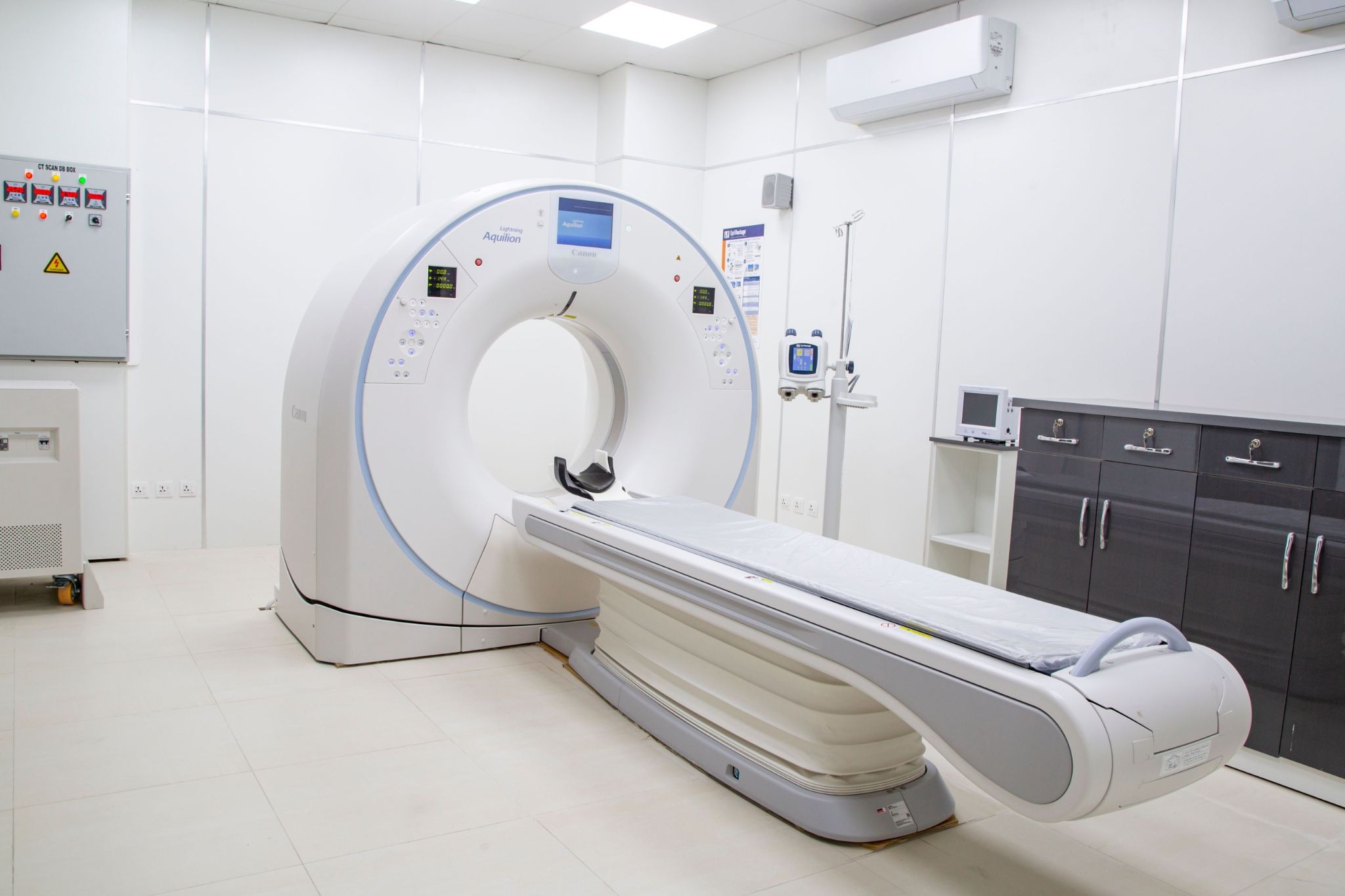
Backup coverage is the SLA component most imaging centers underestimate until they need it. Every virtual contrast supervision agreement should include a clearly defined contingency framework that activates automatically when the primary radiologist is unreachable, when the platform experiences downtime, or when an unexpected surge in case volume exceeds the supervising physician's capacity. The backup protocol should explicitly name the triggering conditions.
A strong backup coverage structure includes, at minimum: a secondary radiologist available whenever the primary is on duty, a redundant communication pathway that does not rely on the same platform infrastructure, and a standardized, regulatory-compliant escalation sequence that technologists are trained to follow without requiring managerial approval.
The SLA should also define the maximum acceptable gap in supervision continuity: the period between when a primary radiologist becomes unavailable and when backup supervision is fully active.
For high-acuity facilities, define that gap in seconds rather than minutes. The contract should also specify how backup activations are logged and whether they count against uptime and performance metrics.
A Stronger Contrast Coverage SLA Starts With ContrastConnect

A contrast coverage SLA is only as good as the specifics it puts in writing. Hours, response times, and backup triggers need exact language, not general promises, because the gap always shows up at the worst moment: a weekend reaction, an outage, or an unreachable radiologist during a busy shift.
At ContrastConnect, we built our coverage model around these exact terms, with radiologist-owned supervision, response times measured in seconds, a dedicated 24/7 physician hotline, and audit-ready documentation for CMS reviews. Book a coverage assessment with our team to see how your current SLA measures up.
Frequently Asked Questions (FAQs)
What are the CMS guidelines for supervising contrast administration?
CMS requires that contrast administration for outpatient imaging be supervised by a physician who is immediately available to intervene if needed. Since January 1, 2026, CMS permanently allows that presence to be virtual. This standard can be satisfied through real-time, two-way audio-video communication (audio-only does not qualify), provided the connection allows the specialist to see, hear, and respond immediately.
How do coverage hours work in a virtual contrast supervision contract?
Coverage hours define the specific windows during which a supervising radiologist is available through your virtual platform. Your SLA should explicitly state these hours, including weekday, weekend, and holiday availability. Premium providers offer true 24/7 coverage with consistent response time guarantees across all hours, while others offer tiered models where overnight or weekend availability operates under modified terms.
What is the difference between dedicated and on-call contrast supervision models?
A dedicated supervision model assigns a radiologist solely to virtual contrast oversight during their shift, with no competing clinical duties. An on-call model means the radiologist handles other responsibilities and responds when contacted. Dedicated models generally offer faster, more reliable response times, while on-call arrangements may be more cost-effective for lower-volume facilities with predictable scheduling needs.
In virtual contrast supervision, are radiologists immediately available?
With a dedicated supervision model and a well-structured SLA, yes. Availability depends on the provider's model, platform reliability, and whether the SLA includes enforceable response time benchmarks rather than general availability language.
What makes ContrastConnect different?
ContrastConnect was built by radiologists, and that clinical background shapes how its coverage works in practice. Its team supervises more than 85,000 contrast studies a month across 75,000+ hours of coverage and has certified more than 3,900 technologists through onsite and virtual training. Every remote coverage plan includes a purpose-built supervision platform, a dedicated 24/7 physician hotline, quarterly readiness assessments, and a regional nursing team for onsite support, so SLA terms are backed by real, industry-standard infrastructure rather than availability language.
*Note: Information provided is for general guidance only and does not constitute medical, legal, or financial advice. Pricing estimates and regulatory requirements are current at the time of writing and subject to change. For personalized consultation on imaging center operations and virtual contrast supervision, contact ContrastConnect.
Trusted Nationwide


















.avif)




1,000,000
Contrast exams supervised annually
75,000+
Hours of supervision monthly
3,900+
Technologists certified
100s
Of imaging partners nationwide
130+
Contrast reactions treated monthly
100%
Requested hours covered
Connect with us.

