Imaging Center Referrals: Contrast Availability, Revenue Impact & Growth Strategies

Key Takeaways
- Referring physicians tend to send standing volume to centers that can fill contrast orders on demand, so repeated deferrals can move a whole referral relationship to a competitor.
- At four deferrals a day and roughly $300 per study, a center loses about $36,000 a month, or nearly $432,000 a year, in technical fees and professional reads.
- A contrast availability audit pulls 90 days of Radiology Information System (RIS) data, flags deferred, downgraded, and same-day canceled studies, then overlays physician coverage to show where gaps cluster.
- Four growth strategies close the coverage gap: virtual contrast supervision, weekly deferral rate tracking, pre-screening at scheduling, and faster turnaround, with virtual supervision permanently allowed under Medicare since January 2026.
- ContrastConnect provides radiologist-led virtual contrast supervision with scheduled and on-demand coverage seven days a week, so evening and weekend contrast orders stay on your schedule.
When Referring Physicians Send Contrast Orders Your Center Can't Fill
A referring physician orders a contrast-enhanced CT, and your schedule can't accommodate it because you have no contrast coverage for that slot. The patient gets pushed to next week or downgraded to a non-contrast study. That gap happens quietly, and it happens more often than most centers track.
Every deferred study costs you the technical fee, the professional read, and a little of the referring physician's confidence. Repeat it a few times a day, and the shortfall becomes real money. Referral volume follows reliability, so the losses compound well past the exams themselves.
Closing that gap starts with knowing where your coverage breaks down, then fixing the supervision model behind it. Virtual contrast supervision is one of the fastest ways to do that. ContrastConnect provides radiologist-led coverage that keeps contrast studies on the schedule during evenings, weekends, and staffing gaps.
ContrastConnect: Virtual Contrast Supervision That Never Misses
Built by Radiologists | 75,000+ Hours Monthly Contrast Exams | Trusted Nationwide

Built for Imaging Centers:
- Virtual Contrast Supervision: Radiologists provide immediate CMS-compliant supervision through a secure, HIPAA-compliant platform for outpatient imaging facilities.
- Unmatched Experience: 130+ contrast reactions treated monthly with 3,900+ technologists certified.
The ContrastConnect Difference:
- ✓ Radiologist-owned with superior clinical expertise
- ✓ Always-on platform with guaranteed compliance
- ✓ Audit-ready documentation for CMS reviews
- ✓ Cost-efficient alternative to onsite staffing
Safety & Compliance You Trust:
Helping imaging centers reduce cancellations, extend hours, and scale operations without adding on-site radiologists. Response times measured in seconds.
What Is the Revenue Impact of Every Deferred Contrast Study?
Deferred contrast studies are a form of silent revenue loss that most imaging center leaders underestimate because the money never appears on any report.
A contrast-enhanced CT of the abdomen and pelvis reimburses significantly more than a non-contrast equivalent, and an MRI performed without and with contrast is billed under a single higher-value CPT code than either sequence alone. When supervision isn't available, and that exam gets deferred, you lose the technical fee, the professional read, and the downstream value of a satisfied referring physician.
In high-volume centers, even three to five missed contrast studies per day add up to a substantial monthly shortfall. Suppose a center averages four deferrals per day at roughly $300 per study. Under those assumptions, that would work out to about $36,000 in unrecovered revenue every month (with full-week operations), or about $432,000 annually, from a single operational gap that is entirely solvable.
Beyond direct reimbursement, the referral multiplier effect matters. A referring cardiologist who sends 20 patients per month expects consistent results. If even a fraction of those patients experience deferrals, that physician may redirect all 20 to a facility with more predictable availability. The revenue at stake extends well beyond the deferred exams themselves.
The First Step: Auditing Your Contrast Availability
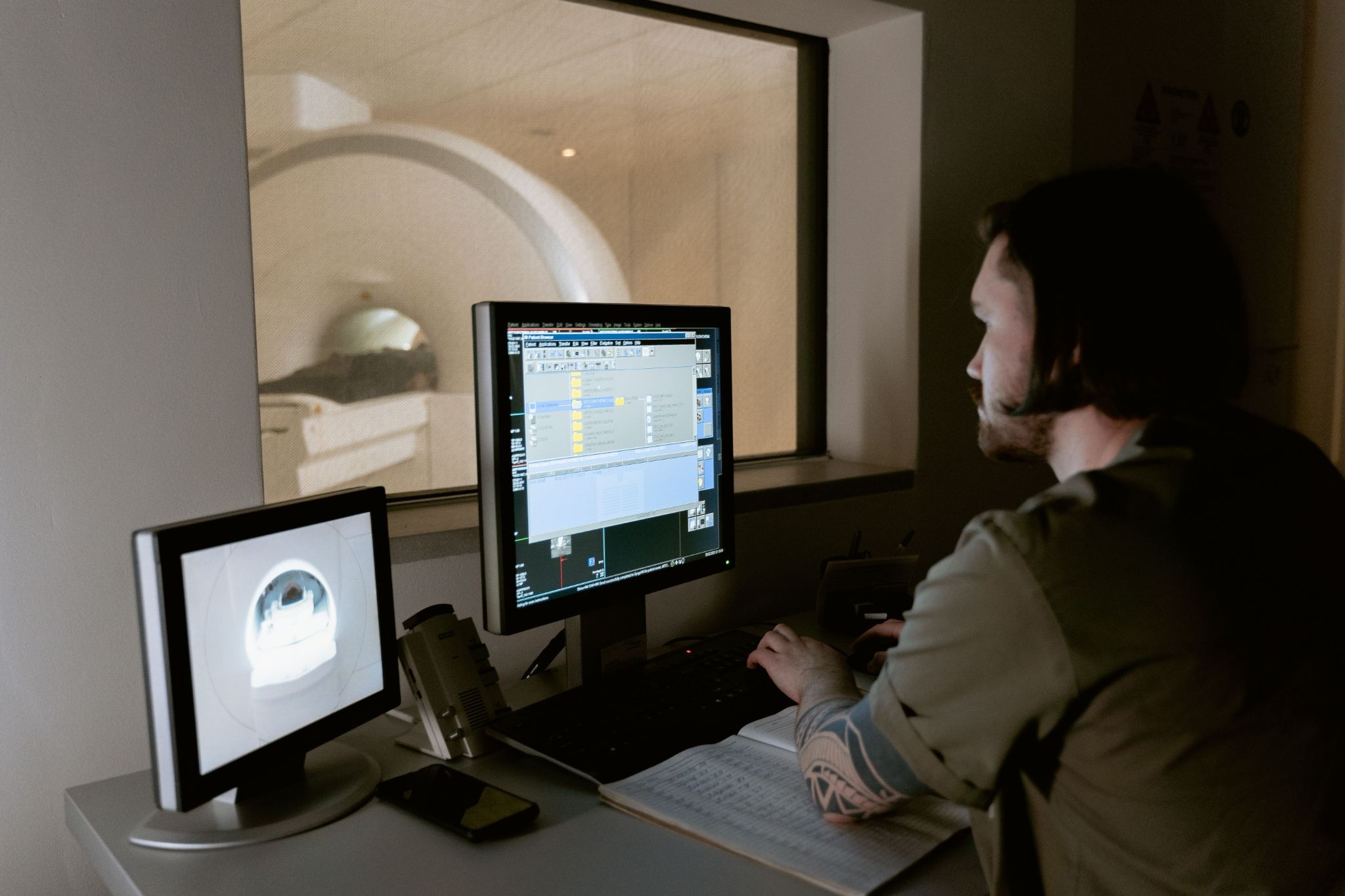
Before you can fix a coverage gap, you need to see it clearly. Most imaging centers have the data they need sitting inside their RIS or scheduling platform, but they haven't pulled it with contrast availability in mind.
A contrast availability audit focuses on one core question: how often is your center unable to perform a contrast-enhanced study when one is ordered or requested? That means tracking deferred studies, same-day cancellations, and cases where a patient was scheduled non-contrast because supervision wasn't confirmed. When you map those gaps against your operating hours, you'll almost always find a pattern: a specific time window, a day of the week, or a coverage handoff where deferrals cluster.
Start by pulling 90 days of scheduling data and filtering for contrast-eligible exam types. Flag every instance where a contrast study was rescheduled, downgraded to non-contrast, or canceled same-day. Then overlay your physician coverage schedule for those same periods.
The correlation between coverage gaps and deferral clusters will tell you exactly where your revenue is leaking. This can give you a defensible business case for fixing it.
Growth Strategies to Close the Coverage Gap
Once you understand where your contrast availability breaks down, the next step is systematic improvement. The following four strategies are what high-performing imaging centers use right now to reduce deferrals, strengthen referral relationships, and grow revenue without proportionally increasing overhead.
1. Opt for Virtual Contrast Supervision
Traditional supervision models require a radiologist or qualified physician to be physically present in the office suite and immediately available throughout every contrast administration. That model works when staffing is consistent, but it creates significant vulnerability during evenings, weekends, holidays, and unexpected call-outs.
Virtual contrast supervision solves this by allowing a licensed radiologist to provide real-time oversight via a secure, compliant audiovisual connection, remaining immediately available to direct staff and intervene if a reaction occurs.
This is a model CMS permanently authorized effective January 1, 2026, when the CY 2026 Physician Fee Schedule final rule adopted a definition of direct supervision that allows the supervising physician to be immediately available via real-time, two-way audio-video technology for diagnostic tests under 42 CFR §410.32. That authorization applies to physician offices and independent diagnostic testing facilities.
Outpatient imaging centers increasingly adopt it to gain coverage flexibility without the cost of additional on-site physicians. A few states still require onsite supervision regardless of the federal standard, so facilities should first confirm their state's rules before building a virtual-only model.
Centers that implement virtual supervision can extend contrast-capable hours into evenings and weekends, add capacity during peak periods, and eliminate the single-point-of-failure problem that comes with relying on one or two on-site physicians for all contrast coverage.
2. Track Contrast Deferral Rates
Deferral rate is the metric that makes contrast availability a visible business problem. Without it, coverage gaps feel like isolated incidents. With it, they become a quantifiable drag on revenue that leadership can prioritize and track over time.
Your deferral rate is calculated simply: divide the number of contrast studies deferred or downgraded in a given period by the total number of contrast studies ordered, then multiply by 100. A center ordering 200 contrast studies per month and deferring 30 of them has a 15% deferral rate, which, depending on your average reimbursement, likely represents tens of thousands of dollars in monthly revenue loss.
Track this metric weekly, broken down by modality, time of day, and day of week. Review it in operational meetings alongside scheduling utilization and cancellation rates. When deferral rate becomes a standing KPI, it stops being an invisible problem and starts being something your team actively manages.
3. Fix Pre-Screening Bottlenecks
Contrast pre-screening (confirming a patient is cleared to receive contrast before the exam) is a necessary step, but it's also one of the most common causes of same-day contrast delays. When pre-screening is handled reactively, at the time of the appointment, it creates bottlenecks that ripple through the entire schedule.
The fix is to move pre-screening upstream. Build a workflow where patients complete contrast questionnaires at scheduling, any required labs are ordered in advance, and technologists enter the room with a completed pre-screen in hand.
Pair that with confirmed contrast supervision for every contrast slot, because a completed pre-screen only saves the study if a supervising radiologist is available when the patient arrives. Together, these steps can significantly reduce the number of studies that stall or cancel on the day of the exam.
4. Reduce Turnaround Time
Referring physicians pay close attention to how quickly their patients move through your center and how fast results come back. When contrast supervision is reliably available, technologists can move patients through contrast studies without holding slots open or waiting for a physician to arrive on-site.
That speed translates directly into shorter turnaround times, happier referring providers, and stronger referral loyalty.
Keep Contrast Referrals on Your Schedule with ContrastConnect

Contrast availability is an operational decision with a revenue number attached. Once you audit your deferrals, track the rate, move pre-screening upstream, and tighten turnaround, the remaining gap usually comes down to supervision coverage. Fixing that one piece protects the studies you already have on the schedule.
At ContrastConnect, our licensed, practicing radiologists provide virtual contrast supervision built for outpatient imaging centers and multi-site imaging groups, with scheduled and on-demand coverage seven days a week, technologist training, and audit-ready documentation for CMS reviews. We supervise 85,000+ studies and treat 130+ reactions every month, and we cover 100% of requested hours. If deferrals are costing you studies, book a coverage assessment with us to see where your gaps are.
Frequently Asked Questions (FAQs)
What does virtual contrast supervision cover?
Virtual contrast supervision covers real-time radiologist oversight of contrast-enhanced CT and MRI exams. A licensed radiologist monitors the patient through a compliant audiovisual connection, stays ready to direct care if a reaction occurs, and documents everything per CMS and ACR rules.
How can virtual contrast supervision help imaging centers?
Virtual contrast supervision lets a qualified physician oversee contrast administration in real time through a secure audiovisual connection, without being on-site. That keeps your coverage compliant during evenings, weekends, holidays, and unexpected staffing gaps. The payoff is fewer deferred studies, more completed exams, and a schedule referring physicians can count on.
How can imaging centers audit their contrast availability?
Start by pulling scheduling and cancellation data from your RIS for a set lookback period, then flag every contrast-eligible exam that was deferred, downgraded to non-contrast, or canceled same-day. Map those events against your physician coverage schedule for the same dates to see which time windows, days, or shift handoffs the deferrals cluster around. That pattern shows you exactly where supervision gaps are costing you studies and gives you the data to justify fixing it.
How can you measure deferral rate?
To measure deferral rate, divide the contrast studies deferred or downgraded in a period by the total ordered, then multiply by 100. If you ordered 200 studies and deferred 30, your rate is 15%. Track it weekly by modality, time of day, and day of week to spot where coverage gaps hurt most.
What services does ContrastConnect offer?
ContrastConnect provides radiologist-led virtual contrast supervision with scheduled and on-demand coverage seven days a week. Every plan includes onsite and virtual technologist training, a purpose-built supervision platform with tablet and tower, a 24/7 physician hotline, and quarterly readiness reports. Hourly, daily, monthly, and annual plans are available.
*Note: Information provided is for general guidance only and does not constitute medical, legal, or financial advice. Pricing estimates and regulatory requirements are current at the time of writing and subject to change. For personalized consultation on imaging center operations and virtual contrast supervision, contact ContrastConnect.
Trusted Nationwide


















.avif)




1,000,000
Contrast exams supervised annually
75,000+
Hours of supervision monthly
4,100+
Technologists certified
100s
Of imaging partners nationwide
130+
Contrast reactions treated monthly
100%
Requested hours covered
Connect with us.

