Virtual Contrast Supervision: Meaning, Requirements & Guidelines


Key Takeaways
- Virtual contrast supervision allows qualified radiologists to remotely oversee contrast administration during imaging procedures through real-time audio-visual technology while maintaining patient safety and CMS compliance.
- The Centers for Medicare and Medicaid Services (CMS) made virtual direct supervision permanent for diagnostic tests starting January 1, 2026, which is a major shift from pre-pandemic policies that required on-site physician presence in the office suite.
- Implementing virtual contrast supervision requires specific technical infrastructure including HD pan-tilt-zoom cameras, two-way audio systems, a minimum dedicated bandwidth of 5 to 10 Mbps per connection, network latency below 150ms, backup power and internet redundancy, and HIPAA-compliant end-to-end encryption.
- ACR guidelines balance flexibility with safeguards through qualified personnel requirements, emergency response protocols with BLS-credentialed on-site staff, regular mock drills, and full documentation standards including supervising physician identity, communication method, and verification of immediate availability.
- ContrastConnect supports imaging facilities with a CMS-compliant virtual supervision platform backed by qualified radiologists who supervise more than 75,000 contrast exam hours and treat 130+ contrast reactions each month, alongside technologist training, audit-ready documentation, and seconds-fast response times.
What Does Virtual Contrast Supervision Actually Mean in Medical Imaging?
Virtual contrast supervision is the model where qualified radiologists remotely oversee contrast media administration during diagnostic imaging procedures through real-time, two-way audio-visual technology, satisfying CMS direct supervision requirements without physical presence in the office suite.
The supervising physician maintains immediate availability throughout the procedure via HIPAA-compliant audio-visual platforms, observing the contrast injection site, the patient's face for reaction monitoring, and the technical control area, while delivering verbal direction to on-site technologists and being able to intervene immediately if adverse reactions occur.
The contrast media used in advanced imaging help highlight specific body structures and abnormalities that might otherwise remain undetected. However, these agents carry potential risks, including allergic reactions and other adverse events that require immediate medical intervention. Virtual supervision supports expert medical oversight throughout the procedure, even when delivered via technological means rather than in-person.
ContrastConnect fulfills these requirements by providing qualified radiologists through a secure virtual supervision platform, helping imaging facilities maintain CMS-compliant direct supervision with immediate availability during every contrast-enhanced exam.
ContrastConnect: Virtual Contrast Supervision That Never Misses
Built by Radiologists | 75,000+ Hours Monthly Contrast Exams | Trusted Nationwide

Built for Imaging Networks:
- Virtual Contrast Supervision: Radiologists provide immediate CMS-compliant supervision through a secure, HIPAA-compliant platform for outpatient facilities and hospital networks.
- Unmatched Experience: 130+ contrast reactions treated monthly with 3,900+ technologists certified.
The ContrastConnect Difference:
- ✓ Radiologist-owned with superior clinical expertise
- ✓ Always-on platform with guaranteed compliance
- ✓ Audit-ready documentation for CMS reviews
- ✓ Cost-efficient alternative to onsite staffing
Safety & Compliance You Trust:
Helping imaging centers reduce cancellations, extend hours, and scale operations without adding on-site radiologists. Response times measured in seconds.
What Are the Technical Setup Requirements for Virtual Contrast Supervision?
Essential Audio-Visual Equipment
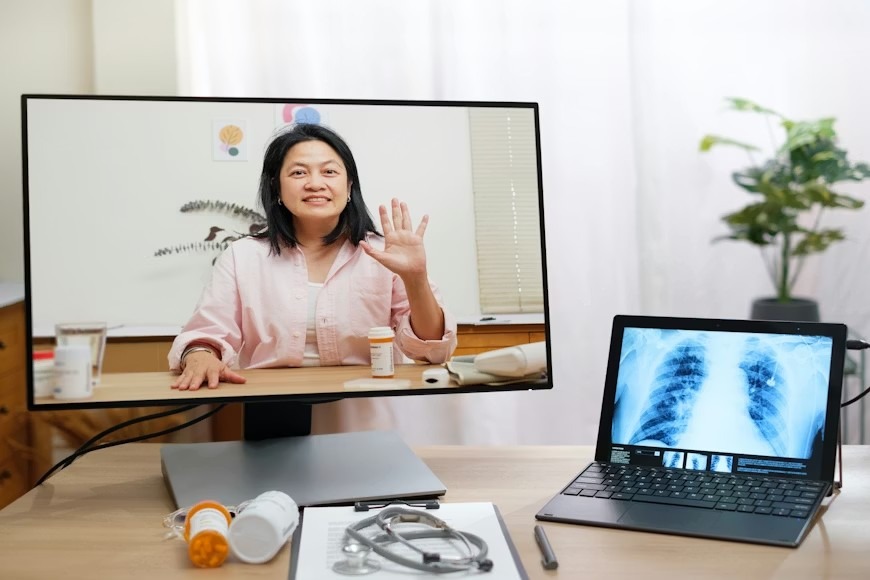
High-definition cameras with pan-tilt-zoom capabilities provide remote radiologists with comprehensive views of the procedure room, allowing visual assessment of both patients and equipment. These cameras should be positioned to capture the contrast injection site, the patient's face for monitoring reactions, and the technical control area.
Audio systems must deliver clear, two-way communication without delays or disruptions, enabling immediate verbal direction from the supervising radiologist. Many facilities implement hands-free communication systems so technologists can receive guidance while maintaining sterile technique or managing equipment.
Display monitors in the procedure room should show the supervising radiologist to the patient and staff, creating a sense of presence and facilitating direct communication. Some advanced implementations include multiple camera angles and automated switching based on procedure phase.
Network Infrastructure & Bandwidth Needs
Reliable connectivity forms the backbone of any virtual supervision program. Facilities must ensure sufficient bandwidth to support high-definition video streaming without compression artifacts that might obscure subtle clinical signs.
A minimum dedicated bandwidth of 5–10 Mbps is typically recommended for each virtual supervision connection, though requirements may vary based on specific equipment. Network latency should remain below 150ms to maintain the immediate response capabilities required for direct supervision.
Backup Systems & Redundancies
Given the critical nature of contrast supervision, redundant systems are essential to prevent workflow disruptions. Facilities should install backup power supplies for all communication equipment to ensure continuous operation during power fluctuations.
Secondary internet connections through different service providers or technologies (fiber/cellular) provide network redundancy in case the primary connection fails. Backup communication methods should be established and regularly tested, such as direct phone lines between the procedure room and the supervising radiologist.
Security & HIPAA Compliance Measures
Virtual contrast supervision systems must adhere to stringent security standards to protect patient information during transmission. All video and audio communications should utilize end-to-end encryption meeting or exceeding healthcare industry standards.
Access controls must restrict system usage to authorized personnel through multi-factor authentication and role-based permissions. Facilities must conduct regular security assessments of their virtual supervision infrastructure and maintain detailed audit logs of system access and usage.
The American College of Radiology (ACR) Guidelines for Safe Implementation

Qualified Personnel Requirements
According to ACR guidelines, virtual supervision should only be performed by qualified physicians with appropriate training in contrast administration and reaction management. These physicians must possess the same qualifications required for in-person supervision, including knowledge of contrast media properties, potential adverse effects, and emergency intervention protocols.
The remotely supervising physician must have immediate access to the patient's relevant medical records, including allergy history, renal function tests, and previous contrast reactions. On-site staff must include individuals trained in recognizing and initially managing contrast reactions, typically radiologic technologists with advanced certification in contrast procedures.
Emergency Response Protocols
Facilities must establish clear, detailed protocols for managing contrast reactions during virtual supervision. These protocols should specify the roles of both remote and on-site personnel, communication procedures during emergencies, and escalation pathways if additional assistance is needed.
ACR recommends that at least one person with Basic Life Support (BLS) certification be readily available on-site during all contrast procedures performed under virtual supervision. Medication and equipment must be immediately available in all rooms where contrast is administered, with regular checks to ensure everything remains in working order and up to date. Mock emergency drills should also be conducted regularly to test the effectiveness of these protocols and identify potential improvements.
These simulations should include scenarios where the virtual supervision technology fails during an emergency, forcing staff to follow backup procedures. The ACR emphasizes that the response time to contrast reactions should be equivalent to what would be expected with in-person supervision, which requires both technological reliability and well-trained on-site staff.
Documentation Standards
Comprehensive documentation is essential for facilities employing virtual contrast supervision. The ACR recommends maintaining detailed records of supervision arrangements, including the identity of the supervising physician for each procedure, the means of communication used, and verification that the physician was immediately available throughout the entire procedure.
Some facilities include information about the supervising radiologist's credentials and location to enhance transparency. All contrast reactions, regardless of severity, must be thoroughly documented with timestamps that demonstrate appropriate response times and interventions. These records are vital for quality improvement initiatives, accreditation reviews, and potential legal proceedings.
Partner with ContrastConnect for Expert Virtual Contrast Supervision

Effective January 1, 2026, virtual contrast supervision permanently satisfies CMS direct supervision requirements for contrast-enhanced imaging procedures when the required technical standards are met:
- HD pan-tilt-zoom cameras positioned to capture the contrast injection site, the patient's face for reaction monitoring, and the technical control area
- Clear two-way audio with hands-free capability for technologists
- Display monitors that show the supervising radiologist to the patient and staff
- Minimum dedicated bandwidth of 5 to 10 Mbps per connection with network latency below 150ms
- Quality of Service protocols that prioritize supervision traffic
- Redundant power and internet connections through different providers or technologies
- Backup communication methods, including direct phone lines
- End-to-end encrypted, HIPAA-compliant platforms with multi-factor authentication and detailed audit logs.
At ContrastConnect, we provide CMS-compliant virtual contrast supervision through qualified radiologists and a secure, HIPAA- and HITECH-compliant platform. We help imaging facilities maintain compliance, reduce canceled scans, extend operating hours, and scale services with confidence, backed by experience across 75,000+ monthly contrast exam hours and 130+ reactions treated monthly. Start your coverage assessment today.
Frequently Asked Questions (FAQs)
What is virtual contrast supervision?
Virtual contrast supervision enables qualified radiologists to remotely monitor contrast administration during imaging procedures via secure, real-time audio and video. This approach satisfies CMS direct supervision requirements while eliminating the need for physical presence, allowing facilities to expand coverage and improve patient access.
What technical infrastructure is required for virtual contrast supervision?
Facilities need HD cameras with pan-tilt-zoom capabilities, clear two-way audio systems, dedicated bandwidth of 5–10 Mbps minimum per connection, network latency below 150ms, redundant power and internet connections, and end-to-end encrypted communication platforms that meet HIPAA standards.
How are contrast reactions handled during virtual supervision?
When reactions occur, established emergency protocols activate immediately. Trained on-site personnel initiate interventions while maintaining continuous communication with the supervising radiologist, who directs specific treatments in real time. Facilities must maintain emergency medications, equipment, and staff on-site during all contrast procedures.
How can ContrastConnect help my facility with virtual contrast supervision?
ContrastConnect provides end-to-end CMS-compliant virtual supervision through qualified radiologists available on a scheduled or on-demand basis. Our platform includes comprehensive technologist training, audit-ready documentation, 24/7 physician hotlines, and dedicated support.
With 75,000+ contrast exam hours supervised monthly and 130+ reactions treated monthly, we deliver the clinical expertise and reliable imaging facilities needed to scale operations while maintaining compliance.
*Note: Information provided is for general guidance only and does not constitute medical, legal, or financial advice. Pricing estimates and regulatory requirements are current at the time of writing and subject to change. For personalized consultation on imaging center operations and virtual contrast supervision, contact ContrastConnect.
Trusted Nationwide


















.avif)




1,000,000
Contrast exams supervised annually
75,000+
Hours of supervision monthly
3,900+
Technologists certified
100s
Of imaging partners nationwide
130+
Contrast reactions treated monthly
100%
Requested hours covered
Connect with us.

