Imaging Center Compliance Without On-Call Radiologists

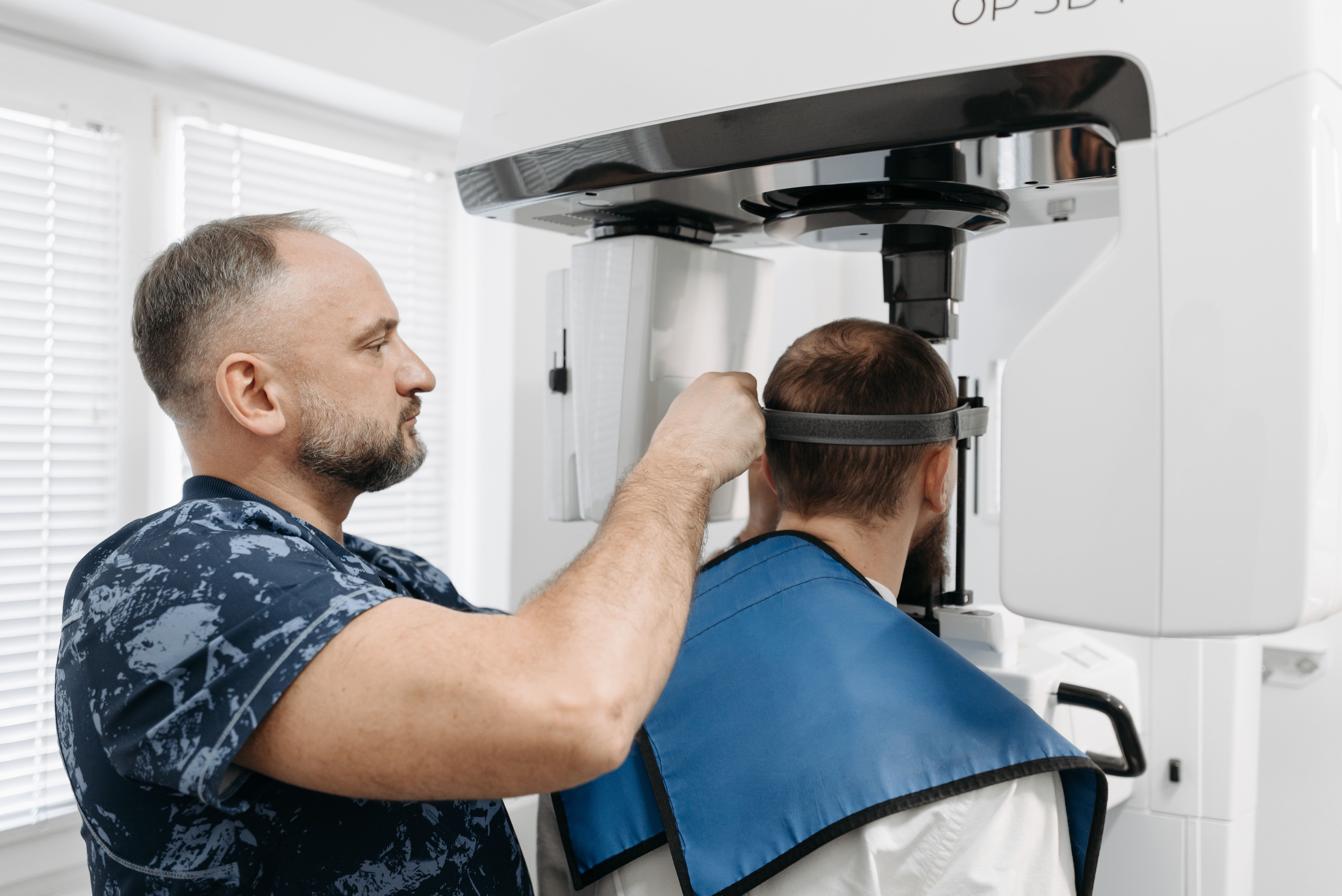
Many imaging centers operate without a radiologist physically on site for every hour they are open. That is not a compliance problem in itself—but it raises a fair question: how does a center meet its supervision and interpretation obligations when a physician isn’t in the building? The answer lies in remote coverage models that satisfy the underlying requirements rather than the physical presence that once fulfilled them. This article explains how.
Separate the Requirement from the Habit
It helps to distinguish what regulations actually require from how they have traditionally been met. The requirement is that a qualified physician provide interpretation and, for certain procedures, supervision—including being available to respond to an adverse contrast reaction. For decades the only practical way to meet that was to have a physician on site. Remote technology has separated the requirement from that habit: the obligation can now be met by a physician who is immediately available remotely, where the applicable rules permit.
Two Distinct Obligations
It is worth being precise about the two obligations a center must satisfy, because they are met by different models:
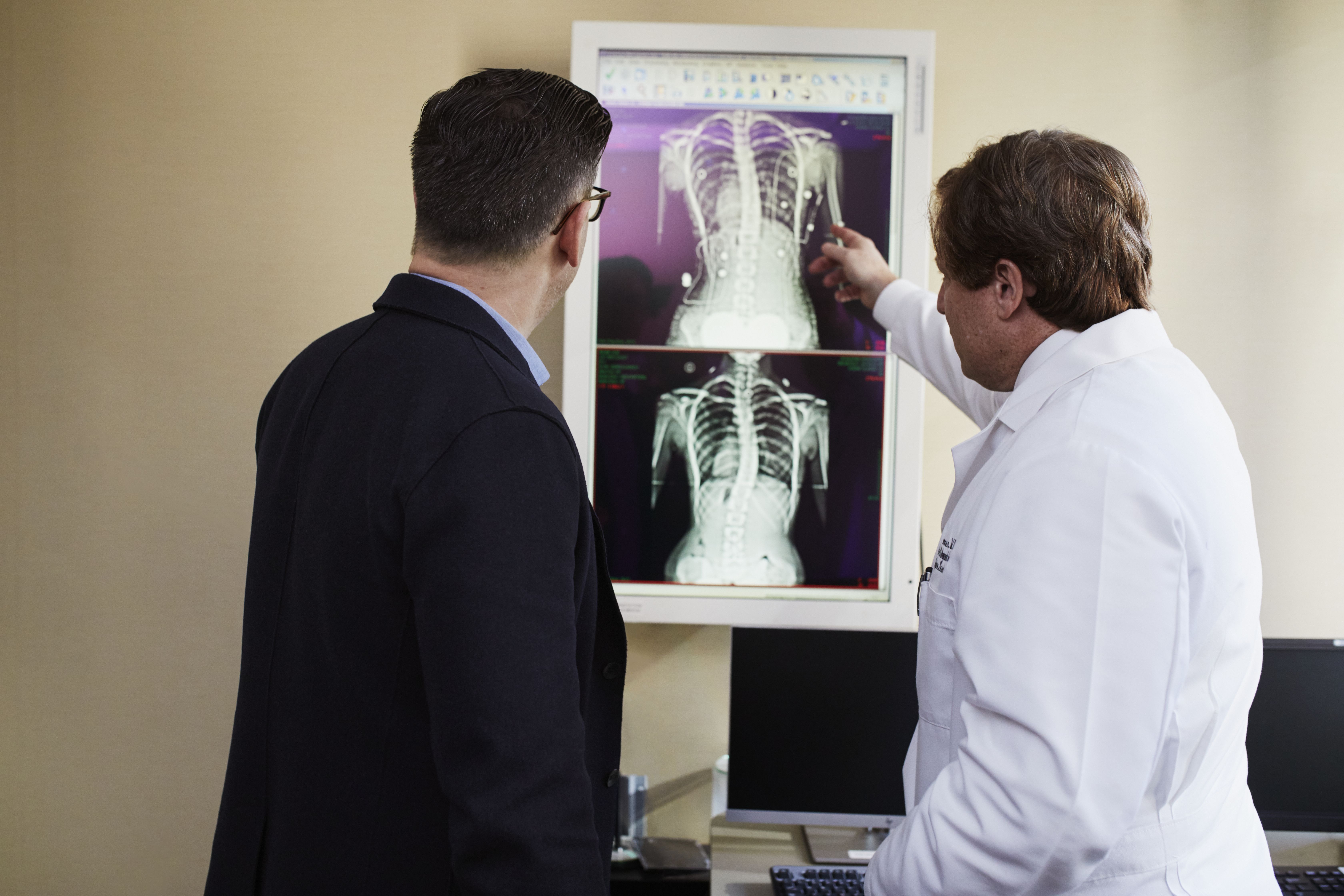
- Interpretation: Studies must be read and reported by a qualified radiologist. This is addressed by teleradiology—remote reading—which is well established and widely accepted.
- Supervision of contrast administration: Contrast-enhanced procedures require physician supervision so that someone qualified can respond to a reaction. This is addressed by virtual contrast supervision, where a physician provides real-time oversight remotely.
Conflating the two is a common source of confusion. A center can have excellent remote reading in place and still face a supervision gap that limits its contrast services—or vice versa.
What Remote Supervision Must Include to Be Compliant
Not all “remote” arrangements are equal. To meet supervision requirements, a compliant model generally needs:
- A qualified, appropriately licensed and credentialed physician responsible for the supervision.
- Real-time availability for the duration of the procedure—typically live audio/video, not asynchronous review.
- Secure, HIPAA-compliant connectivity protecting patient information and communication.
- Documentation demonstrating that supervision was provided as required.
- Alignment with the specific state’s rules, which is where arrangements most often succeed or fail.
The State-by-State Reality
Supervision requirements are not uniform across the country. Some states have explicitly updated their statutes to permit remote or virtual supervision of contrast administration; others have different standards or are still evolving. This means a compliance approach that works in one state cannot simply be assumed to work in another. A center operating in multiple states—or planning to expand—should confirm the current requirements for each jurisdiction rather than rely on a single national assumption. Because these rules change, periodic review is prudent.
Practical Steps for Centers Without On-Site Physicians
- Map your services against the two obligations above—identify where you need interpretation coverage versus supervision coverage.
- Confirm state requirements for every location you operate, specifically for remote supervision of contrast.
- Choose coverage models that meet the requirement, not just ones that are convenient—verify licensure, credentialing, real-time availability, and documentation.
- Document everything so compliance can be demonstrated, not just asserted.
How ContrastConnect Fits
ContrastConnect provides compliant, remotely delivered physician supervision of contrast administration—built around the requirements above: qualified physicians, real-time availability, secure connectivity, and documentation. For a center operating without an on-call radiologist on site, it is a way to keep contrast-enhanced imaging available and compliant. Paired with remote reading for interpretation, it lets a center meet both of its core obligations without maintaining on-site physician presence for every hour of operation.
Trusted Nationwide


















.avif)




1,000,000
Contrast exams supervised annually
75,000+
Hours of supervision monthly
4,100+
Technologists certified
100s
Of imaging partners nationwide
130+
Contrast reactions treated monthly
100%
Requested hours covered
Connect with us.

