















.avif)




Most states solve rural coverage by borrowing from a metro. West Virginia doesn’t have one to borrow from.
Charleston, the state’s largest city, is smaller than many suburbs elsewhere. There is no in-state market of a size that concentrates specialists and spills them outward, which means West Virginia facilities recruit against Pittsburgh, Columbus, and Washington rather than against each other — and generally lose.
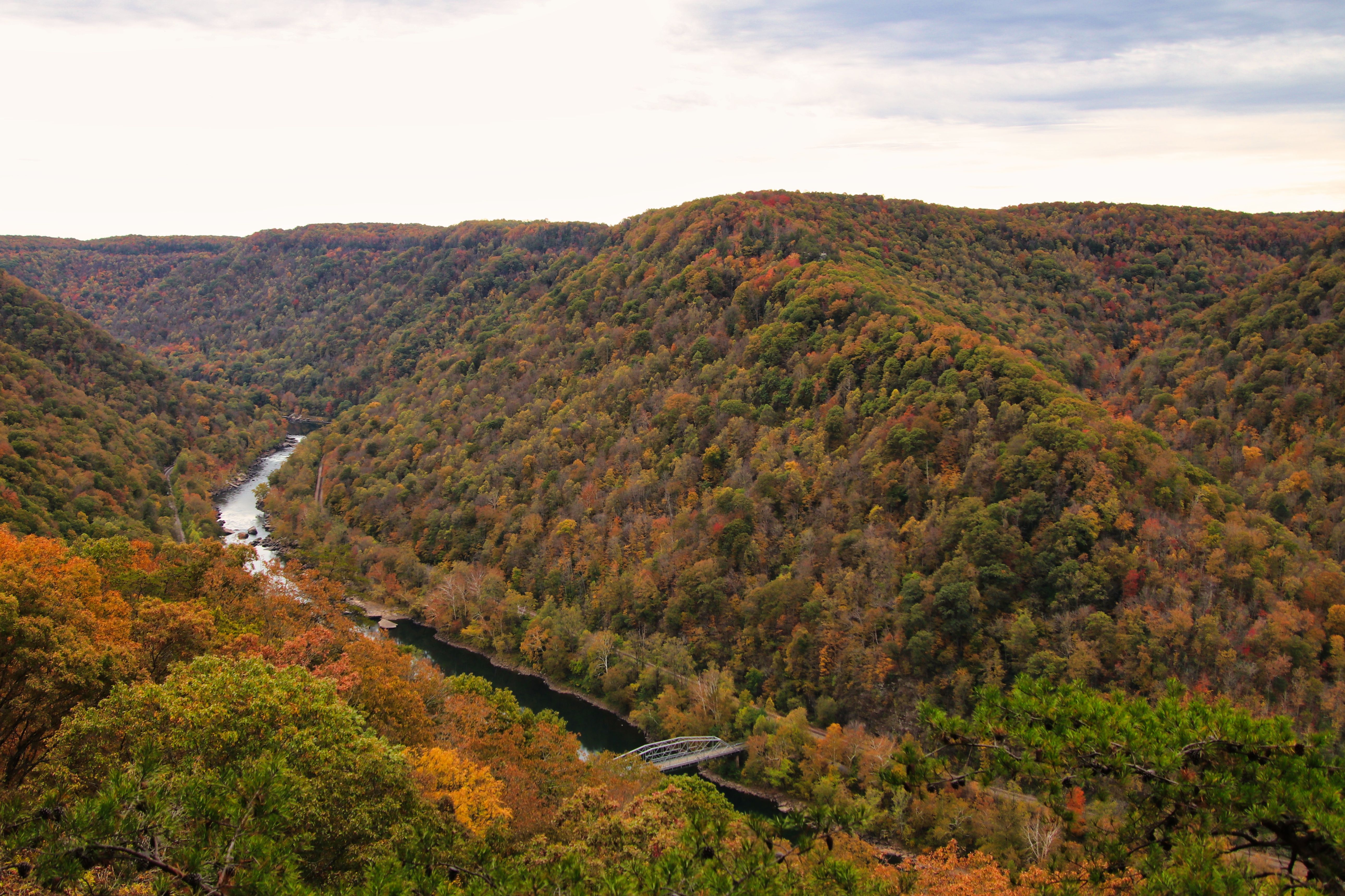
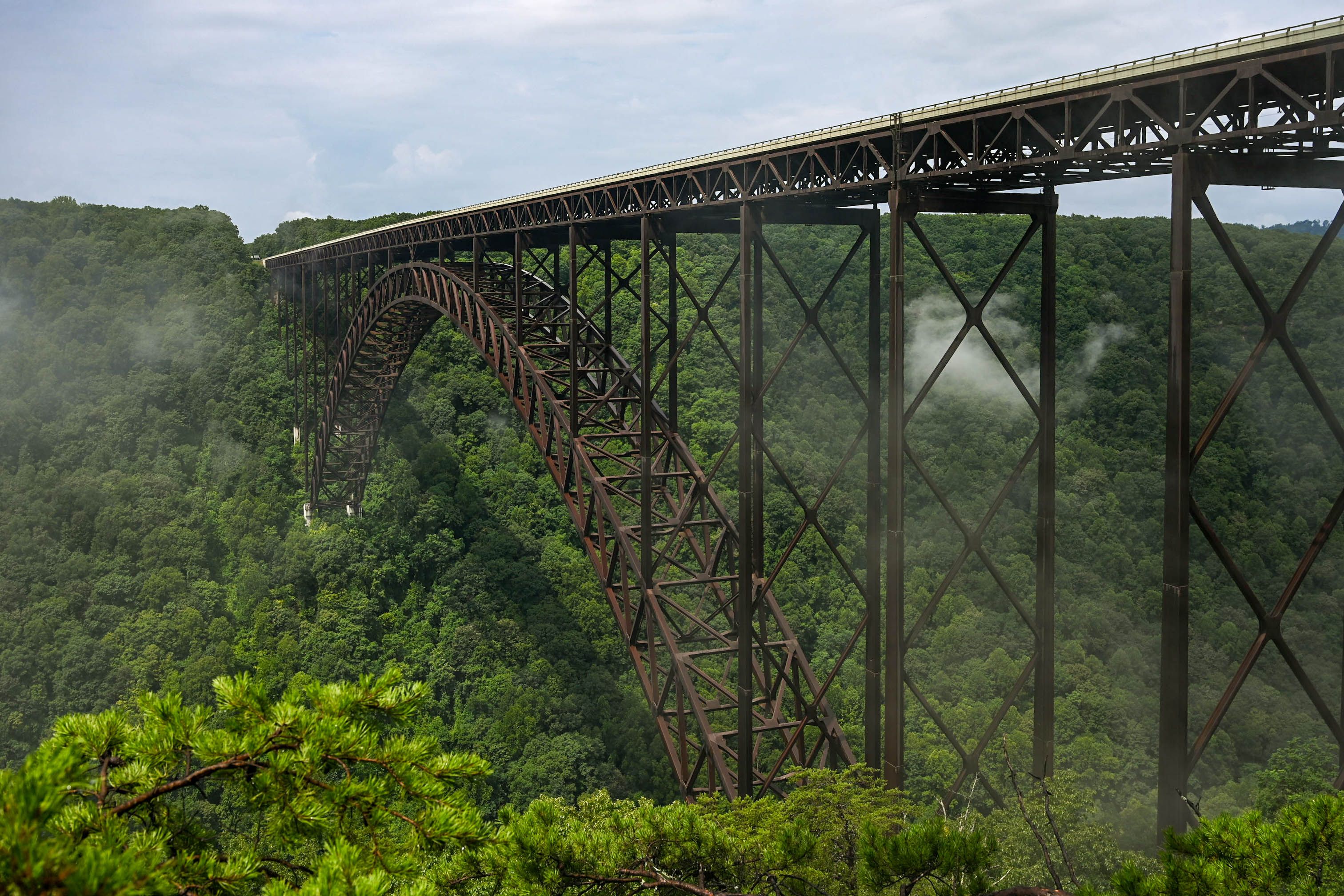
Then the terrain compounds it. The state is mountainous end to end, and a supervising physician covering two sites in the Potomac Highlands or the southern coalfields is managing switchback roads and winter weather, not a straight-line commute. Coverage arrangements that look workable on a map turn out not to be.
The result is a state where imaging centers are frequently well equipped and chronically under-supervised — running fewer contrast studies than their scanners and their patient demand would support.
Virtual contrast supervision doesn’t require a nearby metro or a passable road. The supervising physician is immediately available over a real-time connection from wherever they are.
ContrastConnect covers imaging centers across the Eastern Panhandle, the Northern Panhandle, the Metro Valley, North Central West Virginia, the Potomac Highlands, and the southern coalfields — including Charleston, Huntington, Morgantown, Parkersburg, Wheeling, Martinsburg, Fairmont, Beckley, Clarksburg, Lewisburg, and Bluefield.