















.avif)




Indiana’s coverage problem is distribution rather than distance.
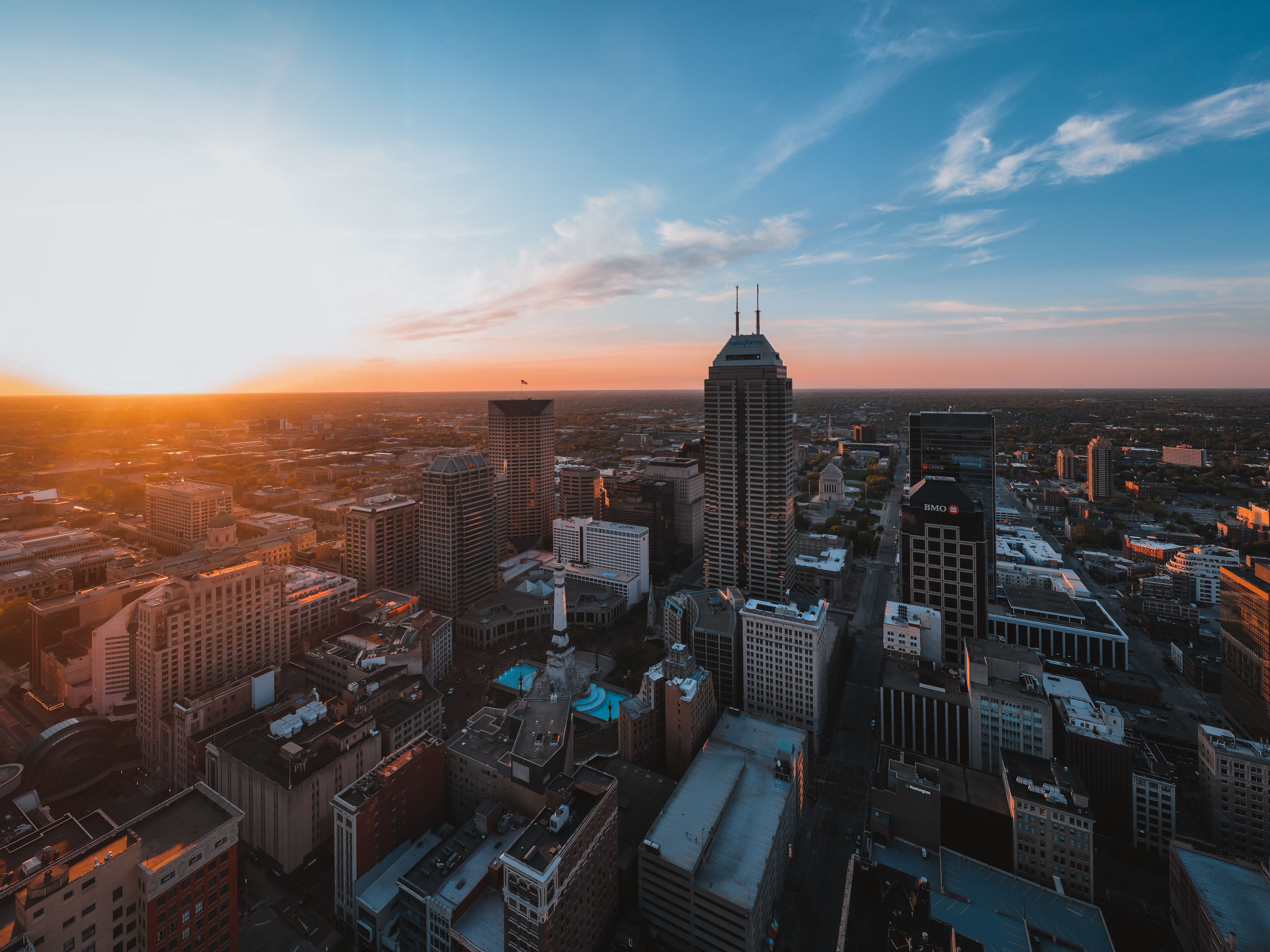
The state has a lot of mid-size markets — Fort Wayne, Evansville, South Bend, Lafayette, Terre Haute, Muncie — and only Indianapolis operates at a scale that concentrates subspecialty physicians. That’s a different shape of problem than a state with one metro and a vast rural remainder. Indiana has many centers that are neither big enough to employ a supervising physician full-time nor small enough to simply forgo contrast imaging.
They sit in the expensive middle. Volume justifies running contrast-enhanced studies, but not a dedicated physician, so coverage gets assembled from locums, part-time arrangements, and favors from a nearby group — each of which is fragile, and each of which costs more per covered hour than it looks like on paper.
Northwest Indiana adds its own wrinkle, sitting inside Chicago’s labor market while operating under Indiana’s rules.
Virtual contrast supervision fits that middle. Coverage priced to the hours a site actually runs contrast, rather than to a full-time salary or a locum day rate.
ContrastConnect covers imaging centers across Central Indiana, Northwest Indiana, Northeast Indiana, Southern Indiana, and the Wabash Valley — including Indianapolis, Fort Wayne, Evansville, South Bend, Carmel, Fishers, Bloomington, Hammond, Gary, Lafayette, Muncie, Terre Haute, and Kokomo.