Virtual Contrast Supervision Response Time: Reaction Management & Metrics Explained

Key takeaways
- Response time is the single most critical KPI in virtual contrast supervision, and it is measured in seconds, not minutes.
- Active engagement means the supervising radiologist is visually present, verbally communicating, and clinically directing the technologist.
- Five core metrics define a high-performing virtual contrast supervision program: response time, coverage rate, cancellation rate, CMS compliance rate, and technology uptime percentage.
- At ContrastConnect, we benchmark response times in the seconds range, helping imaging centers maintain safety standards without requiring an on-site radiologist for every contrast study.
What Does Response Time Mean in Virtual Contrast Supervision?
Response time in virtual contrast supervision is a multi-point measurement that captures the full timeline from the moment a potential reaction is identified to the moment a supervising radiologist clinically directs the response.
It involves precise timing, active engagement, and accurately logged entries.
Precise Timing
The clock starts the moment a technologist initiates contact with the supervising radiologist, which could be through a dedicated platform alert, a direct video call trigger, or a supervision request button within the virtual system.
It does not start when the radiologist notices a pending notification or when a call eventually connects. Precision here is non-negotiable. Any ambiguity in the start point creates room for inflated response time figures that misrepresent actual program performance.
Active Engagement
A supervising radiologist who joins a session but hasn't yet assessed the patient's condition, communicated with the technologist, or begun directing care has not completed the response.
Active engagement means the physician is visually present on screen, verbally communicating with the technologist, and providing real-time clinical direction.
Accurately Logged Entries
Accurate response time logging requires automated, timestamped records at each stage of the supervision workflow. Manual logging introduces human error and creates documentation gaps that can become compliance liabilities. A properly configured virtual supervision platform should capture all of the following automatically:
- The exact time the technologist initiates the supervision request.
- The time the supervising radiologist receives the alert.
- The time the radiologist joins the active session.
- The time verbal communication and clinical direction begin.
- The total elapsed time from initiation to active engagement.
Documentation must be completed in real time or immediately following the event, never reconstructed hours later. Reconstructed logs are clinically unreliable and a compliance red flag during CMS audits.
ContrastConnect: Virtual Contrast Supervision That Never Misses
Built by Radiologists | 75,000+ Monthly Contrast Exams | Trusted Nationwide

Built for Imaging Networks:
- Virtual Contrast Supervision: Radiologists provide immediate CMS-compliant supervision through a secure, HIPAA-compliant platform for outpatient facilities and hospital networks.
- Unmatched Experience: 130+ contrast reactions treated monthly with 3,700+ technologists certified.
The ContrastConnect Difference:
- ✓ Radiologist-owned with superior clinical expertise
- ✓ Always-on platform with guaranteed compliance
- ✓ Audit-ready documentation for CMS reviews
- ✓ Cost-efficient alternative to onsite staffing
Safety & Compliance You Trust:
Helping imaging centers reduce cancellations, extend hours, and scale operations without adding on-site radiologists. Response times measured in seconds.
The 5 Core Metrics Every Imaging Center Must Track
Response time doesn't exist in isolation. It's the most important metric, but a complete picture of virtual contrast supervision program health requires tracking five distinct KPIs.
1. Response Time
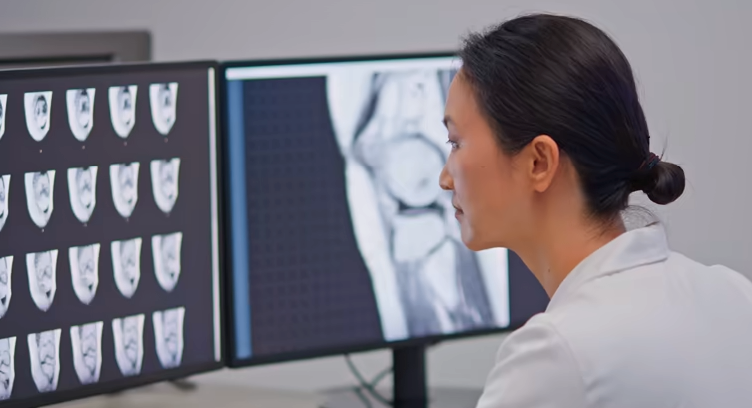
Response time is measured from the moment a technologist initiates a supervision request until the supervising radiologist is actively engaged and providing clinical direction. The benchmark should be set in seconds, not minutes.
Any program that cannot consistently demonstrate sub-60-second response times across all supervision sessions should be treated as a safety risk, not a minor operational gap.
2. Coverage Rate

Coverage rate measures the percentage of scheduled contrast study hours during which a qualified supervising radiologist was available and connected. A coverage rate below 100% indicates that your facility was either turning patients away, proceeding without proper supervision, or scrambling to find last-minute coverage.
This metric is the backbone of operational reliability, and it directly impacts revenue, patient throughput, and scheduling confidence for your imaging team.
3. Cancellation Rate
Cancellation rate tracks the percentage of scheduled contrast studies that were canceled or rescheduled specifically due to supervision unavailability. This metric is often underreported because facilities don't always connect individual cancellations to supervision gaps; they attribute them to scheduling conflicts or staffing issues without tracing the root cause.
Accurate cancellation tracking requires your scheduling system to flag supervision-related cancellations as a distinct category. A persistently elevated cancellation rate is one of the clearest signals that your current supervision model isn't meeting operational demand.
4. CMS Compliance Rate
CMS compliance rate measures the percentage of supervised contrast studies during which all regulatory requirements were met, including physician availability, real-time audio/video capability, documentation standards, and the supervising radiologist's immediate availability to intervene.
This metric should always be 100%. Any session that falls short of full compliance is not a near-miss and is a non-compliant study, carrying potential reimbursement and liability consequences.
At ContrastConnect, we help you stay compliant by providing a platform that meets all required security standards. Communication is HIPAA- and HITECH-compliant and secured end-to-end with SOC2-compliant encryption.
5. Technology Uptime Percentage
Technology uptime percentage measures the proportion of scheduled supervision hours during which the virtual platform was fully operational, including video feed quality, audio clarity, and connection latency within acceptable clinical thresholds.
Platform latency above 150 milliseconds creates a perceptible delay between what's happening in the imaging suite and what the supervising radiologist sees and hears on screen. That delay is clinically unacceptable when a contrast reaction is developing in real time.
When you choose ContrastConnect, you get all the equipment you need to kickstart your virtual contrast supervision program without disruption. We provide iPads mounted on rolling towers, scanners, and other equipment designed to keep your technology uptime within acceptable thresholds.
KPI Quick Reference: Virtual Contrast Supervision Program Metrics
Get CMS-Compliant Virtual Contrast Supervision at ContrastConnect

While most virtual supervision solutions were built for convenience, we built ContrastConnect for compliance and clinical safety first. We help imaging centers reduce study cancellations, extend scanning hours, and scale contrast operations without requiring an on-site radiologist for every session.
With us, your facility can achieve operational efficiency and regulatory defensibility because our workflows are built around safety, redundancy, and reliability. We log every supervision session with automated timestamps and measure response times in seconds, and our platform is designed to meet CMS direct supervision standards for hospital outpatient departments.
Start your coverage assessment with ContrastConnect today.
Frequently Asked Questions (FAQs)
What is the most important KPI for virtual contrast supervision?
Response time is the most important KPI in virtual contrast supervision. Every other metric, including coverage rate, cancellation rate, CMS compliance rate, and technology uptime, matters for operational and regulatory reasons. But response time is the only metric directly tied to what happens to a patient during an active contrast reaction.
What counts as an acceptable response time in virtual contrast supervision?
An acceptable response time is one measured in seconds, specifically, one that reflects what would be expected if the supervising radiologist were physically present in the facility. The ACR's equivalency standard requires virtual supervision to match in-person supervision, meaning the supervising physician must be able to provide real-time clinical direction within the clinically relevant window.
How often should virtual contrast supervision KPIs be reviewed?
Review response time per session and coverage rate weekly. CMS compliance rate requires a formal audit at a minimum of quarterly, though high-volume facilities benefit from monthly compliance reviews. Technology uptime should be reviewed monthly and immediately following any platform incident that occurred during an active supervision session.
How does virtual contrast supervision help facilities extend hours without adding on-site radiologists?
Virtual contrast supervision removes the geographic and scheduling constraints that make extended imaging hours operationally difficult for most facilities. With a properly structured virtual program like ContrastConnect, a supervising radiologist can cover multiple facilities across different time zones from a single location. This expands access without proportionally expanding cost or staffing requirements.
How quickly do radiologists at ContrastConnect respond during a reaction?
At ContrastConnect, if a reaction occurs, you will be connected with a physician via live audio and video within seconds. Each facility is assigned a dedicated supervising physician, with additional physicians on call to provide immediate backup and ensure no response is ever missed or delayed. With thousands of reactions managed without a single missed or delayed response, we have a proven track record of delivering safe and reliable supervision when it matters most.
*Note: Information provided is for general guidance only and does not constitute medical, legal, or financial advice. Pricing estimates and regulatory requirements are current at the time of writing and subject to change. For personalized consultation on imaging center operations and virtual contrast supervision, contact ContrastConnect.
Trusted Nationwide


















.avif)




1,000,000
Contrast exams supervised annually
75,000+
Hours of supervision monthly
4,100+
Technologists certified
100s
Of imaging partners nationwide
130+
Contrast reactions treated monthly
100%
Requested hours covered
Connect with us.

