Remote Contrast Coverage Vendor Switching: Transition Risks & Best Practices

Key Takeaways
- Switching remote contrast coverage vendors is one of the highest-risk operational moves an imaging facility can make because most disruptions happen during the transition window itself, not after it is complete.
- The four most common transition risks are uncovered supervision windows during the handoff period, loss of documented supervision history when the outgoing vendor's portal closes, technologist workflow disruption from unfamiliar systems, and credentialing or licensing delays that push back go-live dates.
- The most effective best practices for a low-risk transition include running both vendors in parallel during a two to four week overlap period, auditing 90 days of case volume data before cutover, and migrating EMR and PACS access in defined stages before revoking the old vendor's permissions.
- Every contrast administration during a vendor transition must be covered by a qualified supervising physician with audit-ready session records that meet both CMS and state-level documentation requirements, with no gaps allowed between the outgoing and incoming vendor.
- At ContrastConnect, we support vendor transitions with a structured onboarding process, dedicated supervising physicians connected via live audio and video within seconds, automatic audit-ready documentation for every session, and 24/7/365 backup coverage from the first day of your transition.
Most Vendor Switches Fail Before the First Exam Is Even Completed
Switching remote contrast coverage vendors without a structured plan creates immediate compliance exposure. The most common failure points are uncovered supervision windows during the handoff period, lost documentation history from the outgoing vendor, technologist workflow disruption, and credentialing delays that push back go-live dates.
Most of these risks can be managed with the right preparation. Running both vendors in parallel during an overlap period, auditing 90 days of case data before cutover, and completing staged EMR access migration before the old vendor steps back are the practices that consistently protect facilities from compliance gaps.
The sections below break down each transition risk and the specific steps to address it.
ContrastConnect: Virtual Contrast Supervision That Never Misses
Built by Radiologists | 75,000+ Monthly Contrast Exams | Trusted Nationwide

Built for Imaging Networks:
- Virtual Contrast Supervision: Radiologists provide immediate CMS-compliant supervision through a secure, HIPAA-compliant platform for outpatient facilities and hospital networks.
- Unmatched Experience: 130+ contrast reactions treated monthly with 3,700+ technologists certified.
The ContrastConnect Difference:
- ✓ Radiologist-owned with superior clinical expertise
- ✓ Always-on platform with guaranteed compliance
- ✓ Audit-ready documentation for CMS reviews
- ✓ Cost-efficient alternative to onsite staffing
Safety & Compliance You Trust:
Helping imaging centers reduce cancellations, extend hours, and scale operations without adding on-site radiologists. Response times measured in seconds.
The Biggest Transition Risks You Need to Plan For
Every remote contrast vendor transition carries risk, and the goal isn't to eliminate it entirely but to locate it precisely and build a plan around each exposure point. These are the four areas where transitions consistently break down:
Uncovered Windows During the Handoff Period
The handoff period (the days or weeks between when your old vendor steps back and your new vendor is fully operational) is the highest-risk window in the entire transition.
If the old vendor's contract ends on a Friday and the new vendor's systems aren't credentialed and tested until the following Wednesday, you have a gap. That gap creates a CMS compliance exposure for every contrast case run during that window without documented supervision coverage.
The fix is to never let the old vendor fully disengage until the new vendor has completed a supervised go-live with real cases, confirmed backup assignments, and working Electronic Medical Record (EMR) access.

Loss of Documented Supervision History
When a vendor relationship ends, facilities often discover that the supervision logs for all prior cases lived entirely in the vendor's system, and that access to those records doesn't automatically transfer.
Under the CMS 60-Day Overpayment Rule, providers are obligated to identify and return self-discovered overpayments going back up to six years. Recovery Audit Contractor (RAC) audits can look back up to three years from the date of claim submission.
If your outgoing vendor's documentation is locked behind a portal you no longer have access to, and an audit is triggered for a case from eight months ago, your facility has a documentation gap it cannot close.
Before any transition begins, request a full export of all supervision records in a format your team can store and access independently.
Technologist Workflow Disruption
When the vendor changes, the steps, contact method, portal, and escalation path change as well. Without deliberate re-training before go-live, technologists default to the old system's habits, and those habits don't work with the new vendor.
A technologist who can't quickly confirm remote coverage on a contrast case often improvises, creating undocumented supervision events that result in billing exposure and worsen compliance issues.
Credentialing & Licensing Delays
A remote radiologist cannot legally supervise contrast administration in your state until they hold an active, verified license for that state.
Some states issue licenses within two to three weeks for applicants with clean records and complete applications, while others take four to eight months even under normal conditions. If your new vendor hasn't started the credentialing process for your state before you've signed the contract, your go-live date is already in jeopardy.
Before finalizing any vendor agreement, request written confirmation of each radiologist's active licensure for your coverage blocks and confirm active licenses in writing before the contract is signed.
Best Practices for a Low-Risk Vendor Transition
Run Both Vendors in Parallel During the Overlap Period
The overlap period (typically two to four weeks, during which both the outgoing and incoming vendor are technically active) is your safety net. During this window, the new vendor handles an increasing share of live contrast cases, while the old vendor remains available as a confirmed fallback.
This lets your technologists build confidence with the new system under real conditions, surfaces any integration failures before the old vendor is gone, and ensures that no case runs without a documented supervisor in place.
Audit 90 Days of Case Data Before Cutover
Before you reconfigure a single system or notify your technologists of any change, pull 90 days of contrast case data from your RIS. This is the baseline you need to build a functional coverage schedule with your new vendor.
Break the volume down by hour, modality, and day of week, and look specifically for the indicators that your current vendor has already been failing you. These data points are your transition justification and your new vendor's performance baseline, and you must document them formally before the switch.
Rebuild Coverage Blocks Around Actual Peak Windows
Once you have the 90-day case volume broken down by hour and day, rebuild your coverage schedule from scratch rather than porting over the old vendor's block structure.
The goal is to have confirmed remote coverage in place before the first contrast case of each peak window opens. Map your top three highest-volume windows by day of week, assign named radiologists to those blocks first, and build outward from there.
Migrate EMR Access & RIS/PACS Permissions in Stages
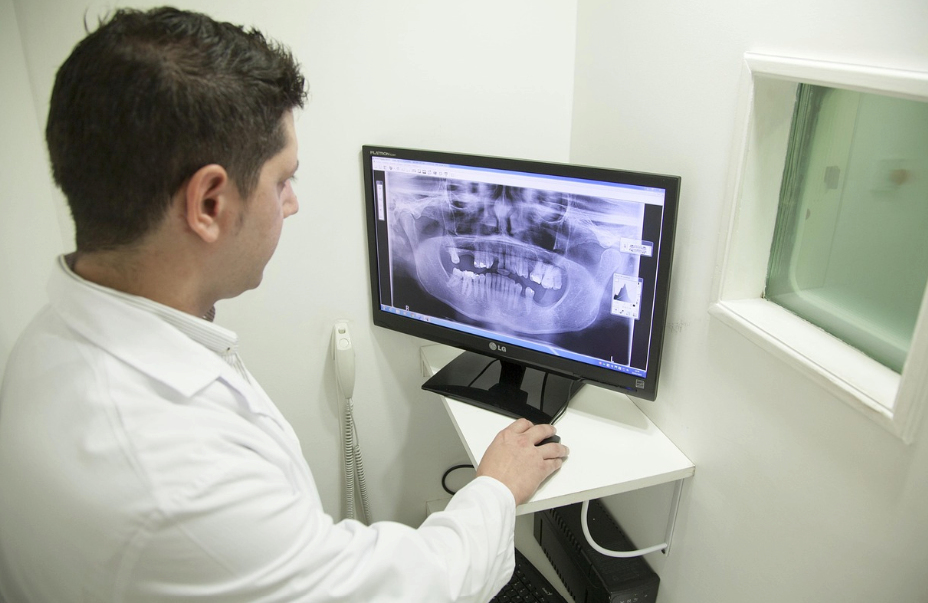
Staged migration prevents the two most common technical failures in a vendor transition: discovering a PACS access problem during a live contrast case, and revoking old vendor access before the new vendor's permissions are fully functional.
Here’s a quick guide for staged migration documentation:
- Read access only: Grant the new vendor's radiologists read access to your EMR and RIS two weeks before go-live so they can review patient histories, contrast protocols, and scheduling patterns without any live case pressure.
- PACS web-viewer testing: Run a full diagnostic-quality PACS access test from the actual devices and network environments the remote radiologists will use during live coverage, not from an office on your campus.
- Supervised live case access: Have the new vendor's radiologists supervise a small number of live contrast cases while the old vendor remains active as a confirmed backup, validating that every system works under real clinical load.
- Full permissions cutover: Only after Stages 1 through 3 are complete and documented, revoke the old vendor's system access and transfer full permissions to the new vendor.
Confirm Backup Radiologist Assignments Before Go-Live
Every coverage block in your new vendor's schedule needs a named backup radiologist who has been explicitly confirmed for that slot and holds an active state license. The radiologist should also have verified access to your PACS and EMR before the block goes live.
Your new vendor should provide a written backup assignment roster before the go-live date. If they can't produce one, the go-live date moves.
Set a Hard Cutover Date With a Tested Rollback Plan
Pick a specific cutover date, communicate it to all stakeholders, including technologists, radiologists, schedulers, IT, and compliance, and build every preceding milestone backward from that date.
Before the cutover date, define the specific conditions that would trigger a rollback to the old vendor, confirm that the old vendor's access hasn't been fully revoked, and assign a named decision-maker with authority to trigger a rollback without committee approval.
Get Reliable Remote Contrast Supervision With ContrastConnect

Switching remote contrast coverage vendors introduces real compliance risk, but most of it is preventable. Facilities that plan around the core failure points, run a structured overlap period, and complete staged EMR migration can transition without gaps in documented supervision.
ContrastConnect was built to support exactly this kind of transition. Our onboarding process follows the same compliance checkpoints covered in this guide, with dedicated physicians connected within seconds and audit-ready documentation generated for every session. If you want to see how we can support your facility's transition, start your coverage assessment.
Start your coverage assessment now →
Frequently Asked Questions (FAQs)
How long does a remote contrast coverage vendor transition typically take?
For cloud-based virtual supervision platforms, a well-structured transition typically takes four to eight weeks from signed contract to full cutover. However, the timeline is almost always determined by how long state credentialing takes for the new vendor's radiologists and how quickly your IT team can complete PACS and EMR access testing.
Can a facility run two remote contrast vendors at the same time during a transition?
Yes, and it's strongly recommended for the overlap period. Each vendor covers defined blocks, each supervision event is documented by the assigned vendor for that block, and the facility retains a complete, uninterrupted supervision log through the entire transition. Coverage blocks must be explicitly assigned, not shared or overlapping in undefined ways, so there is never ambiguity about which vendor is the active supervising entity for any given case.
What happens to supervision records when switching vendors?
Supervision records generated by your outgoing vendor are typically stored in that vendor's proprietary system. When the vendor relationship ends, your default access to those records often ends with it, unless you've explicitly negotiated otherwise in the contract. Before issuing a termination notice to your current vendor, request a full structured data export of all supervision records in a facility-accessible format or a structured export that can be loaded into your own document management system.
What makes ContrastConnect different from hiring independent contractors?
Unlike hiring independent contractors, where onboarding, credentialing, and compliance tracking fall to your facility's administrative team, ContrastConnect handles it all through a single, all-in-one platform built for contrast supervision coverage. We manage the operational complexity end to end, so your team is never burdened by the coordination and compliance overhead of managing individual contractors across multiple shifts and locations.
*Note: Information provided is for general guidance only and does not constitute medical, legal, or financial advice. Pricing estimates and regulatory requirements are current at the time of writing and subject to change. For personalized consultation on imaging center operations and virtual contrast supervision, contact ContrastConnect.
Trusted Nationwide






























.avif)




1,000,000
Contrast exams supervised annually
75,000+
Hours of supervision monthly
4,100+
Technologists certified
500+
Imaging partners nationwide
130+
Contrast reactions treated monthly
100%
Requested hours covered
Connect with us.

