Imaging Center Expansion Planning: Contrast Coverage, Compliance & Revenue Risk


Key Takeaways
- Contrast coverage, not scanner count, decides how many hours a site can bill. Weekday daytime supervision runs about 40 contrast hours a week, while evening and weekend coverage reaches 60 to 70 on the same equipment.
- The Centers for Medicare and Medicaid Services (CMS) made virtual direct supervision permanent for 2026, so a physician can stay immediately available by real-time audio and video instead of being onsite.
- Federal rules are only one layer. State practice acts, technologist scope limits, and accreditation surveys add their own requirements, and the supervising physician needs an active license in each state where a site sits.
- Every canceled contrast study loses the scanner slot, the technologist hour, and often the referral, while an onsite radiologist costs more than $350,000 a year before benefits, which is what slows onsite-based expansion.
- ContrastConnect supervises contrast exams remotely across multi-site networks on a shared subscription, so new locations open with full evening and weekend hours and standardized, audit-ready documentation.
Why Supervision Sets the Pace of Expansion
Most expansion plans budget for scanners, buildings, and staff, then realize the real bottleneck is contrast supervision. A contrast-capable CT or MRI suite produces revenue only during supervised hours, so a site opening with weekday daytime coverage runs contrast studies for roughly 40 hours per week. The same site with evening and weekend coverage runs 60 to 70 hours on the same capital investment.
The catch is that those extra hours depend on physician availability, and physicians are getting harder to find. Research from the Harvey L. Neiman Health Policy Institute projects radiologist supply growing about 25.7% between 2023 and 2055, while imaging utilization grows 16.9% to 26.9% over the same period, depending on modality.
Remote supervision removes that availability constraint. ContrastConnect supervises contrast exams virtually under the current CMS rule, so a new location opens with full contrast hours from week one instead of rationing slots around one local physician's schedule.
ContrastConnect: Virtual Contrast Supervision That Never Misses
Built by Radiologists | 75,000+ Hours Monthly Contrast Exams | Trusted Nationwide

Built for Imaging Centers:
- Virtual Contrast Supervision: Radiologists provide immediate CMS-compliant supervision through a secure, HIPAA-compliant platform for outpatient imaging facilities.
- Unmatched Experience: 130+ contrast reactions treated monthly with 3,900+ technologists certified.
The ContrastConnect Difference:
- ✓ Radiologist-owned with superior clinical expertise
- ✓ Always-on platform with guaranteed compliance
- ✓ Audit-ready documentation for CMS reviews
- ✓ Cost-efficient alternative to onsite staffing
Safety & Compliance You Trust:
Helping imaging centers reduce cancellations, extend hours, and scale operations without adding on-site radiologists. Response times measured in seconds.
Understanding Contrast Coverage In Expansion Planning
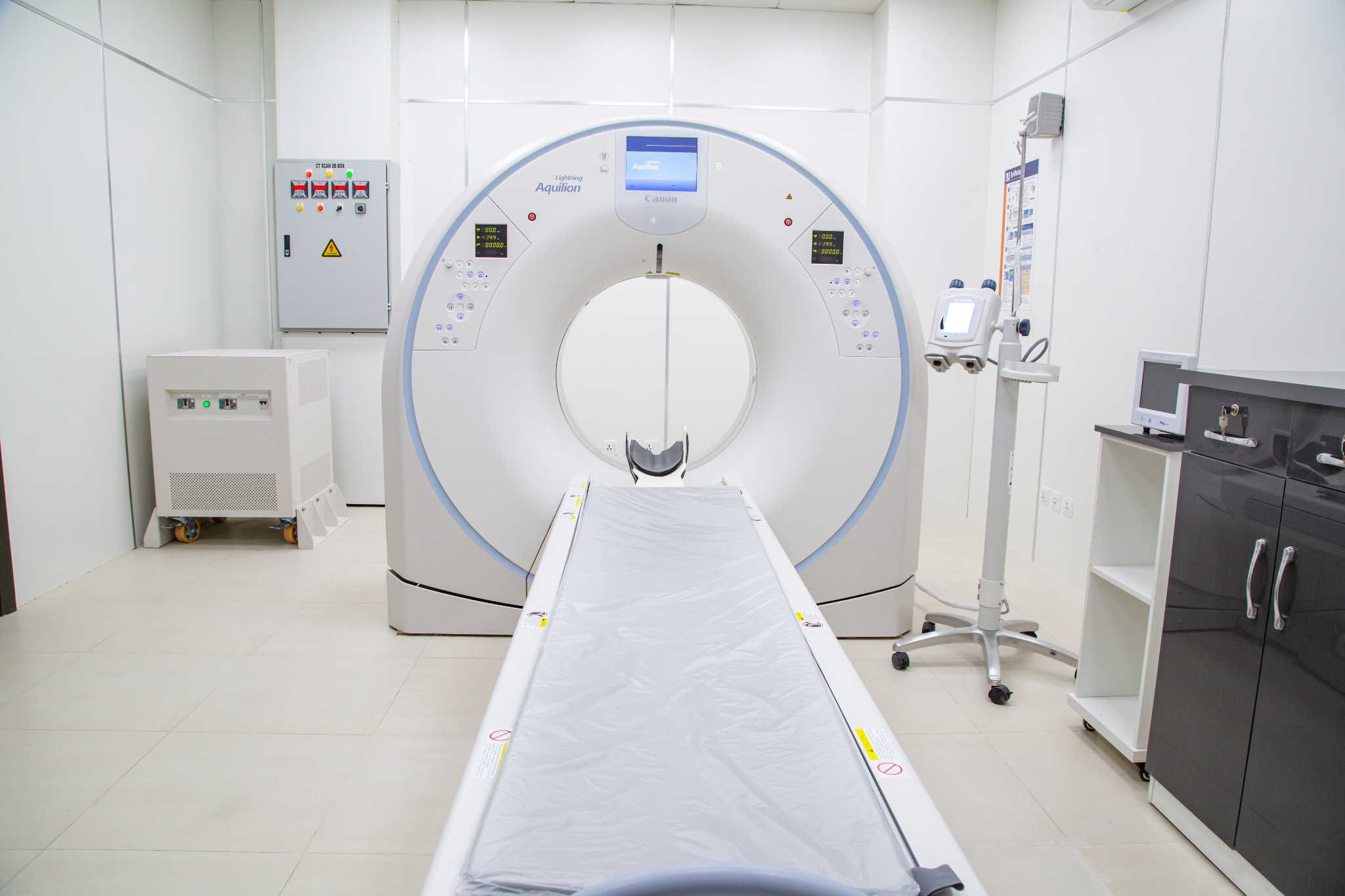
Contrast coverage is the arrangement that puts a qualified supervising physician behind every contrast study a site runs. Four models are commonly used across multi-site imaging networks, and they differ less in clinical quality than in cost behavior and how quickly a network can add locations.
Employed Onsite Radiologist
An employed onsite radiologist gives a location full control of its own schedule and carries a six-figure salary plus benefits at every site. Coverage ends when the shift ends, so evenings, weekends, and holidays either go uncovered or require a second hire. Expansion speed is tied to recruiting timelines, which in most markets run months rather than weeks.
Locum Tenens Coverage
Locum tenens coverage fills gaps without a permanent commitment. The hourly rate is higher, the spend is variable, and credentialing adds lead time before the first shift. It works as gap coverage. It does not work as the base layer of an expansion plan.
Shared Radiologist Across Sites
Sharing one radiologist across several sites lowers cost per location, but loads travel time into the schedule. Coverage becomes fragmented and partial, and it degrades once sites sit outside a small radius. Documentation practice also tends to vary from site to site.
Virtual Contrast Supervision
Virtual supervision removes both the travel and the per-site hire. ContrastConnect covers contrast exams remotely across a network on a subscription shared between locations, so hours extend into evenings, weekends, and holidays; new sites activate without a new hire; and documentation lands in one standardized, audit-ready format.
Compliance Requirements for New Contrast Sites
What CMS Counts as Direct Supervision
Contrast administration in outpatient imaging requires direct supervision. That standard historically meant a physician physically present in the office suite. In the CY 2026 Physician Fee Schedule, CMS permanently adopted a definition of direct supervision that includes virtual presence through real-time audio and video communications technology.
Two conditions apply. Audio-only contact does not satisfy the requirement. The supervising physician must remain immediately available throughout the service. Services carrying 010 or 090 global surgery indicators remain excluded.
The rule changes the unit of coverage in an expansion model. A supervising physician is no longer tied to one building, and coverage can be pooled across a region.
State Rules & Accreditation Checks
Federal payment policy is one layer. State medical practice acts, technologist scope rules, and facility licensure requirements form a second. A handful of states still impose stricter physical presence expectations than CMS, and others are actively moving legislation to align with the federal standard: Ohio HB 479 is one to watch for operators planning sites in that market. A facility in a state that has not yet aligned may need an onsite arrangement or an exemption, which is a question to settle during site selection rather than after signing a lease.
Accreditation forms a third layer. Accrediting bodies review supervision protocols, reaction management policies, and documentation during the survey. Expansion sites need written protocols, contact pathways, and incident documentation in place before the first contrast exam.
Revenue Risks to Weigh Before Expanding
Canceled & Deferred Contrast Exams
A canceled contrast study costs more than one reimbursement. It costs the scanner slot, the technologist hour, and frequently the referral relationship. Contrast-enhanced CT of the abdomen and pelvis is one of the highest-volume codes in outpatient imaging, and Medicare pays it in the low hundreds of dollars nationally, with commercial contracts negotiated above that baseline.
A handful of weekly cancellations across a 20-site or 200-site network compounds into a material annual figure, and referral loss compounds separately, since ordering physicians redirect patients to facilities that cancel and reschedule less often.
Fixed Cost of Onsite Coverage
The coverage that prevents those cancellations carries its own cost. The Bureau of Labor Statistics puts the annual mean wage for radiologists above $350,000 in its Occupational Employment and Wage Statistics program, before benefits, malpractice, and recruitment costs.
Locum coverage lowers the commitment and raises the hourly rate, with credentialing lead time measured in weeks. Both paths attach a high fixed cost to each location, most of it spent on availability rather than interpretation volume.
Idle Scanner Hours
A site that cannot supervise contrast after 5 p.m. still pays the lease and the equipment note on those hours. Capital is deployed, and capacity is unbillable. That combination of lost studies, unbilled capacity, and fixed coverage cost is why expansion models built on onsite supervision slow after the first few openings.

How Virtual Supervision Lowers These Risks
Virtual supervision works on all three risks at once. It keeps contrast slots open into evenings and weekends, so fewer studies get canceled, and fewer referrals slip away to faster competitors.
It replaces a six-figure per-site salary with coverage shared across locations, and imaging centers working with ContrastConnect, for example, see up to 25% more revenue at up to 75% lower coverage costs. Because a scanner can run whenever a remote radiologist is available, the after-hours capacity that used to sit idle starts earning against the lease it already carries.
Settling Contrast Coverage With ContrastConnect Before Expansion Begins

Coverage costs far less to settle before a lease is signed than after a scanner is installed. Sites that open with full contrast hours reach break-even faster than sites rationing slots around physician availability, and current supervision rules allow that from week one.
At ContrastConnect, we supervise contrast exams remotely for multi-site imaging networks, so a new location scans from opening day without a local hire and the documentation holds up under CMS review. Book a coverage assessment with ContrastConnect while your next sites are still in planning.
Frequently Asked Questions (FAQs)
What happens if the video connection fails during a contrast exam?
Coverage agreements should define a fallback pathway before the first scan. Common arrangements include a redundant network path, a secondary device at the console, and a direct voice line to the supervising physician. Facilities typically pause new contrast injections until the connection is restored and record the interruption in the exam log.
Who carries responsibility if a contrast reaction occurs under remote supervision?
Responsibility is allocated in the coverage contract and in facility policy. The supervising physician directs clinical management. On-site staff administers treatment under that direction. Both roles must appear in the written protocol, and the incident record should document the time of contact, the instructions given, and the outcome.
How many locations can one supervising physician cover at the same time?
There is no fixed federal cap. The practical limit is the immediate availability standard, since a physician managing a reaction at one site cannot simultaneously supervise elsewhere. Coverage ratios usually depend on scan volume, modality mix, and redundancy within the physician pool rather than site count alone.
Is virtual contrast supervision permitted in my state?
Most states permit it, and CMS's 2026 rule has accelerated alignment in the ones that lag. A few still require physical presence or allow virtual supervision only under an exemption, and the supervising radiologist must be actively licensed in the state where the facility sits. Because the answer is site-specific, expansion planning should confirm status by market before signing a lease. ContrastConnect provides state-specific guidance during onboarding and offers onsite coverage in states that do not yet permit virtual supervision.
How does ContrastConnect support a multi-site rollout?
We onboard locations in parallel rather than sequentially, so a network opening several sites in one quarter does not queue behind a single implementation. Our team handles platform setup, technologist training on the escalation workflow, and state-specific compliance guidance for each market, and coverage activates in step with equipment installation.
*Note: Information provided is for general guidance only and does not constitute medical, legal, or financial advice. Pricing estimates and regulatory requirements are current at the time of writing and subject to change. For personalized consultation on imaging center operations and virtual contrast supervision, contact ContrastConnect.
Trusted Nationwide































.avif)




1,000,000
Contrast exams supervised annually
75,000+
Hours of supervision monthly
4,100+
Technologists certified
500+
Imaging partners nationwide
130+
Contrast reactions treated monthly
100%
Requested hours covered
Connect with us.

