CMS “Immediate Availability” Definition Explained: Meaning, Distance & Coverage Requirements (2026 Update)


Key Takeaways
- CMS has permanently changed the definition of "immediate availability" to include real-time, two-way audio/visual communication technology for direct supervision requirements, eliminating physical proximity requirements that historically required physicians to be on-site.
- The new definition applies primarily to "incident to" services and most diagnostic tests, and explicitly excludes audio-only communication technologies like phone calls, voice messages, or asynchronous communication methods such as recorded videos or email.
- Virtual supervision removes geographic restrictions on where the supervising physician can be located, though state medical boards and other regulatory bodies may impose separate licensing requirements based on where services are delivered.
- Proper technical capabilities, including reliable connectivity, high-quality video and audio transmission, and secure HIPAA-compliant platforms, are important for practices to remain compliant with the updated definition, with technical failures effectively rendering the physician unavailable for supervision.
- ContrastConnect provides a CMS- and HIPAA-compliant virtual contrast supervision platform with qualified radiologists supervising 75,000+ contrast exam hours monthly and treating 130+ reactions monthly.
What Does CMS "Immediate Availability" Actually Mean?
The Centers for Medicare and Medicaid Services (CMS) has transformed healthcare delivery by permanently updating its definition of "immediate availability" for direct supervision requirements. This regulatory change, which significantly affects how physicians supervise clinical staff, marks a major shift from pre-pandemic policies that relied on physical presence to more flexible virtual supervision models.
Prior to recent changes, CMS defined "immediate availability" as requiring the physical presence of the supervising physician or qualified healthcare professional on-site. This meant supervisors needed to be physically present in the same location where "incident to" services were being performed by clinical staff. The requirement ensured that physicians could intervene quickly if complications arose during patient care.
ContrastConnect helps imaging facilities meet CMS immediate availability requirements with virtual contrast supervision delivered through a secure, HIPAA- and HITECH-compliant, SOC 2-certified platform featuring continuous radiologist availability, end-to-end encryption, and audit-ready documentation.
ContrastConnect: Virtual Contrast Supervision That Never Misses
Built by Radiologists | 75,000+ Hours Monthly Contrast Exams | Trusted Nationwide

Built for Imaging Networks:
- Virtual Contrast Supervision: Radiologists provide immediate CMS-compliant supervision through a secure, HIPAA-compliant platform for outpatient facilities and hospital networks.
- Unmatched Experience: 130+ contrast reactions treated monthly with 3,900+ technologists certified.
The ContrastConnect Difference:
- ✓ Radiologist-owned with superior clinical expertise
- ✓ Always-on platform with guaranteed compliance
- ✓ Audit-ready documentation for CMS reviews
- ✓ Cost-efficient alternative to onsite staffing
Safety & Compliance You Trust:
Helping imaging centers reduce cancellations, extend hours, and scale operations without adding on-site radiologists. Response times measured in seconds.
The New Definition of "Immediate Availability" for Direct Supervision

Real-Time Audio/Visual Communication
Under the updated CMS regulations, "immediate availability" now permanently includes supervision provided through real-time audio and visual interactive telecommunications technology.
This means physicians can provide direct supervision remotely while maintaining the ability to intervene if necessary. The policy change has received broad support across the healthcare industry, particularly for its impact on access and operational flexibility.
Asynchronous communication methods such as recorded videos, email exchanges, or delayed messaging do not satisfy the "immediate availability" requirement under the new definition. The supervising physician must be able to respond in real-time to any situations that arise during service delivery.
Audio-Only Communication Limitations
While the definition has expanded to include virtual presence, CMS has explicitly excluded audio-only communication from qualifying as "immediately available" for direct supervision purposes.
Phone calls, voice messages, or other audio-only communication methods do not meet the standard required for direct supervision of "incident to" services. This limitation emphasizes that visual assessment remains a critical component of effective supervision.
Geographic Restrictions & Considerations
Unlike traditional telehealth services, which often come with geographic restrictions, the new "immediate availability" definition does not impose specific geographic limitations on where the supervising physician can be located.
This means physicians could potentially provide supervision from across town or even from another state, assuming they have the proper licensure and credentials for the jurisdiction where services are being delivered.
However, practitioners should be aware that while CMS doesn't specify geographic limitations for supervision, state medical boards and other regulatory bodies may have additional requirements regarding physician location and licensing.
Technical Requirements for Communication Systems
While physical distance constraints have been removed, technical requirements for communication systems have been introduced in their place.
The technology used must enable real-time, synchronous audio and visual communication between the supervising physician and clinical staff. The system must be sufficiently robust to allow the physician to assess the situation visually, communicate clearly with staff and patients, and intervene when necessary.
Healthcare organizations implementing virtual supervision must ensure their telecommunications systems meet these requirements with reliable connectivity, high-quality video and audio transmission, and secure, HIPAA-compliant platforms.
Technical failures that prevent real-time communication would effectively render the physician unavailable for supervision purposes, potentially creating compliance issues for services provided during system outages.
Physical Proximity Distance Requirements
Under the permanent policy change, the supervising physician's physical location is no longer restricted to the same facility where services are delivered. This represents a complete departure from historical interpretations that required physicians to be physically present within the office suite or department where services were furnished.
This removal of proximity requirements reduces a significant burden on healthcare providers, particularly in underserved areas where physician shortages create access challenges. By removing the physical presence requirement, CMS has enabled more efficient allocation of physician resources while maintaining supervision standards through virtual technologies.
Which Services Qualify Under the New Definition?
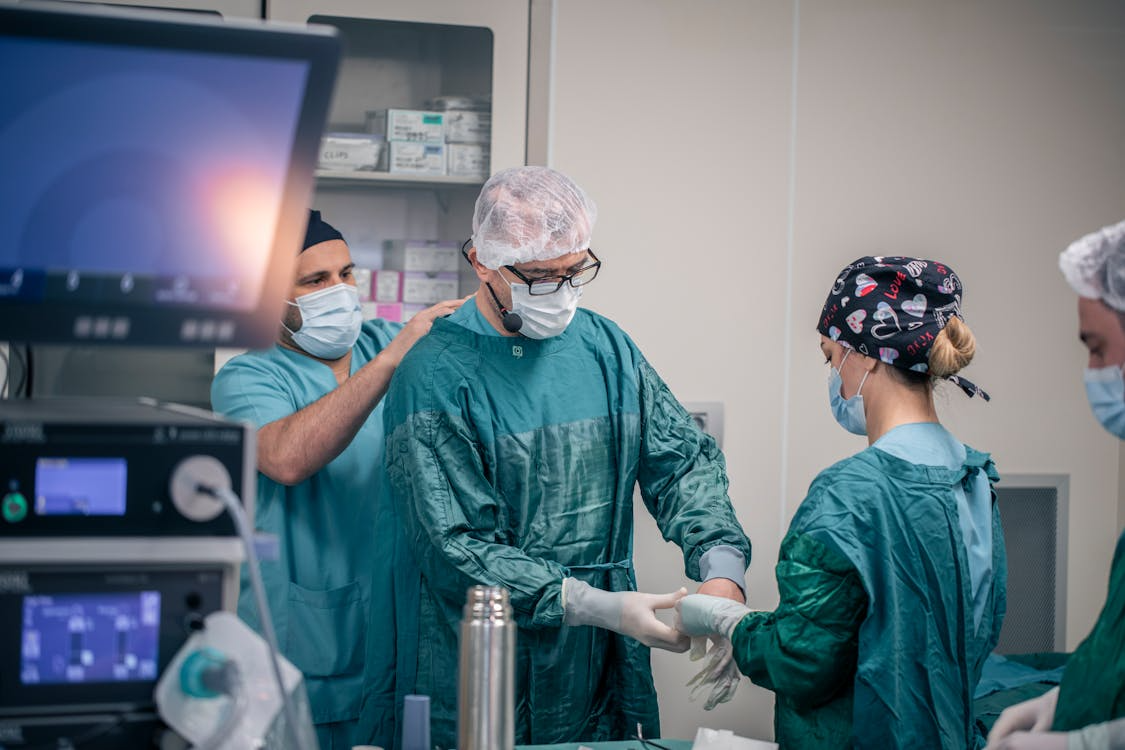
Most services billed "incident to" a physician's service now qualify for virtual supervision under the new definition. These include routine services such as injection administration, wound care, and various therapeutic procedures performed by clinical staff within their scope of practice. The flexibility applies broadly across service types, representing a significant expansion of virtual supervision capabilities.
For billing purposes, these services must still meet all other "incident to" requirements, including being part of the physician's normal course of treatment and following an initial direct service by the physician. The only change is the method by which direct supervision can be provided.
The American College of Allergy, Asthma & Immunology (ACAAI) has specifically highlighted that the permanent policy change positively impacts allergy services, which frequently require direct supervision. Allergy testing, immunotherapy administration, and other specialized allergy services can now be supervised virtually, enabling more efficient resource allocation in allergy practices.
This development is particularly beneficial for practices serving multiple locations or rural areas where allergist shortages have created access barriers.
How These Changes Affect Different Practice Settings
Rural Health Clinics (RHCs)
Rural Health Clinics stand to gain significantly from the updated "immediate availability" definition. RHCs have historically struggled with physician recruitment and maintaining sufficient on-site supervision to meet Medicare requirements.
The new virtual supervision allowance enables a single physician to provide oversight across multiple clinic locations, addressing persistent physician shortages while maintaining compliance. This change also makes it easier to recruit part-time physician supervisors who can provide virtual oversight without travel burdens.
Federally Qualified Health Centers (FQHCs)
Federally Qualified Health Centers (FQHCs) operating in medically underserved areas can now implement supervision models that maximize physician efficiency while maintaining required oversight. Virtual supervision enables these safety-net providers to distribute physician expertise more effectively across their networks, potentially improving appointment availability and reducing wait times.
However, FQHCs must carefully navigate the intersection of Medicare requirements with Health Resources and Services Administration (HRSA) guidelines, which may have separate supervision stipulations.
Traditional Practice Settings
Traditional private practices and hospital outpatient departments gain workflow flexibility and productivity improvements under the new definition.
Larger group practices may implement centralized virtual supervision hubs where supervising physicians monitor multiple service areas simultaneously, improving resource utilization and potentially reducing overhead costs while expanding patient access.

Achieve Immediate Availability with ContrastConnect
For imaging centers performing contrast-enhanced studies, meeting immediate availability requirements means having qualified physicians accessible within seconds when patients need supervision during contrast administration.
ContrastConnect was purpose-built to deliver exactly this capability. Our secure, HIPAA-compliant virtual platform connects your facility with accredited radiologists who provide real-time oversight for contrast procedures, ensuring full CMS and ACR compliance. Our team supervises more than 75,000 contrast-enhanced exam hours monthly and manages 130+ reactions monthly. Whether you're operating a single imaging center or managing a multi-site network, we guarantee immediate availability, with response times measured in seconds, not minutes. Contact us to learn how our virtual supervision platform can eliminate coverage gaps, reduce canceled procedures, and support your facility's growth.
Frequently Asked Questions (FAQs)
Can smartphones be used to provide "immediately available" supervision?
Yes, smartphones can be used for virtual supervision provided they support real-time, two-way audio and video communication through a secure, HIPAA-compliant application. The device must have sufficient camera quality, microphone sensitivity, and screen size to effectively observe procedures and communicate with clinical staff.
However, organizations should consider whether smartphone limitations may affect the quality of supervision compared with dedicated telehealth equipment, particularly for complex procedures that require detailed visual assessment.
What happens if there's a technical failure during virtual supervision?
If a technical failure interrupts virtual supervision, the supervising physician is no longer considered "immediately available" under CMS guidelines. Services requiring direct supervision should be paused until the connection is restored or an alternative supervision arrangement is established.
Organizations should develop written protocols for technical failures, including backup communication methods, escalation procedures, and documentation requirements for interrupted services.
Do I need special documentation when supervising via telecommunication technology?
Yes, documentation should specifically note that supervision was provided virtually through real-time audio/visual technology in compliance with CMS requirements. Records should identify the supervising physician, confirm their real-time availability throughout the service, document the technology platform used, and note any guidance provided.
This documentation is crucial for establishing compliance during potential audits and should be incorporated into standard documentation templates for services provided under virtual supervision.
Can I supervise multiple locations simultaneously under the new definition?
Yes, supervising physicians can provide virtual supervision to multiple locations simultaneously, provided they maintain the capacity to immediately engage with each location through real-time audio/visual technology.
However, practices should carefully consider the practical limitations of simultaneous supervision, as the physician must be able to provide undivided attention when needed at any supervised location. Organizations should develop clear policies regarding the maximum number of simultaneous supervision points based on service complexity and risk factors.
Does virtual supervision meet CMS requirements for contrast-enhanced imaging procedures?
Yes, virtual supervision fully meets CMS "immediate availability" requirements for contrast-enhanced imaging procedures, including CT and MRI with contrast. The supervising physician must maintain real-time audio/visual communication capability throughout contrast administration and be able to respond immediately if adverse reactions occur.
ContrastConnect specializes in providing CMS-compliant virtual contrast supervision through a secure, HIPAA-compliant platform with qualified radiologists. This specialized experience ensures imaging facilities maintain regulatory compliance while eliminating the need for on-site physician staffing.
*Note: Information provided is for general guidance only and does not constitute medical, legal, or financial advice. Pricing estimates and regulatory requirements are current at the time of writing and subject to change. For personalized consultation on imaging center operations and virtual contrast supervision, contact ContrastConnect.
Trusted Nationwide































.avif)




1,000,000
Contrast exams supervised annually
75,000+
Hours of supervision monthly
4,100+
Technologists certified
500+
Imaging partners nationwide
130+
Contrast reactions treated monthly
100%
Requested hours covered
Connect with us.

