















.avif)




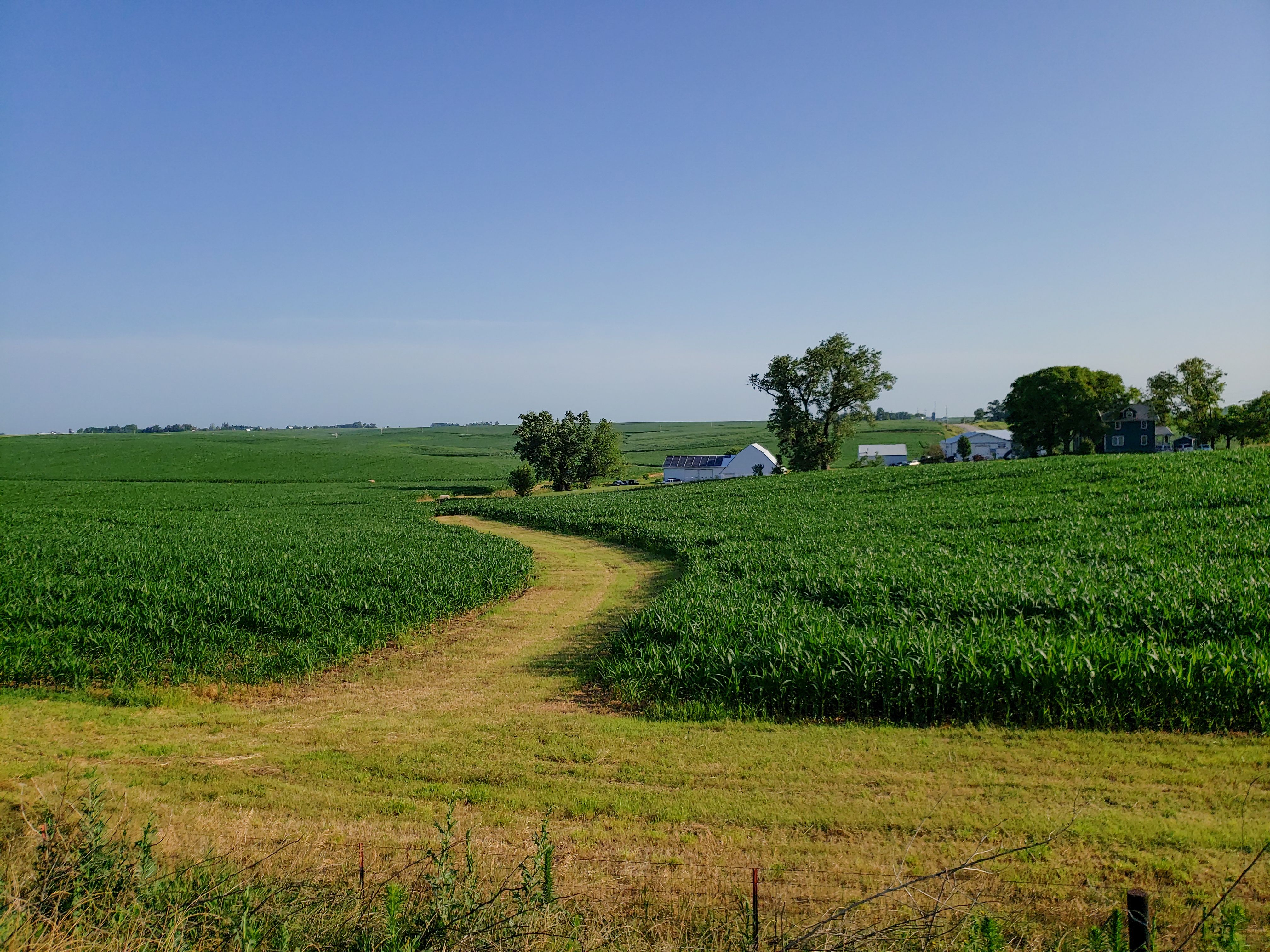
Iowa’s imaging landscape is dominated by small facilities, and that changes what a coverage solution has to look like.
The state has a large number of critical access hospitals and independent rural centers — sites with capable CT, real community demand, and a contrast caseload measured in sessions per week rather than per day. For those facilities, the supervision requirement is a structural problem rather than a scheduling one. A supervising physician is a full-time cost against a part-time need, and no amount of efficient scheduling closes that gap.
Des Moines, Cedar Rapids, Iowa City, and the Quad Cities have the conventional version of the problem. But they aren’t where most of the state’s imaging access lives.
The practical consequence is that contrast-enhanced studies get consolidated to larger sites, and patients in Ottumwa, Mason City, or Spencer travel for imaging their local hospital is equipped to perform.
Virtual contrast supervision is priced to coverage hours rather than to a position, which is the only structure that works at critical access scale.
ContrastConnect covers imaging centers across Central Iowa, Eastern Iowa and the Quad Cities, Siouxland, Northeast Iowa, and southern Iowa — including Des Moines, Cedar Rapids, Davenport, Sioux City, Iowa City, Waterloo, Council Bluffs, Ames, Dubuque, West Des Moines, Mason City, and Ottumwa.