















.avif)




Idaho’s two problems pull in opposite directions.
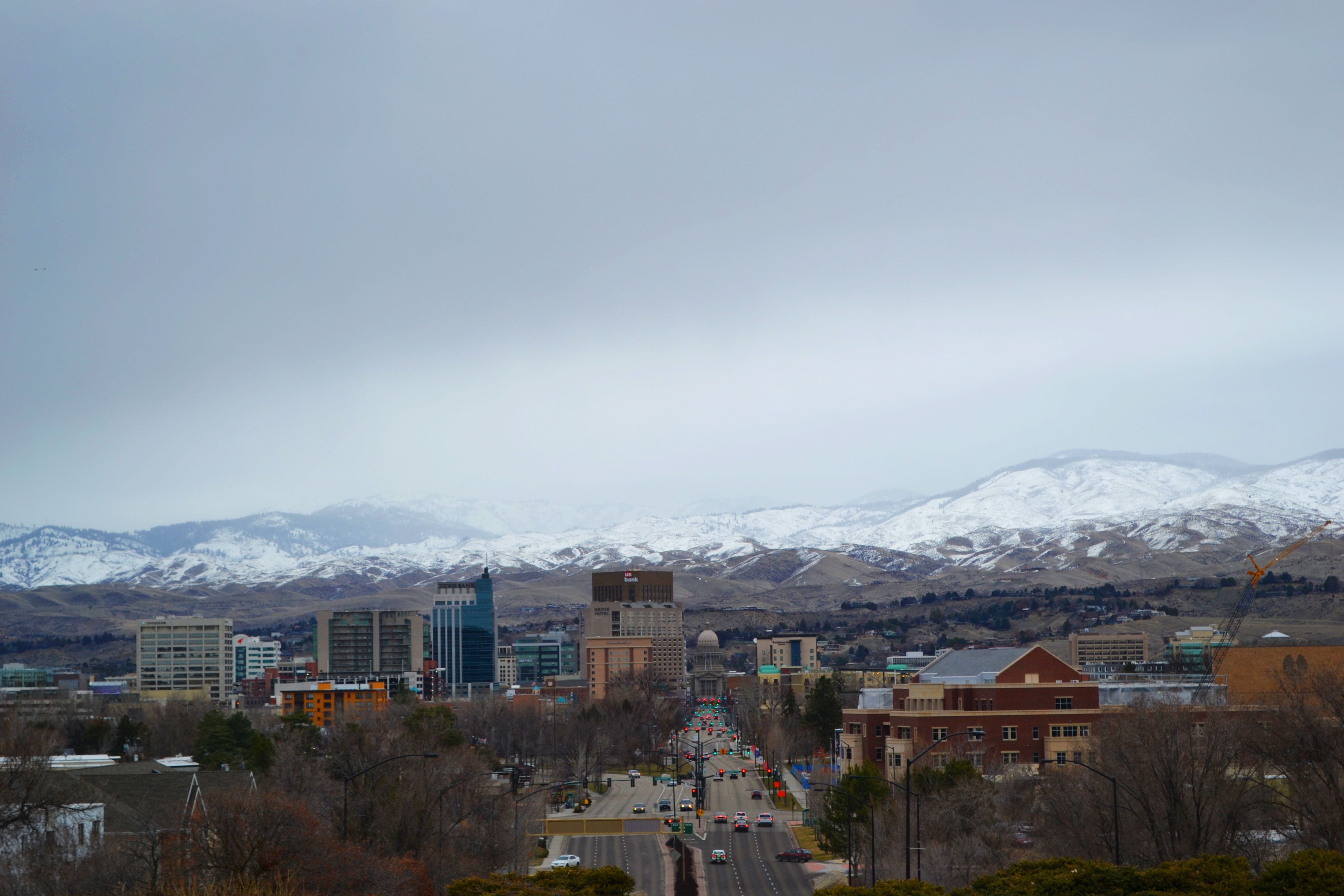
The Treasure Valley has been among the fastest-growing metro areas in the country. Boise, Meridian, Nampa, and Caldwell are absorbing new residents quickly, and imaging demand has followed — but physician supply hasn’t kept pace with population, so centers there are running higher contrast volume against a bench that was sized for a smaller state.
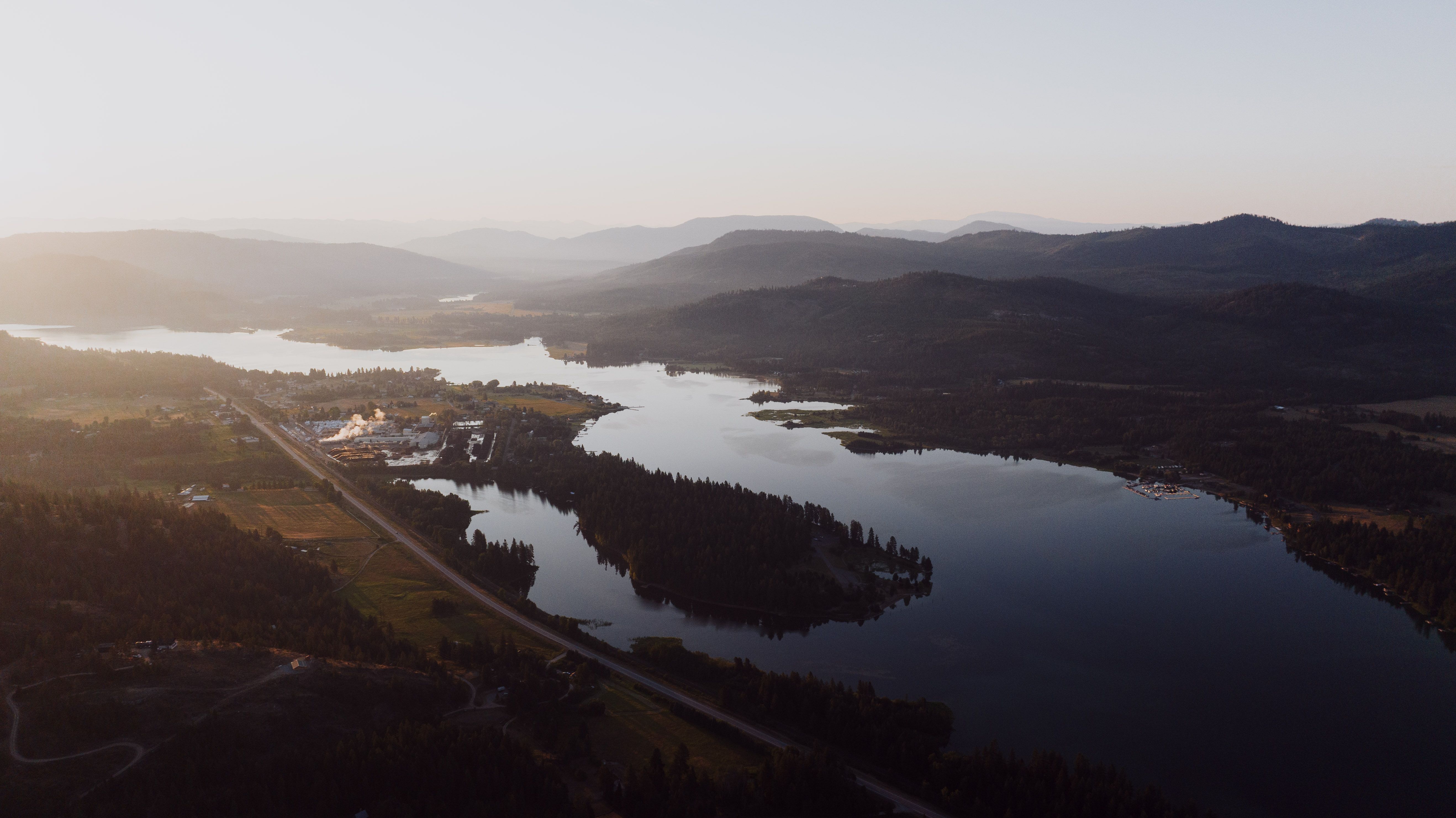
North Idaho has the opposite situation. The Panhandle is separated from southern Idaho by mountain wilderness with no direct route, which makes Coeur d’Alene and Sandpoint functionally part of the Spokane market rather than Boise’s. A statewide coverage arrangement isn’t practical when half the state can’t reach the other half without leaving it.
Eastern Idaho and the Magic Valley sit in their own orbits again, anchored by Idaho Falls and Twin Falls.
So Idaho is not one market with a rural remainder. It’s several markets with limited connection, one of which is growing faster than it can staff.
Virtual contrast supervision doesn’t depend on any of those connections existing.
ContrastConnect covers imaging centers across the Treasure Valley, North Idaho, eastern Idaho, the Magic Valley, and central Idaho — including Boise, Meridian, Nampa, Idaho Falls, Pocatello, Caldwell, Coeur d’Alene, Twin Falls, Lewiston, Post Falls, Rexburg, Moscow, and Sandpoint.