















.avif)




Arizona has two coverage problems, and the urban one is easy to underestimate.
The Valley of the Sun spans more than a hundred miles of continuous development. A physician nominally covering three Phoenix-area sites is crossing a metro larger than some states, in traffic. “Nearby” on a Valley map can mean forty-five minutes each way, which is not what immediately available is supposed to mean. Sprawl produces the same practical gap that rural distance does, without looking like it on paper.
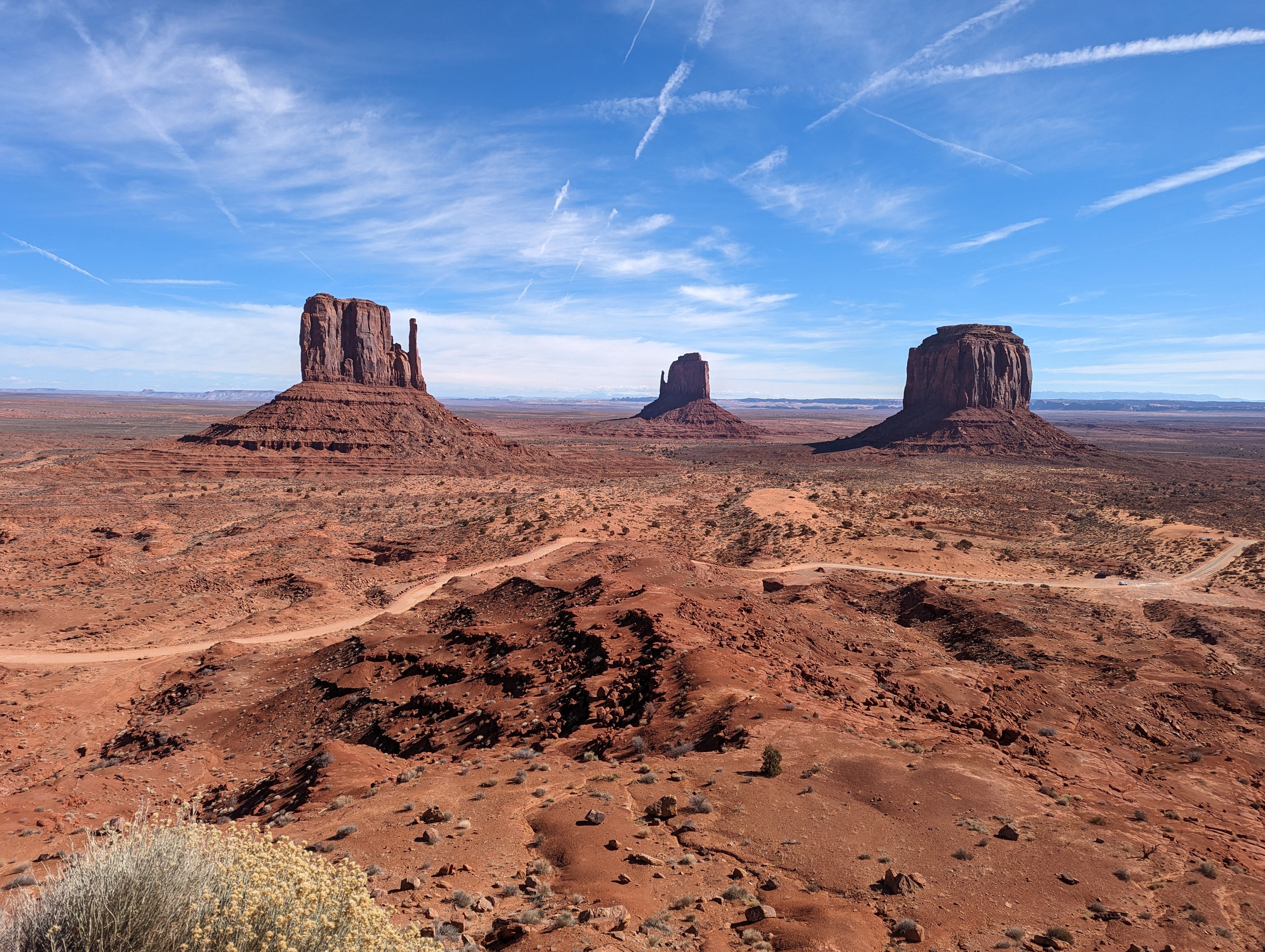
Outside the Valley, the ordinary version applies. Northern Arizona, the Colorado River communities, and the White Mountains cover enormous areas with thin clinical staffing, and facilities there have limited prospects of recruiting a supervising physician at any price.
Layered on top is a seasonal one — winter visitors raise Valley and Southern Arizona volume for several months, then it falls away.
Virtual contrast supervision addresses all three, because availability stops being a function of drive time, distance, or headcount sized to peak season.
ContrastConnect covers imaging centers across the Valley of the Sun, Southern Arizona, Northern Arizona, the Colorado River communities, and the White Mountains — including Phoenix, Tucson, Mesa, Chandler, Scottsdale, Glendale, Gilbert, Tempe, Peoria, Surprise, Yuma, Flagstaff, Prescott, and Lake Havasu City.