















.avif)




Alaska is the case that makes the supervision requirement’s assumptions visible.
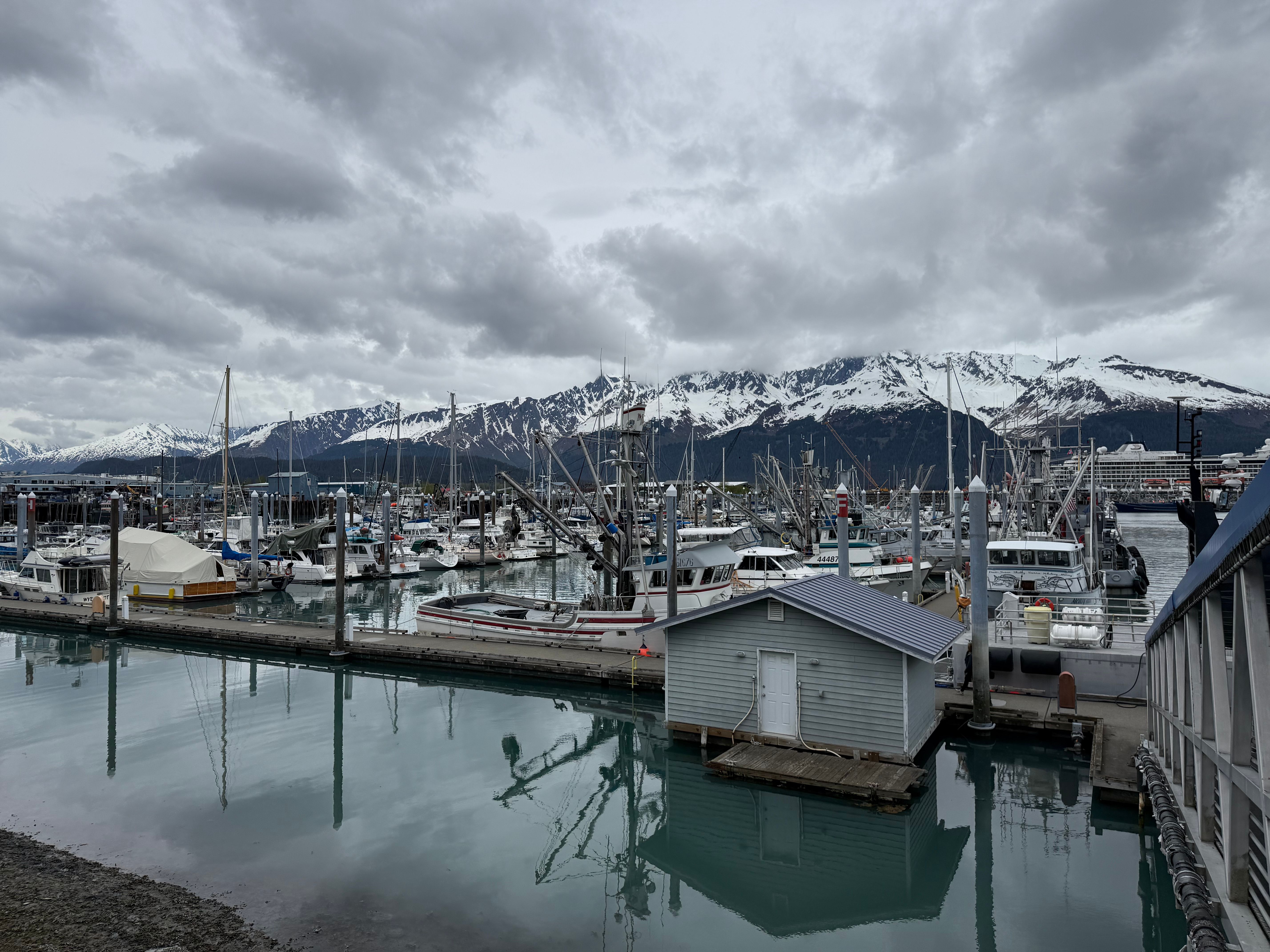
Every rule about a physician being immediately available is written for places connected by roads. Much of Alaska isn’t. A substantial number of communities — including regional hubs serving large areas — have no road connection to anywhere else, and the only way a physician reaches one is by air, on a schedule that weather decides.
That turns on-site supervision from an expensive option into an unreliable one. A contracted physician covering a facility in Bethel, Nome, or Kodiak cannot be immediately available in any practical sense from outside it, and the local population may not support a resident specialist.
Even the road-connected parts are unusual. Anchorage, Fairbanks, and the Mat-Su Valley are separated by distances that would cross several states elsewhere, and Southeast Alaska’s communities are connected to each other by water rather than highway.
Virtual contrast supervision is the only model in which availability doesn’t depend on travel, which in Alaska is the only model that reliably works.
ContrastConnect covers imaging centers across Southcentral Alaska, the Interior, Southeast, the Arctic, Southwest Alaska, and the Aleutians — including Anchorage, Fairbanks, Juneau, Wasilla, Sitka, Ketchikan, Kenai, Kodiak, Bethel, Palmer, Homer, Nome, and Utqiagvik.