Teleradiology Jobs: Roles, Requirements, and How Remote Coverage Really Works


Teleradiology has moved from a niche after-hours solution to a core part of how imaging gets read in the United States. As demand for diagnostic imaging climbs and the radiologist workforce struggles to keep pace, remote reading and remote supervision roles have multiplied—creating genuine career opportunities for radiologists, technologists, and support staff, and new coverage options for the imaging centers that employ them. This guide explains what teleradiology jobs actually involve, the credentials you need, what compensation looks like, and how modern remote coverage models—including virtual contrast supervision—fit into the picture.
What Is Teleradiology?
Teleradiology is the practice of transmitting radiologic images—X-rays, CT, MRI, ultrasound, and more—from one location to another so they can be interpreted or supervised by a qualified physician who is not physically on site. A radiologist in one state can read a scan acquired in another, provided the appropriate licensing and credentialing requirements are met.
The model exists because the supply of radiologists is unevenly distributed. Rural and community imaging centers frequently cannot staff a radiologist on site during every operating hour, and even large systems face gaps during nights, weekends, and holidays. Teleradiology closes those gaps by connecting imaging volume to available interpretive capacity, wherever it happens to be.
Types of Teleradiology Jobs
Teleradiologist (Diagnostic Reading)
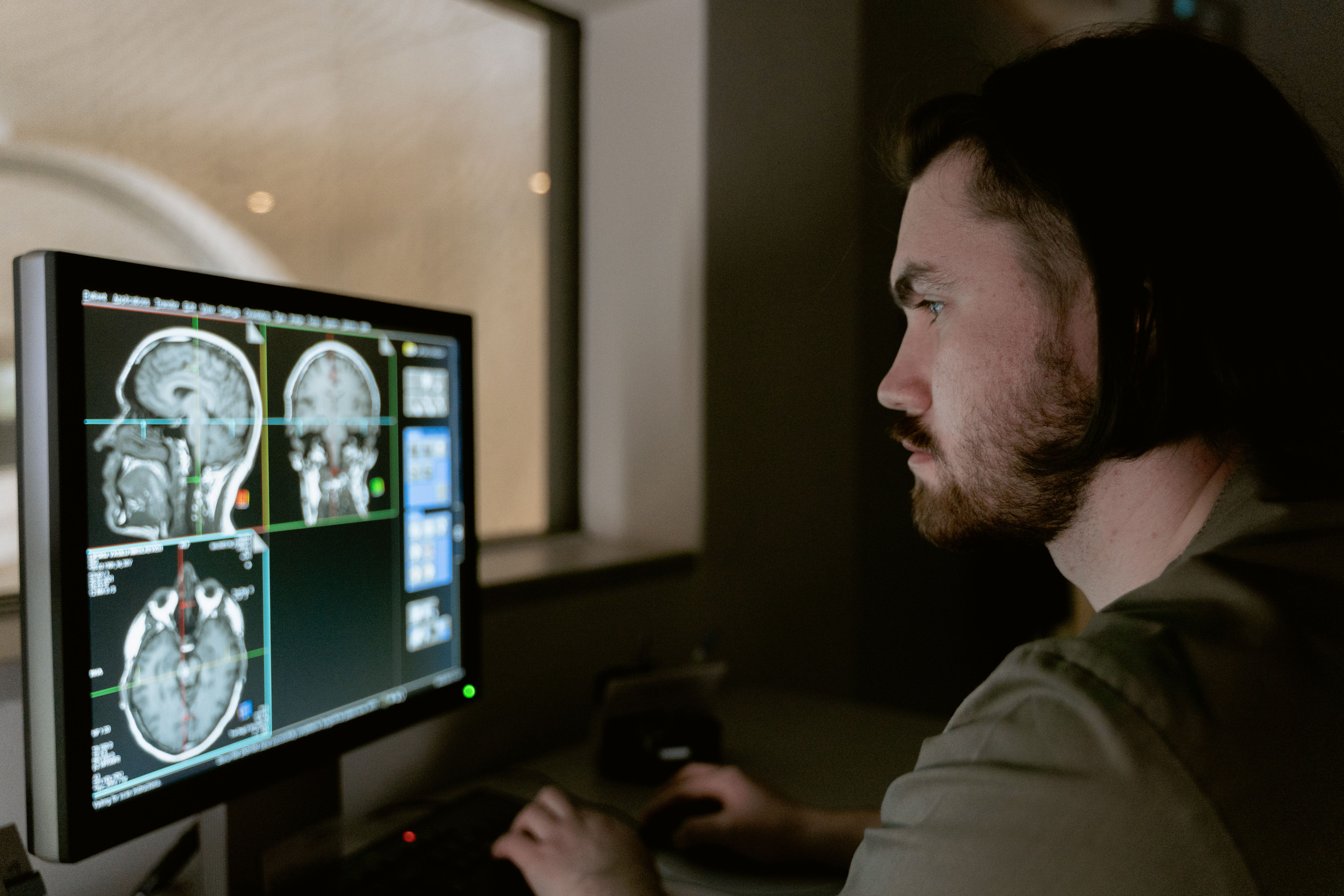
The core role: a board-certified radiologist who interprets studies remotely and issues diagnostic reports. These positions range from full-time employment with a teleradiology group to independent contract and per-study arrangements. Subspecialty demand—neuroradiology, musculoskeletal, body imaging, pediatric—is especially strong, and subspecialists often command premium rates.
Preliminary vs. Final Read Roles
Some teleradiology work involves preliminary reads (often overnight coverage, historically called “nighthawk” service) where a final interpretation is later confirmed by the facility’s day-time radiologist. Other roles carry full final-read responsibility. The distinction matters for liability, compensation, and the credentialing a facility requires.
Remote Contrast Supervision
A newer and rapidly growing category. Regulatory changes now allow, in a growing number of states, a physician to supervise contrast administration remotely rather than being physically present. This has opened supervision-focused roles that let imaging centers run contrast-enhanced studies without an on-site physician—expanding both patient access and physician earning opportunities. This is the model ContrastConnect specializes in.
Radiologic Technologist and Support Roles
Teleradiology also creates demand for technologists, PACS administrators, IT and informatics specialists, and coordination staff who keep remote workflows running. These roles are essential to the reliability and compliance of any remote reading operation.
Requirements: Licensing, Credentialing, and Certification
Working in teleradiology carries the same rigor as on-site radiology, plus additional cross-jurisdictional considerations:
- State medical licensure: A radiologist must generally be licensed in the state where the patient is located, not merely where the physician sits. Multi-state practice often means holding multiple licenses; the Interstate Medical Licensure Compact can streamline this for eligible physicians.
- Board certification: Certification by the American Board of Radiology (or equivalent) is the standard expectation for diagnostic roles.
- Facility credentialing and privileging: Each facility whose images are read must credential the reading physician. “Credentialing by proxy” can simplify this for teleradiology arrangements under certain accreditation standards.
- HIPAA and data security: Remote transmission and viewing of protected health information demands compliant infrastructure—encrypted transmission, access controls, and audited PACS access.
- Malpractice coverage: Coverage must reflect the states and modalities involved, and whether reads are preliminary or final.
What Do Teleradiology Jobs Pay?
Compensation varies widely by role, structure, subspecialty, and volume. Employed teleradiologists typically earn compensation comparable to on-site peers, while independent and per-study arrangements are priced per read or per shift and can be lucrative for high-throughput subspecialists. Supervision-focused roles—such as remote contrast supervision—are often structured around coverage windows rather than per-study reads. Because figures shift year to year and by market, treat any single number with caution and validate against current salary surveys and specialty compensation reports before making career decisions.
The Bigger Picture: Why Remote Coverage Is Growing
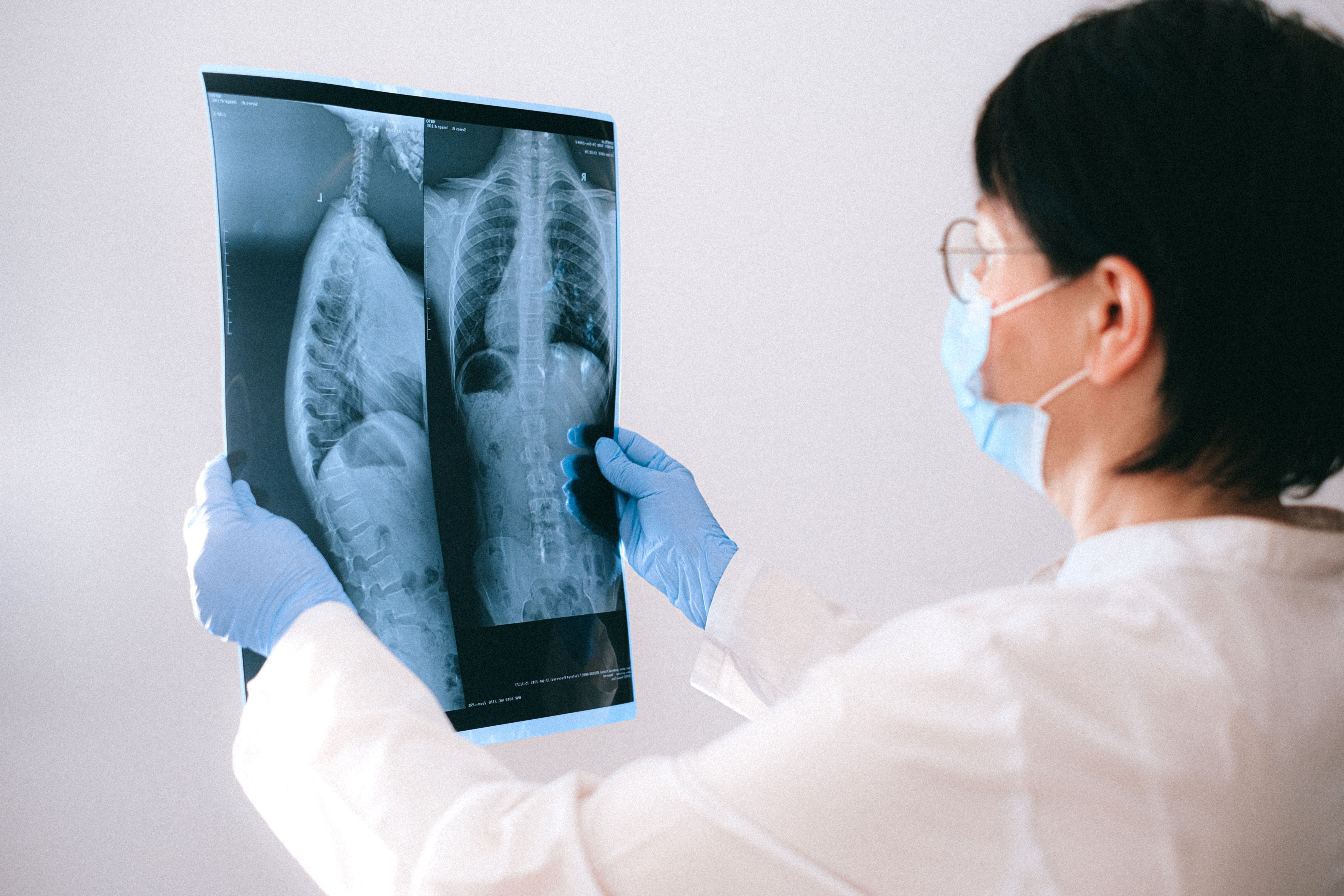
The radiologist shortage is the structural force behind teleradiology’s expansion. Imaging volumes continue to rise with an aging population and broader use of advanced imaging, while the number of radiologists entering the workforce has not kept up. The result is a persistent gap between the demand for interpretation and supervision and the supply of physicians available to provide it, particularly outside major metros and outside standard business hours.
Remote models are the most scalable response. They let a finite pool of physicians serve far more sites, reduce patient wait times, and keep imaging centers operating at full capacity without the fixed cost of on-site physician staffing for every hour and every modality.
How ContrastConnect Fits In
For imaging centers, the challenge is rarely the diagnostic read alone—it’s maintaining compliant physician supervision for contrast-enhanced studies when a radiologist isn’t on site. ContrastConnect provides virtual contrast supervision: qualified physician oversight of contrast administration, delivered remotely and in compliance with applicable state requirements. That means centers can offer contrast-enhanced imaging on more days and in more locations without the cost and scheduling burden of on-site coverage.
For physicians, it means flexible supervision opportunities that fit alongside—or instead of—traditional reading work. If you’re exploring teleradiology as a career or evaluating remote coverage for your facility, remote contrast supervision is one of the fastest-growing corners of the field to understand.
Trusted Nationwide



























.avif)




1,000,000
Contrast exams supervised annually
75,000+
Hours of supervision monthly
4,100+
Technologists certified
500+
Imaging partners nationwide
130+
Contrast reactions treated monthly
100%
Requested hours covered
Connect with us.

