Pediatric CT IV Contrast Guidelines: Dosage & Protocols


Key Takeaways
- Pediatric CT contrast protocols must be specific to children's unique physiology (higher body water content, lower body fat, smaller blood volume, faster circulation, and immature renal function in neonates) to support safe dosing and accurate imaging results.
- Weight-based IV and oral dosing provides predictable enhancement while avoiding overload, with IV contrast typically 1.5 to 2.0 mL/kg and adult protocols applied only when patients exceed approximately 100 pounds based on physiologic similarity rather than age alone.
- Choosing the right contrast agent (low-osmolality for routine cases, iso-osmolality for higher-risk patients), iodine concentration, and warming the media improves safety, comfort, and image quality, especially in neonates and infants.
- Pre-procedure assessment, including risk factors, renal function evaluation, hydration status, medication review, and patient and parent education, supports safety and reduces reaction risk before contrast administration.
- ContrastConnect offers virtual radiologist supervision, technologist training, and flexible coverage, supporting safe, compliant, and scalable pediatric contrast imaging across outpatient facilities and hospital networks.
Pediatric vs Adult CT IV Contrast Protocols: An Overview
Pediatric CT IV contrast protocols differ from adult protocols because children have higher body water content, lower body fat, smaller blood volume, faster cardiac output relative to body weight, and immature renal function in neonates and infants.
Weight-based dosing is the foundation of pediatric IV contrast administration, with nonionic iodinated agents such as iohexol (300 mg iodine/mL) typically administered at 1.5 to 2.0 mL/kg. Adult protocols apply once a patient exceeds approximately 100 pounds, based on physiologic similarity rather than age alone.
Contrast agent selection, concentration choices, and contrast warming all support safer administration in vulnerable populations, with iso-osmolality agents often preferred for neonates and patients with renal or cardiac concerns.
For imaging facilities running pediatric contrast-enhanced CT, ContrastConnect provides virtual contrast supervision by qualified radiologists with experience across 75,000+ monthly contrast exam hours and 130+ reactions treated monthly.
ContrastConnect: Virtual Contrast Supervision That Never Misses
Built by Radiologists | 75,000+ Hours Monthly Contrast Exams | Trusted Nationwide

Built for Imaging Networks:
- Virtual Contrast Supervision: Radiologists provide immediate CMS-compliant supervision through a secure, HIPAA-compliant platform for outpatient facilities and hospital networks.
- Unmatched Experience: 130+ contrast reactions treated monthly with 3,900+ technologists certified.
The ContrastConnect Difference:
- ✓ Radiologist-owned with superior clinical expertise
- ✓ Always-on platform with guaranteed compliance
- ✓ Audit-ready documentation for CMS reviews
- ✓ Cost-efficient alternative to onsite staffing
Safety & Compliance You Trust:
Helping imaging centers reduce cancellations, extend hours, and scale operations without adding on-site radiologists. Response times measured in seconds.
Why Do Pediatric CT Contrast Protocols Differ from Adults'?
In medical imaging, children are not simply “small adults.” Differences in organ maturity, body composition, and circulation mean contrast media behave differently in pediatric patients, requiring tailored protocols to ensure safety and diagnostic accuracy.
Physiological Differences
Children have higher body water content, lower body fat, and different pharmacokinetics than adults, which affects contrast distribution. Their blood volume is smaller, making accurate, weight-based dosing critical.
Higher cardiac output relative to body weight also leads to faster circulation times, influencing injection rates and scan timing. Renal function is immature in neonates and infants, with filtration rates reaching adult levels around age two, reinforcing the need for cautious dosing.
Risk–Benefit Considerations
Each pediatric contrast-enhanced CT requires careful assessment of clinical benefit versus potential risk. Clinicians must confirm that contrast is necessary or consider alternative imaging when appropriate.
Contrast-enhanced CT remains especially valuable for trauma, inflammatory conditions, and oncologic evaluation. For children requiring repeated imaging, cumulative contrast exposure should be monitored and managed through careful documentation and protocol selection.
ALARA Principle in Practice
The ALARA principle guides pediatric contrast use by emphasizing the lowest contrast dose needed for diagnostic-quality images. Balancing contrast volume, iodine concentration, and injection rate based on patient size and indication, combined with modern CT technology, has significantly improved the safety of pediatric CT imaging.
How Is Weight-Based Dosage Calculated for Pediatric IV Contrast?

Weight-based dosing is central to safe and effective pediatric contrast administration. Standardized protocols rely on patient weight rather than age to achieve consistent vascular enhancement while avoiding unnecessary contrast load.
For IV contrast, nonionic iodinated agents such as iohexol at a 300 mg iodine concentration are commonly used in pediatric CT. Renal function screening follows the same GFR guidelines applied in adults, but contrast volume is calculated strictly by weight. A widely accepted approach is to calculate IV contrast volume strictly by weight, typically ranging from 1.5 to 2.0 mL per kilogram. This method provides predictable enhancement across a wide range of pediatric body sizes.
Oral contrast dosing is also weight-based and requires careful timing. Imaging is typically performed about 45 minutes after oral contrast ingestion to allow adequate bowel opacification. Diluted oral contrast is prepared by adding a measured amount of low-concentration iodinated contrast to a noncarbonated beverage such as water, juice, or milk. The administered volume is calculated using a weight-based formula, ensuring adequate coverage without excessive intake.
Once a patient exceeds approximately 100 pounds, adult IV and oral contrast dosing protocols are generally applied. This transition reflects physiologic similarity rather than age alone and helps maintain consistency in image quality while supporting patient safety.
Recommended Contrast Media for Pediatric Patients
Selecting the appropriate contrast agent for pediatric CT requires careful consideration of safety, enhancement needs, and individual patient factors. Advances in contrast media have improved safety in pediatric imaging, but thoughtful agent selection remains essential to minimize adverse effects.
Low- vs. Iso-Osmolality Agents
Low-osmolality contrast media are commonly used in pediatric CT due to their reliable image quality and favorable safety profile. Iso-osmolality agents, which more closely match blood osmolality, may be preferred for higher-risk patients such as neonates or those with renal or cardiac concerns. While these agents may be used more selectively, they can offer added reassurance in vulnerable populations.
Iodine Concentration Considerations
Iodine concentration plays a key role in balancing image quality and physiologic tolerance. Moderate concentrations are typically sufficient for routine pediatric imaging, while higher concentrations may be reserved for studies requiring greater vascular detail. Increased viscosity at higher concentrations may affect injection performance, particularly in smaller patients, making preparation and delivery techniques an important consideration.
Age-Specific Selection
Neonates and young infants require special attention due to immature renal function and developing physiologic systems. In these patients, agents with lower physiologic impact are often preferred. Older children and adolescents can usually follow contrast selection principles similar to adults, adjusted for body size and clinical indication.
Pre-Procedure Assessment Protocol
A thorough pre-procedure assessment is essential for safe pediatric contrast administration. This evaluation identifies risk factors, establishes baseline parameters, and informs individualized protocol adjustments to optimize safety and diagnostic efficacy.
Screening for Risk Factors
Identifying prior adverse reactions to contrast is critical, as they are the strongest predictor of future events. Other factors include allergies, asthma, cardiovascular conditions, and pre-existing renal impairment. High-risk patients may require premedication with antihistamines or corticosteroids.
Kidney Function Evaluation
Although contrast-induced nephropathy is uncommon in children, renal function assessment is important for high-risk patients. Age-adjusted eGFR calculations are preferred, with routine labs generally unnecessary for healthy children without risk factors.
Hydration Status Assessment
Proper hydration helps reduce contrast-related risks. Assess hydration clinically and provide guidance on fluid intake before elective exams. In emergencies or high-risk patients, intravenous fluids may be considered.
Medication Review
Certain medications may complicate the treatment of allergic reactions or increase the risk of nephrotoxicity. Metformin, ACE inhibitors, nephrotoxic drugs, and beta-blockers warrant careful evaluation to manage potential renal risks or treatment reactions.
Patient & Parent Education
Clear, age-appropriate explanations of the procedure and potential sensations help reduce anxiety and improve cooperation. Parents should receive guidance on safety, the importance of reporting symptoms, and instructions for pre- and post-procedure care.
Managing Contrast Reactions in Children
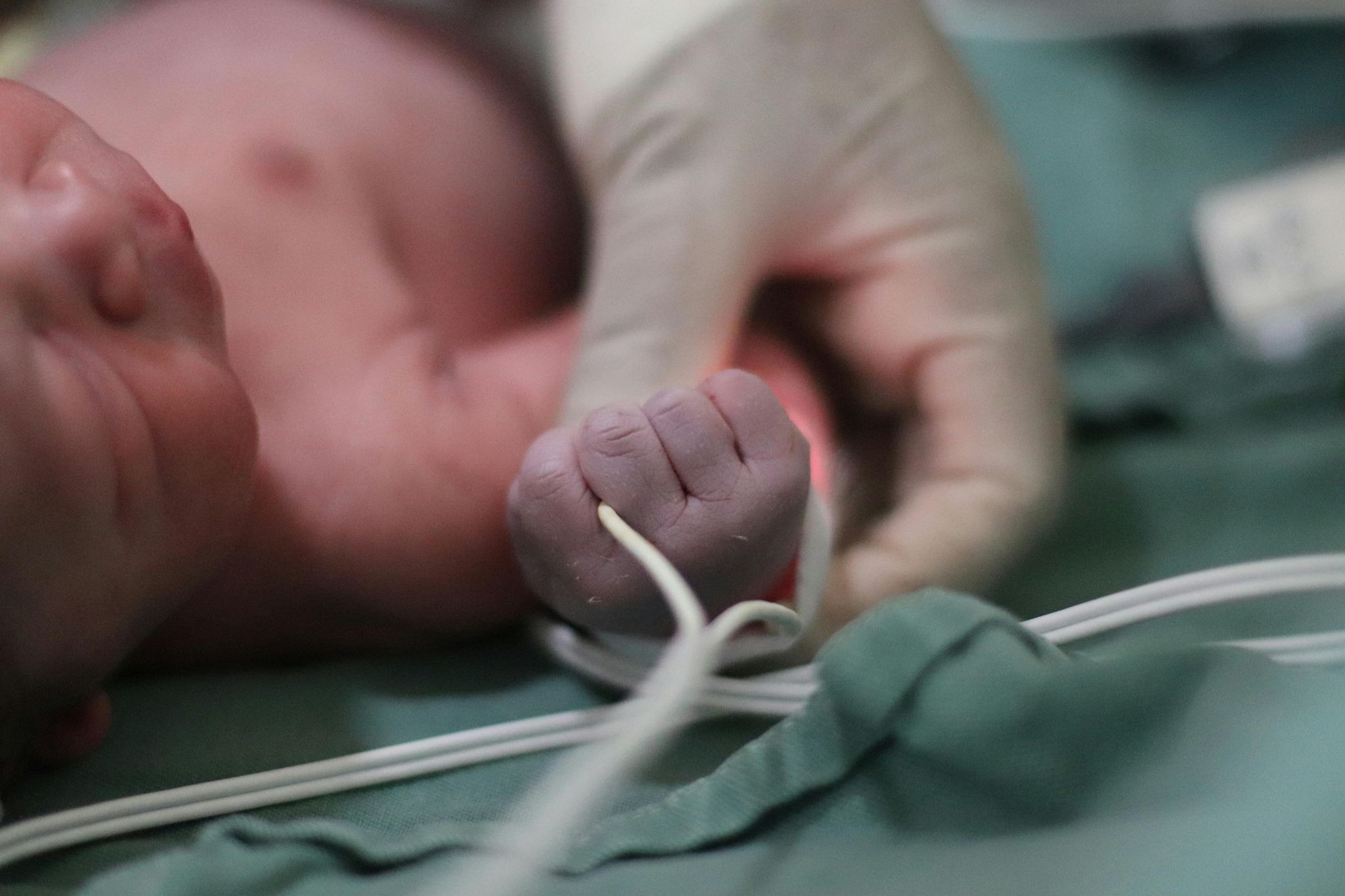
Types & Frequency of Reactions
Pediatric contrast reactions are similar to adult presentations but occur less frequently. Mild reactions may include limited urticaria, mild vomiting, or transient warmth. Moderate reactions can involve diffuse urticaria, bronchospasm, or facial/laryngeal edema that responds to treatment.
Severe reactions, though rare, include severe bronchospasm, hypotensive shock, arrhythmias, or cardiac arrest. Contrast extravasation also requires specific measures to prevent tissue injury.
Immediate Response Protocols
Initial management follows standard emergency assessment: ensure airway, breathing, and circulation. Mild reactions may only require observation. Moderate reactions are treated with antihistamines, bronchodilators, or fluids as needed.
Severe reactions demand rapid emergency intervention while maintaining vital functions. Extravasation requires stopping the injection, assessing the site, elevating the limb, and applying compresses per protocol.
Documentation
Accurate documentation is critical for immediate care and future imaging decisions. Records should include the contrast agent details, administered volume, method, reaction type and timing, interventions, patient response, and disposition. Clearly flagging this information in the medical record helps guide future contrast administration and premedication strategies.
Partnering with ContrastConnect for Safer, Scalable Pediatric CT

Pediatric CT contrast administration requires tailored protocols that account for children's unique physiology rather than applying scaled-down adult procedures. Weight-based dosing, careful contrast agent selection, contrast warming for smoother administration, and thorough pre-procedure assessment covering prior reactions, allergies, renal function, hydration, and medications all support safer outcomes. Reaction management follows graduated protocols from observation for mild urticaria through emergency intervention for severe bronchospasm or anaphylaxis, with extravasation requiring specific measures to prevent tissue injury.
Pediatric contrast-enhanced CT requires immediate clinical oversight to protect patient safety and maintain CMS and ACR compliance. At ContrastConnect, we provide virtual contrast supervision by qualified radiologists through a secure, HIPAA-compliant platform, helping imaging facilities reduce delays, extend operating hours, train technologists, and confidently expand pediatric imaging services without adding on-site radiologists. Get started with safe, scalable pediatric contrast supervision today.
Frequently Asked Questions (FAQs)
Why are pediatric CT contrast protocols different from those of adults?
Children have unique physiology, including different body composition, circulation, and kidney function. Protocols are adjusted to ensure safe contrast dosing, optimal enhancement, and minimal risk while achieving high-quality diagnostic images.
How is the IV contrast dose determined for children?
Pediatric IV contrast is weight-based, ensuring precise dosing that provides adequate imaging enhancement while minimizing risk. Dose calculations account for total blood volume, circulation rates, and renal function.
How can anxiety and motion be minimized during pediatric CT?
Techniques include scheduling around naps for infants, “feed and wrap,” child life preparation, mock scanners, educational tools, and distraction with videos or music to improve cooperation and reduce motion artifacts.
What special considerations exist for neonates and infants?
Neonates require lower contrast volumes and concentrations, slower injection rates, and careful fluid management due to immature kidneys, the blood-brain barrier, and higher extracellular fluid. Partnering with ContrastConnect ensures these tailored protocols are safely supervised by experienced radiologists.
How should renal function be assessed before contrast administration?
High-risk patients should have recent serum creatinine and age-adjusted eGFR. Healthy children usually do not require routine labs. Results guide contrast dosing and hydration strategies to prevent nephrotoxicity.
*Note: Information provided is for general guidance only and does not constitute medical, legal, or financial advice. Pricing estimates and regulatory requirements are current at the time of writing and subject to change. For personalized consultation on imaging center operations and virtual contrast supervision, contact ContrastConnect.
Trusted Nationwide


















.avif)




1,000,000
Contrast exams supervised annually
75,000+
Hours of supervision monthly
4,100+
Technologists certified
500+
Imaging partners nationwide
130+
Contrast reactions treated monthly
100%
Requested hours covered
Connect with us.

