On-Call Radiologist Coverage Alternatives: Cost, Scheduling & Contrast Supervision Options


Key Takeaways
- On-call radiologist alternatives include virtual contrast supervision, on-site supervision, locum tenens staffing, and dedicated off-hours radiologists.
- Remote interpretation and contrast supervision are separate functions, so a teleradiology contract does not cover contrast oversight unless the agreement explicitly includes it.
- Centers for Medicare & Medicaid Services (CMS) rules require real-time audio and video for virtual direct supervision, while on-site staffing requirements vary by state law, accreditation, and facility policy.
- True coverage cost includes availability pay, benefits, malpractice, credentialing, and backup clinicians, and schedules must run through the last patient’s post-contrast monitoring period.
- ContrastConnect provides real-time virtual contrast supervision for outpatient imaging centers, helping them extend contrast hours and avoid cancellations without hiring another on-site radiologist.
How Imaging Centers Can Cover Shifts Without an On-Call Radiologist
A mix of coverage models usually replaces an on-call radiologist, because most imaging departments need two different things covered: someone to read studies and someone to supervise contrast. These jobs aren’t always handled by the same person after hours. Departments often run into trouble when they treat coverage as one purchase instead of several clinical functions.
That mistake shows up in practical ways. A facility can secure a teleradiology contract and still have no radiologist available to supervise a contrast injection at 7 p.m. on a Saturday, resulting in a canceled appointment and lost scan volume. Separating these functions at the planning stage keeps contrast slots from falling off the schedule.
ContrastConnect offers virtual contrast supervision as a standalone service, so facilities can cover contrast hours without bundling them into a larger, more expensive staffing or teleradiology contract.
ContrastConnect: Virtual Contrast Supervision That Never Misses
Built by Radiologists | 75,000+ Hours Monthly Contrast Exams | Trusted Nationwide

Built for Imaging Centers:
- Virtual Contrast Supervision: Radiologists provide immediate CMS-compliant supervision through a secure, HIPAA-compliant platform for outpatient imaging facilities.
- Unmatched Experience: 130+ contrast reactions treated monthly with 3,900+ technologists certified.
The ContrastConnect Difference:
- ✓ Radiologist-owned with superior clinical expertise
- ✓ Always-on platform with guaranteed compliance
- ✓ Audit-ready documentation for CMS reviews
- ✓ Cost-efficient alternative to onsite staffing
Safety & Compliance You Trust:
Helping imaging centers reduce cancellations, extend hours, and scale operations without adding on-site radiologists. Response times measured in seconds.
On-Call Radiologist Alternatives: Contrast Supervision Options Explained
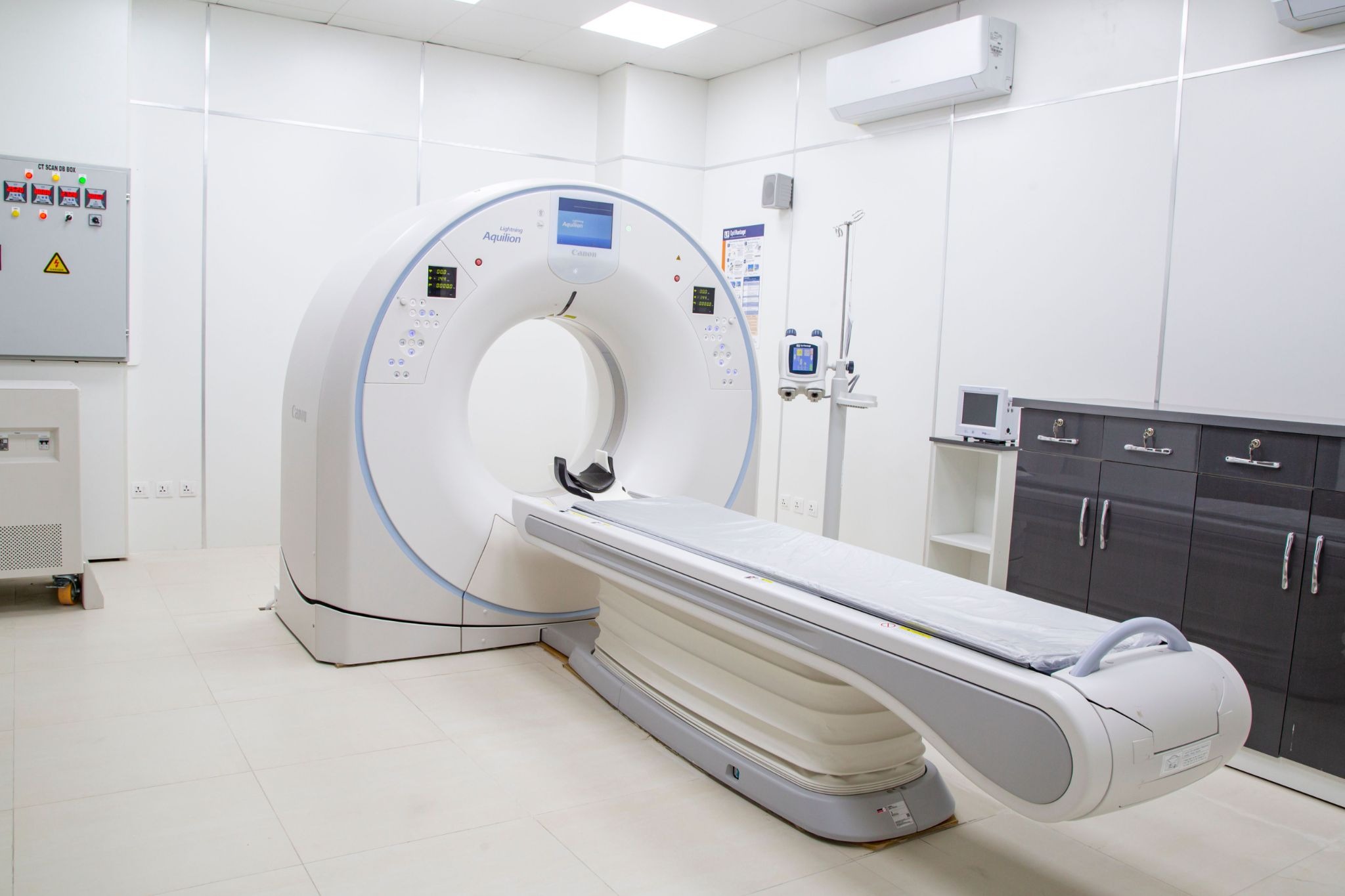
Virtual Contrast Supervision
Virtual contrast supervision is an arrangement in which a physician oversees contrast administration remotely instead of standing in the room. The physician connects with on-site staff via real-time audio and video, confirms the patient is appropriate for the contrast order, and remains reachable throughout the injection and monitoring period in case a reaction occurs.
It is not the same as a technologist working alone. Trained on-site staff still need to be ready to recognize a reaction and start the response while the remote physician guides them, and state law and facility policy determine exactly who must be physically present. Some states also restrict virtual supervision itself, and CMS rules do not override those state requirements.
This model exists because many facilities have more scan volume than they have radiologists willing or able to be physically present for every contrast case. Virtual supervision lets one supervising physician cover multiple sites or extended hours without duplicating an on-site radiologist at each location. Providers like ContrastConnect offer this as a standalone service built specifically for outpatient imaging centers.
On-Site Radiologist Supervision
On-site radiologist supervision is the traditional model: a radiologist physically present in the building oversees contrast administration while also handling other responsibilities like reading studies or answering protocol questions.
The American College of Radiology recognizes this as one acceptable way to meet its direct supervision recommendation. It works well for facilities with enough scan volume and radiologist hours to justify someone being there in person all day, but it becomes expensive fast when volume doesn't match staffing, or when a facility only needs supervision coverage for a few contrast cases scattered across the day.
A variation on this model uses another on-site physician, not necessarily a radiologist, to handle contrast supervision specifically, freeing the radiologist to focus on interpretation. This only works if that physician has appropriate qualifications, clearly assigned responsibilities, and documented availability that complies with facility policy.
Temporary or Locum Tenens Coverage
Locum tenens radiologists fill short-term staffing gaps, whether that's a vacation, parental leave, an unexpected resignation, or a defined coverage period while a facility recruits permanently. This can be arranged on-site or, increasingly, as remote temporary coverage. It’s a flexible patch rather than a long-term structural fix, and facilities typically use it alongside another coverage model rather than as a standalone solution.
The tradeoff is predictability. Locum coverage can be arranged quickly, but recruiting, credentialing, and onboarding each temporary radiologist add administrative time that a facility must budget separately from the hourly or per-shift rate.
Dedicated Evening, Overnight, or Weekend Radiologists
Some facilities hire radiologists specifically for recurring off-hours blocks rather than relying on a rotating on-call schedule. This replaces the traditional "radiologist gets called at home" model with a radiologist who is already working during evenings, overnights, or weekends as their normal shift.
It tends to suit facilities with consistent after-hours volume, since the model only pays off if there's enough work during those hours to justify a dedicated hire rather than an as-needed call arrangement.
Comparing Costs When Weighing Alternatives
Pricing structures vary widely across these alternatives, and comparing them on a single number, like "cost per exam," usually hides more than it reveals. A full cost comparison should include availability payments made even when no exams occur, active work during call periods, benefits, malpractice coverage, recruitment and credentialing costs, and any additional staffing needed the next day if overnight assignments affect daytime scheduling.
Before signing with any provider, it helps to get specific answers in writing:
- Is pricing hourly, per exam, per coverage block, subscription-based, or a mix of these?
- Are there minimum commitments or minimum billable periods?
- Do after-hours, weekend, holiday, or urgent-service requests carry separate charges?
- Is consultation and critical-result communication included in the base price?
- Is contrast supervision included, or is it a separately contracted service?
- What do technology, onboarding, integration, credentialing, and termination cost?
- Who provides backup coverage if the primary clinician is unavailable?
It's also worth asking whether a given coverage model solves a real problem or just shifts the expense. Facilities should check whether contrast appointments are currently being canceled due to supervisor unavailability, whether low-volume coverage hours are tying up resources needed elsewhere, and whether outsourcing a function eliminates an existing expense or simply adds a new contract on top of costs that never went away.

Scheduling Considerations To Take Into Account
Coverage gaps tend to appear at the seams: the handoff between day and evening shifts, the transition into a weekend, or a holiday that nobody explicitly planned around. For every evening or overnight period, a facility needs a clear answer to who accepts the handoff, who takes urgent consultations, who supervises contrast administration, and who serves as backup if the primary clinician becomes unavailable mid-shift.
Weekends and holidays need their own explicit plan rather than an assumption that the weekday schedule just continues. That means checking contracted holiday coverage, any different pricing that applies, on-site staff availability, named backup clinicians, and whether reduced staffing changes which exams can even be offered that day.
One detail that's easy to miss: a contrast coverage schedule must account for the full post-administration monitoring period for the last patient of the day, not just the time of the final scheduled scan. If supervision coverage ends the moment the last injection happens, a patient still in the monitoring window is left without the required oversight. Facilities should also document what staff should do if the virtual connection technology fails, since that scenario needs a response plan like a canceled appointment.
Keep Contrast Scans Running After Hours with ContrastConnect Virtual Supervision

The right coverage plan starts by separating interpretation from contrast supervision, pricing every hidden cost, and planning for shift changes, weekends, and holidays, where gaps tend to appear. Getting this wrong leads to canceled scans, delayed care, and compliance questions nobody can answer on the spot.
ContrastConnect gives outpatient imaging centers physician-led contrast supervision without adding another on-site radiologist to the payroll. Our radiologists connect with your on-site technologists through secure, real-time audio and video for every contrast exam, so you can keep evening and weekend contrast slots open. Start your coverage assessment today.
Frequently Asked Questions (FAQs)
Is teleradiology the same as contrast supervision?
No. Teleradiology covers remote interpretation of imaging studies, while contrast supervision covers physician oversight of contrast administration itself. A radiologist reading scans remotely is not automatically providing contrast supervision unless that responsibility is explicitly included and meets the applicable real-time communication requirements.
Does Medicare allow audio-only virtual supervision?
No. For applicable Medicare services, CMS requires immediate availability through real-time audio and visual telecommunications for virtual direct supervision. A phone-only callback arrangement does not satisfy this requirement, regardless of how quickly the supervising physician typically answers.
Does CMS recognize remote supervision as direct supervision?
Yes, under specific conditions. CMS permanently adopted a definition of direct supervision that allows immediate availability through real-time audio and video communication for applicable services. This replaces the need for the supervising physician's physical presence, provided the technology and response time meet the requirement.
Can virtual contrast supervision cover evenings, weekends, and last-minute requests?
It depends on the provider, since some virtual supervision contracts limit coverage to scheduled weekday hours or charge extra for urgent requests. ContrastConnect’s virtual contrast supervision covers evenings, weekends, and last-minute contrast cases, as long as a qualified practitioner is on-site.
What does ContrastConnect do?
ContrastConnect provides virtual contrast supervision for outpatient imaging centers running contrast-enhanced scans without enough radiologist coverage to keep up with demand. A supervising physician connects with on-site staff in real time during contrast administration, allowing facilities to keep scans running without hiring an additional on-site radiologist for that function alone.
*Note: Information provided is for general guidance only and does not constitute medical, legal, or financial advice. Pricing estimates and regulatory requirements are current at the time of writing and subject to change. For personalized consultation on imaging center operations and virtual contrast supervision, contact ContrastConnect.
Trusted Nationwide




































1,000,000
Contrast exams supervised annually
75,000+
Hours of supervision monthly
4,100+
Technologists certified
500+
Imaging partners nationwide
130+
Contrast reactions treated monthly
100%
Requested hours covered
Connect with us.

