Nighthawk & After-Hours Teleradiology: How Overnight Coverage Works


Imaging does not stop when the day shift ends. Emergency departments, urgent care centers, and hospitals acquire studies around the clock, and each one may need a radiologist’s interpretation immediately. Nighthawk teleradiology—the provision of overnight and after-hours image interpretation by remote radiologists—exists to meet that need. This article explains how after-hours teleradiology coverage works, why it developed, and how the model has matured into a core part of modern imaging operations.
What Is Nighthawk Teleradiology?
“Nighthawk” is the long-standing term for teleradiology coverage provided during overnight hours, when a facility’s own radiologists are typically off duty. In a nighthawk arrangement, studies acquired at night are transmitted to a remote radiologist—sometimes in a different time zone where it is daytime—who interprets them and returns a report. The term has broadened over time to describe after-hours coverage generally, including nights, weekends, and holidays.
Historically, much nighthawk work involved preliminary reads: the remote radiologist provided an initial interpretation overnight, which the facility’s daytime radiologist later confirmed as a final read. Today, many after-hours arrangements provide final reads directly, depending on the provider’s credentialing and the facility’s needs.
Why After-Hours Coverage Exists
The need is driven by a simple mismatch: imaging demand is continuous, but radiologist staffing is not. Maintaining an on-site radiologist through the night at every facility is expensive and, for many centers, impractical—the overnight volume may not justify a full salaried presence, yet the studies that do arrive often cannot wait until morning. Emergency and trauma imaging in particular requires prompt interpretation to guide urgent clinical decisions.
After-hours teleradiology resolves this by pooling overnight demand across many facilities and routing it to available radiologists. A single remote radiologist can cover studies from multiple sites, making around-the-clock interpretation economically viable in a way that on-site overnight staffing rarely is.
How Overnight Coverage Works
A typical after-hours teleradiology workflow runs as follows:
- Acquisition. On-site technologists perform the imaging study during the overnight or weekend shift.
- Transmission. Images are sent in the DICOM standard over a secure, encrypted connection to the covering radiologist’s PACS.
- Prioritization. Urgent studies (for example, suspected stroke or trauma) are flagged and moved to the front of the queue.
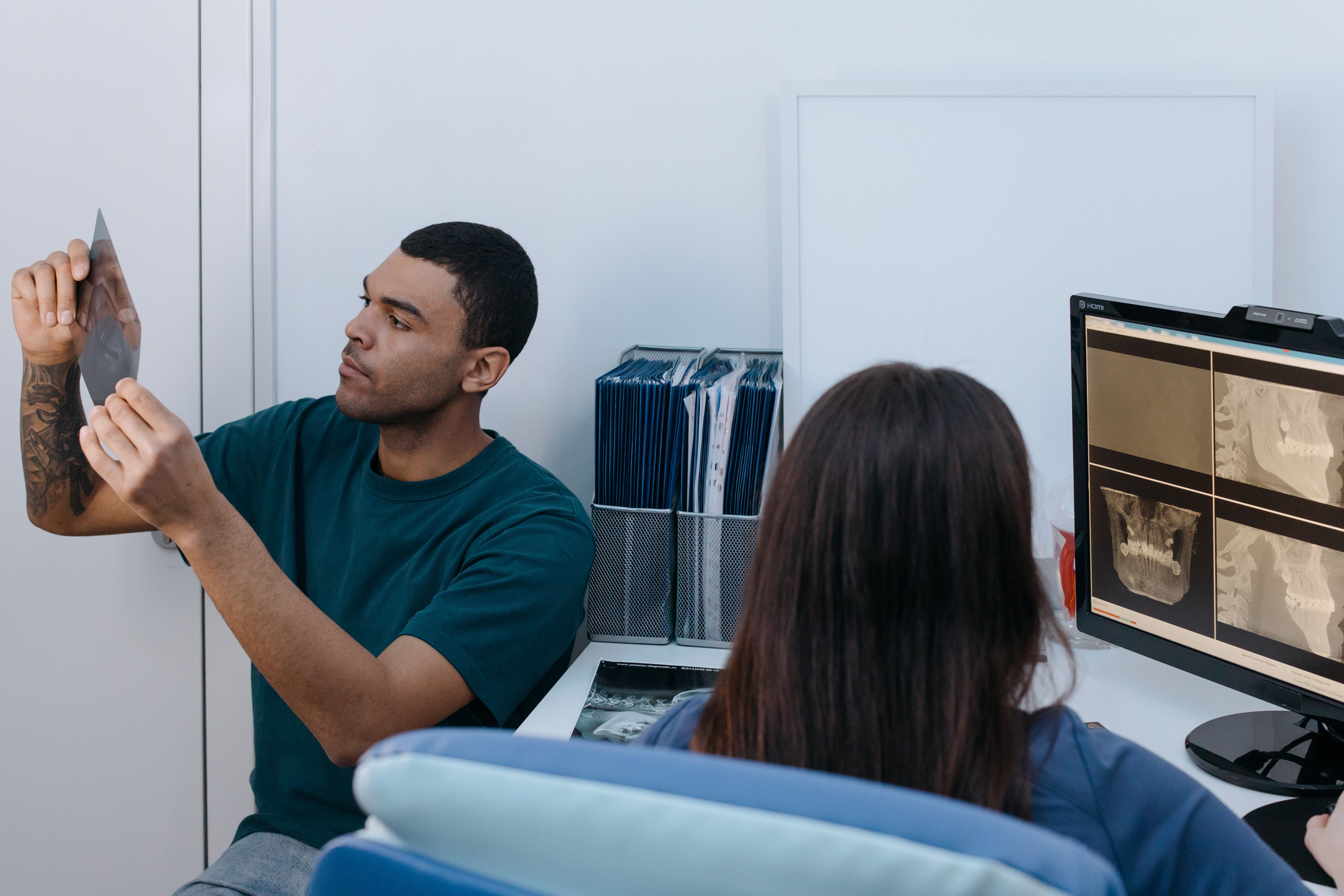
- Interpretation. The remote radiologist reviews the study on a diagnostic-grade workstation and issues a report—preliminary or final, per the arrangement.
- Communication. Critical or unexpected findings are communicated directly to the ordering clinician, often by phone, to enable immediate action.
Time Zones and “Follow-the-Sun” Coverage
One elegant feature of nighthawk teleradiology is the use of time-zone differences. A radiologist working normal daytime hours in one location can cover overnight studies from another—reading alert and rested rather than fatigued at 3 a.m. This “follow-the-sun” approach improves both quality and sustainability, though it introduces its own licensing and credentialing considerations, since the radiologist must still meet the requirements of the jurisdiction where the patient is located.
Quality and Compliance in After-Hours Reads
Overnight coverage is held to the same standards as daytime interpretation. That means appropriately licensed and credentialed radiologists, diagnostic-grade viewing conditions, secure and HIPAA-compliant image transmission, and clear protocols for communicating critical findings. Turnaround expectations are typically defined in a service agreement, since prompt reporting is the whole point of after-hours coverage.
From Interpretation to Supervision: The After-Hours Parallel
Nighthawk teleradiology solved the overnight interpretation problem. A related after-hours challenge has emerged for outpatient imaging: who supervises contrast administration when a study is performed outside standard hours and no physician is on site? Contrast-enhanced studies require physician supervision, and the same logic that makes remote overnight reading work also applies to remote supervision.
This is where virtual contrast coverage comes in—real-time remote physician supervision of contrast administration, delivered on the same principle of pooling qualified physician availability across sites and hours. For facilities that already rely on after-hours teleradiology for reads, remote supervision extends the same around-the-clock coverage to contrast-enhanced imaging. ContrastConnect specializes in exactly this form of coverage.
Trusted Nationwide

























.avif)




1,000,000
Contrast exams supervised annually
75,000+
Hours of supervision monthly
4,100+
Technologists certified
500+
Imaging partners nationwide
130+
Contrast reactions treated monthly
100%
Requested hours covered
Connect with us.

