Contrast Reaction Kit Requirements: Medications, Supplies & Emergency Readiness

Key Takeaways
- A contrast reaction kit requires epinephrine in two concentrations, diphenhydramine, atropine, albuterol, normal saline, IV access supplies, oxygen delivery devices, and patient monitoring tools as a minimum standard per ACR guidelines.
- Epinephrine is the most critical medication. The 1:1,000 concentration is used intramuscularly for anaphylaxis, while 1:10,000 is reserved for intravenous use during cardiovascular collapse. Pre-filled syringes reduce preparation time under pressure.
- Monthly inspections by a designated staff member, documented in a log, keep the kit compliant. Any time the kit is opened for a patient event, it must be restocked immediately before the next exam.
- A fully stocked kit means little without trained staff. Regular reaction drills and a clear communication pathway to a supervising physician are what turn equipment readiness into effective emergency response.
- ContrastConnect provides virtual contrast supervision, with radiologists responding within seconds and supporting technologists through reaction management at outpatient facilities nationwide.
What Goes Inside a Contrast Reaction Kit, and Why Does It Matter?
A contrast reaction kit requires, at a minimum, epinephrine in two concentrations (1:1,000 for intramuscular use and 1:10,000 for intravenous use), diphenhydramine, atropine, albuterol, normal saline, IV access supplies, oxygen delivery devices, and patient monitoring tools such as a pulse oximeter and blood pressure cuff.
These categories align with the American College of Radiology (ACR) Manual on Contrast Media and should be present in every imaging suite where contrast agents are administered. Beyond stocking the correct items, facilities need documented inspection schedules, written emergency protocols, and staff who can locate and use each item under pressure.
For outpatient centers without on-site radiologists, virtual supervision platforms like ContrastConnect now provide real-time physician oversight so technologists receive clinical guidance the moment a reaction begins.
ContrastConnect: Virtual Contrast Supervision That Never Misses
Built by Radiologists | 75,000+ Hours Monthly Contrast Exams | Trusted Nationwide

Built for Imaging Networks:
- Virtual Contrast Supervision: Radiologists provide immediate CMS-compliant supervision through a secure, HIPAA-compliant platform for outpatient facilities and hospital networks.
- Unmatched Experience: 130+ contrast reactions treated monthly with 3,900+ technologists certified.
The ContrastConnect Difference:
- ✓ Radiologist-owned with superior clinical expertise
- ✓ Always-on platform with guaranteed compliance
- ✓ Audit-ready documentation for CMS reviews
- ✓ Cost-efficient alternative to onsite staffing
Safety & Compliance You Trust:
Helping imaging centers reduce cancellations, extend hours, and scale operations without adding on-site radiologists. Response times measured in seconds.
Medications Required in a Contrast Reaction Kit
The medication component of a contrast reaction kit targets the most common and severe adverse reactions to iodinated and gadolinium-based contrast agents. Each medication addresses a specific reaction pathway, and all should be available in injectable form for rapid administration.
Epinephrine
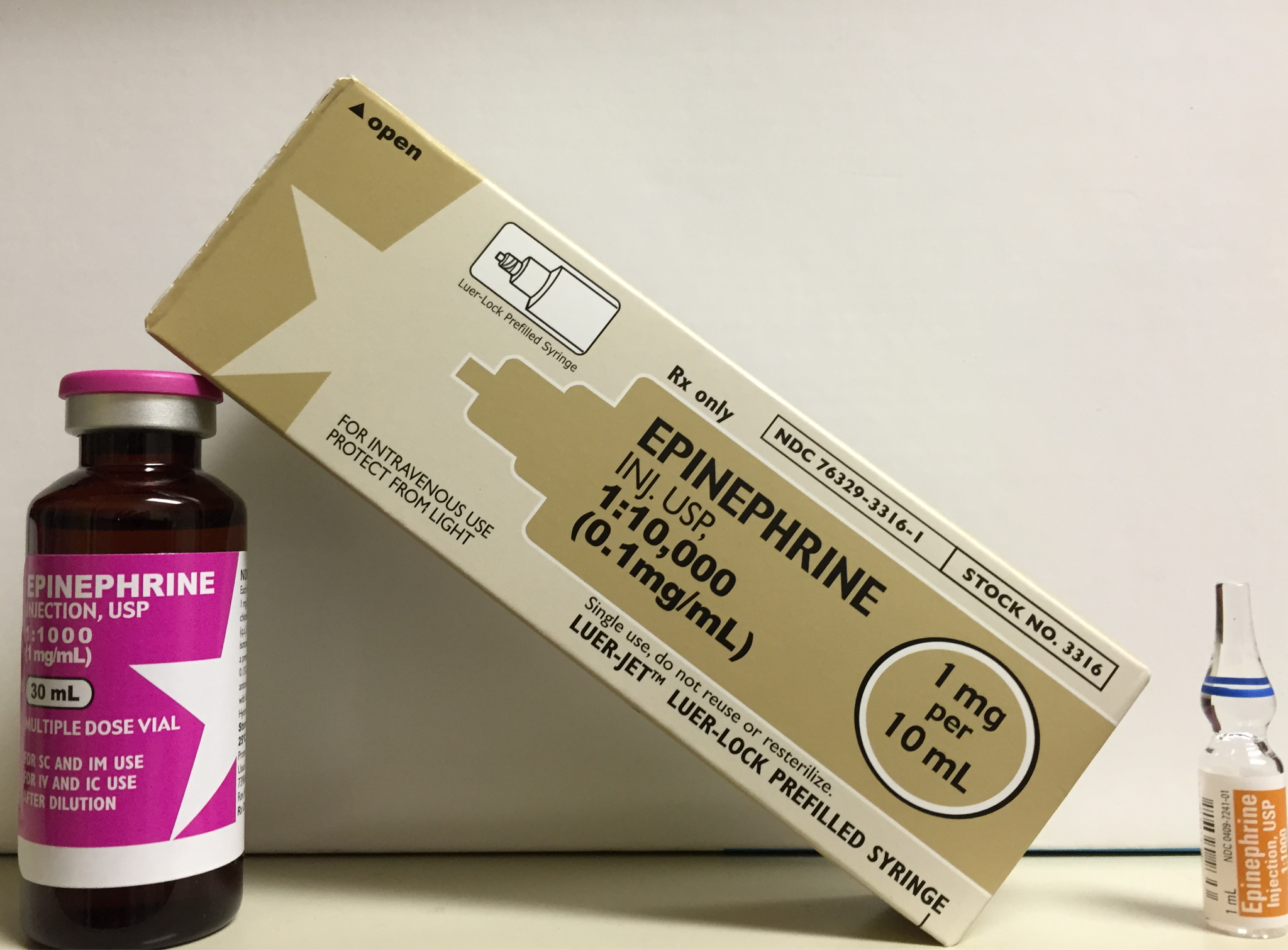
Epinephrine is the single most critical medication in any reaction kit. Facilities should stock epinephrine 1:1,000 (1 mg/mL) for intramuscular injection during anaphylactic reactions and epinephrine 1:10,000 (0.1 mg/mL) for intravenous use in cardiovascular collapse.
The ACR Manual on Contrast Media identifies epinephrine as the first-line treatment for severe allergic-like reactions. Pre-filled syringes are preferred where available because they reduce preparation time under pressure.
Antihistamines, Bronchodilators, and Supportive Medications
Diphenhydramine (50 mg injectable) addresses mild to moderate allergic reactions, including urticaria and skin flushing. While it does not reverse anaphylaxis on its own, it serves as an adjunct medication after epinephrine has been given.
Atropine (0.6 to 1.0 mg injectable) is indicated for vasovagal reactions, which present as bradycardia and hypotension. These reactions occur frequently during contrast injection and can progress if untreated.
Albuterol, delivered by metered-dose inhaler or nebulizer, addresses bronchospasm. Patients who develop wheezing or respiratory distress after contrast administration need rapid bronchodilation while other interventions are being prepared.
Normal saline (0.9% NaCl in 1,000 mL bags) supports volume resuscitation during hypotensive episodes. At least two bags should be stocked and ready for rapid infusion through large-bore IV access.
Some facilities also include sublingual nitroglycerin tablets for managing pulmonary edema and supplemental beta-agonists. The ACR recommends that each facility tailor its kit based on patient volume, exam complexity, and the acuity level of the patient population served.
Supplies & Equipment for Contrast Emergency Readiness
Medications are only effective if staff can administer them quickly and monitor the patient throughout the event. The supply component of a reaction kit should include everything needed for vascular access, drug delivery, airway management, and clinical monitoring.
IV Access & Drug Delivery
IV access supplies should include multiple gauges of angiocatheters (18- through 22-gauge), IV tubing, extension sets, alcohol prep pads, tourniquets, and adhesive tape. Pre-assembled IV start kits reduce fumbling under stress.
Syringes in several sizes (1 mL, 3 mL, 10 mL, and 20 mL), along with appropriate-gauge needles, including large-bore options for drawing medications from vials, must be readily available.
Oxygen & Airway Management
Oxygen delivery equipment should include a portable oxygen tank or wall-mounted oxygen supply, nasal cannulas, simple face masks, non-rebreather masks, and a bag-valve mask (Ambu bag) for assisted ventilation. A functioning suction device should be stationed nearby for airway clearance.
Patient Monitoring
A pulse oximeter and blood pressure cuff (manual or automatic) are the minimum monitoring tools. Facilities performing higher-acuity exams or serving high-risk patient populations may also benefit from having a portable cardiac monitor available in the imaging suite.
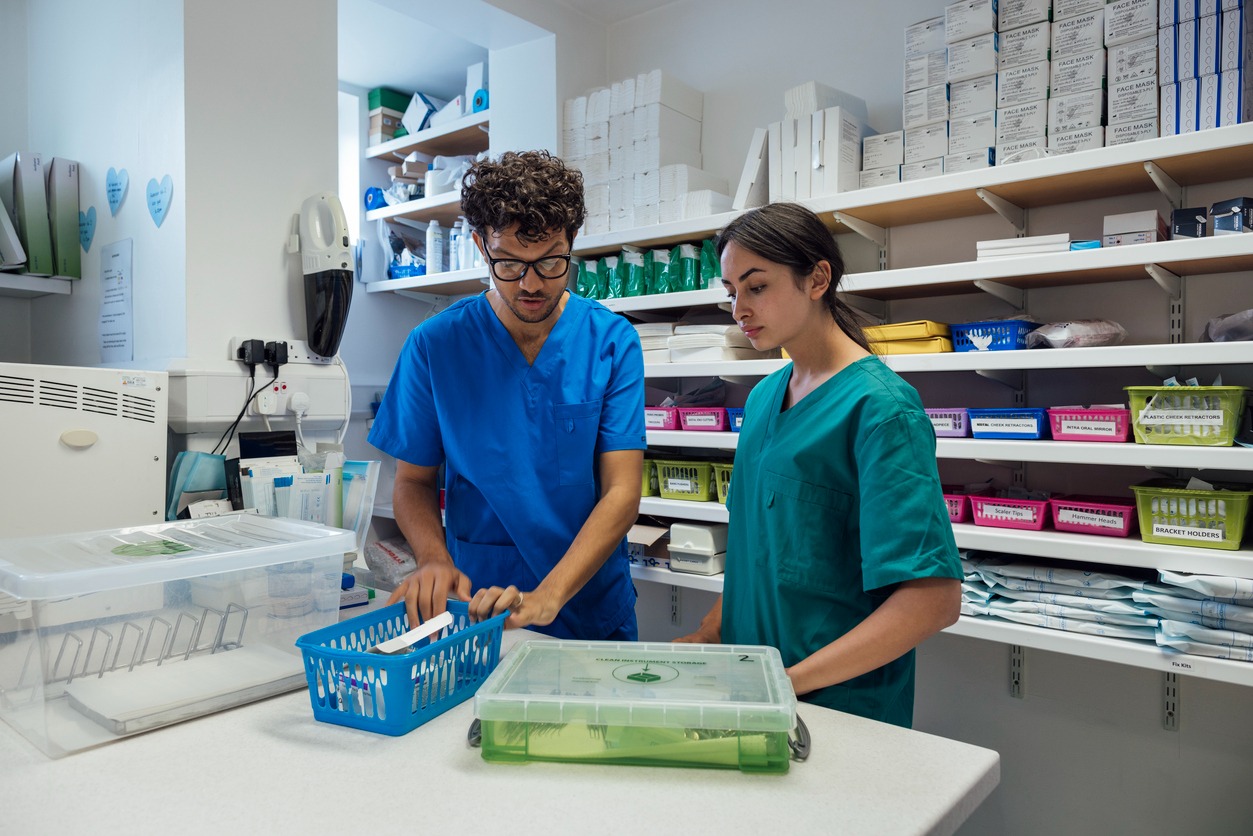
All supplies should be organized in a clearly labeled, portable container stored in a consistent, known location. If the kit is wall-mounted, every staff member should know the exact placement and be able to access it within seconds.
Inspection Schedules & Restocking Protocols
A fully stocked kit on day one provides no safety benefit if medications expire or supplies are depleted without replacement. Every facility should assign a specific staff member to inspect the contrast reaction kit at defined intervals.
Monthly inspections are the standard practice. During each check, the assigned technologist or nurse verifies that all medications are present, within expiration dates, and stored at the correct temperature. Supplies like IV catheters, tubing, and syringes should be counted against a master checklist.
Any time the kit is opened for a patient event, it must be restocked immediately afterward. A documented log of all inspections and restocking events supports compliance during accreditation surveys and CMS audits. Facilities using digital tracking systems can automate expiration alerts, though manual checklists remain effective for smaller operations.
Staff Training & Emergency Drills
A well-stocked kit means little if staff cannot use it effectively under pressure. All technologists who administer contrast should receive training on the kit's contents, correct medication dosing, and step-by-step emergency response protocols.
Periodic reaction drills simulate real scenarios so staff can practice their response sequence in a controlled setting. The ACR recommends that facilities conduct drills at regular intervals and document each participant's attendance. Drill scenarios should range from mild reactions (urticaria, nausea) through moderate reactions (bronchospasm, hypotension) to severe events (anaphylaxis, cardiovascular collapse).
For outpatient imaging centers operating without an on-site radiologist, maintaining a clear and immediate communication pathway to a supervising physician is a regulatory requirement under CMS direct supervision rules. Virtual supervision platforms bridge this gap by connecting technologists to a radiologist via real-time audiovisual technology, ensuring clinical guidance is available the moment a reaction develops.
How Can ContrastConnect Help Keep Your Reaction Kit Ready?

The right medications, properly maintained supplies, trained staff, and regular drills form a complete contrast reaction readiness program. Each piece depends on the others: a stocked kit without trained personnel is just a box of supplies, and trained staff without immediate access to a physician face unnecessary risk during severe events. Facilities that close these gaps consistently are the ones that protect patients and pass audits without scrambling.
At ContrastConnect, we add the physician supervision layer that ties your readiness program together. Our radiologists are available within seconds via a secure, CMS-compliant platform, supporting your technologists with real-time reaction management. To learn how we can extend coverage across your imaging network, schedule a coverage assessment with ContrastConnect today.
Start Your Coverage Assessment →
Frequently Asked Questions (FAQs)
What medications must be in a contrast reaction kit?
At a minimum, a contrast reaction kit should contain epinephrine in two concentrations (1:1,000 and 1:10,000), diphenhydramine, atropine, albuterol, and normal saline. These medications address the most common allergic, vasovagal, respiratory, and hypotensive reactions to contrast agents.
How often should imaging facilities inspect their contrast reaction kits?
Monthly inspections are the standard recommendation. Each inspection should verify that all medications are present, stored correctly, and within their expiration dates. Kits must also be restocked immediately after any patient event, with every inspection and restocking logged for compliance records.
Are contrast reaction drills required for imaging staff?
The ACR recommends periodic reaction drills for all staff involved in contrast administration. Drills help technologists practice emergency response protocols under controlled conditions. Facilities should document each drill session, including participant names and scenarios covered, to support accreditation and audit readiness.
Can virtual supervision satisfy CMS direct supervision requirements during contrast reactions?
Yes. CMS rules allow virtual supervision to satisfy direct supervision requirements at outpatient imaging facilities, provided the supervising radiologist is immediately available via real-time audiovisual technology to direct the clinical response in the event of an adverse event.
What makes ContrastConnect a strong partner for contrast reaction readiness?
At ContrastConnect, we are radiologist-owned and treat over 130 contrast reactions each month, giving our team more hands-on experience responding to contrast reactions than most platforms can offer. Our platform delivers guaranteed response times measured in seconds, CMS-compliant documentation, and scalable coverage for imaging networks of any size.
*Note: Information provided is for general guidance only and does not constitute medical, legal, or financial advice. Pricing estimates and regulatory requirements are current at the time of writing and subject to change. For personalized consultation on imaging center operations and virtual contrast supervision, contact ContrastConnect.
Trusted Nationwide






























.avif)




1,000,000
Contrast exams supervised annually
75,000+
Hours of supervision monthly
4,100+
Technologists certified
500+
Imaging partners nationwide
130+
Contrast reactions treated monthly
100%
Requested hours covered
Connect with us.

