Who Can Interpret X-Rays? Radiology Guidelines


Key Takeaways
- Radiologists are the primary medical professionals qualified to interpret X-rays, completing four years of medical school, a one-year internship, a four-year radiology residency, and often additional fellowship training in subspecialties.
- While some non-radiologist physicians (emergency medicine, orthopedics, pulmonology, cardiology) can provide preliminary X-ray interpretations within their scope, most healthcare systems require final readings from radiologists, often within 24 to 48 hours.
- Non-physician healthcare providers like nurse practitioners and physician assistants may provide preliminary X-ray assessments in some settings, but their interpretations typically require physician oversight and subsequent radiologist confirmation.
- Understanding who can legally interpret X-rays is important for maintaining diagnostic accuracy and patient safety across different healthcare settings, from hospital radiology departments to emergency rooms, primary care clinics, dental offices, and chiropractic practices.
- Contrast-enhanced imaging requires real-time physician supervision during administration, not just interpretation afterward. ContrastConnect provides immediate access to qualified radiologists through a secure, HIPAA-compliant platform, supervising 75,000+ contrast exam hours monthly while supporting CMS compliance.
Who Can Legally Interpret X-Rays?
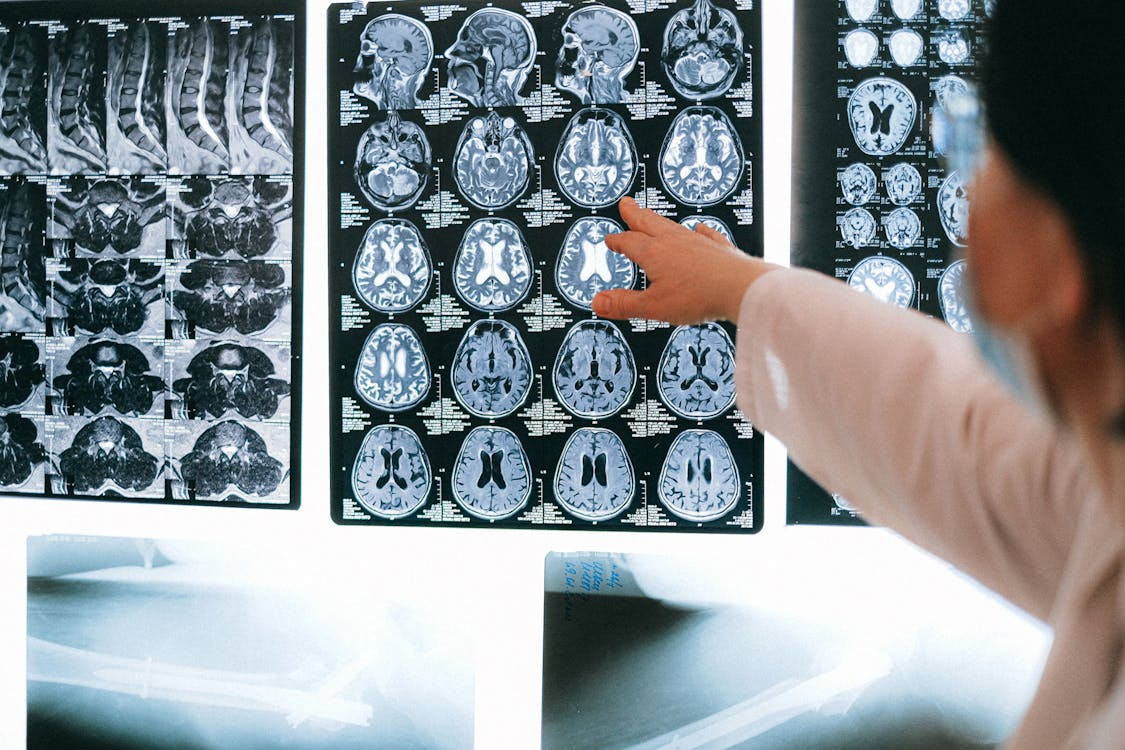
Radiologists are the primary medical professionals who officially interpret X-rays. They complete extensive specialty training (four years of medical school, a one-year internship, a four-year radiology residency, and often additional fellowship training in subspecialties like musculoskeletal imaging, neuroradiology, or pediatric radiology).
Non-radiologist physicians, including emergency medicine physicians, orthopedic surgeons, pulmonologists, and cardiologists, can provide preliminary X-ray interpretations within their scope of practice for immediate clinical decision-making. But in most hospital settings, these readings are considered preliminary, with radiologists providing the final official interpretation, often through "over-reads" within 24 to 48 hours.
While X-ray interpretation occurs after imaging is complete, contrast-enhanced procedures (CT with contrast, MRI with contrast) require real-time physician supervision during contrast administration to comply with CMS direct supervision requirements, which creates a separate operational challenge for imaging facilities.
ContrastConnect helps imaging facilities meet these supervision requirements through virtual contrast supervision by qualified radiologists. With experience supporting more than 75,000 monthly contrast exam hours and treating 130+ contrast reactions each month, the platform helps facilities maintain compliance, reduce scan delays, and keep patients safe.
ContrastConnect: Virtual Contrast Supervision That Never Misses
Built by Radiologists | 75,000+ Hours Monthly Contrast Exams | Trusted Nationwide

Built for Imaging Networks:
- Virtual Contrast Supervision: Radiologists provide immediate CMS-compliant supervision through a secure, HIPAA-compliant platform for outpatient facilities and hospital networks.
- Unmatched Experience: 130+ contrast reactions treated monthly with 3,900+ technologists certified.
The ContrastConnect Difference:
- ✓ Radiologist-owned with superior clinical expertise
- ✓ Always-on platform with guaranteed compliance
- ✓ Audit-ready documentation for CMS reviews
- ✓ Cost-efficient alternative to onsite staffing
Safety & Compliance You Trust:
Helping imaging centers reduce cancellations, extend hours, and scale operations without adding on-site radiologists. Response times measured in seconds.
What Makes Radiologists the Standard for X-Ray Interpretation?

Radiologists possess a deep understanding of the technical aspects of imaging beyond just reading the final pictures.
They understand how X-rays interact with different tissue types, how positioning affects image quality, and how to optimize imaging protocols to maximize diagnostic yield while minimizing radiation exposure. This technical knowledge helps radiologists compensate for imaging limitations and artifacts that might confuse less experienced interpreters.
Most importantly, radiologists develop expertise in identifying subtle abnormalities that can indicate serious underlying conditions. The ability to distinguish a small early-stage lung cancer from normal overlapping structures, recognize subtle signs of pneumonia in an immunocompromised patient, or identify a hairline fracture that might be easily overlooked requires specialized training and extensive experience.
Radiologists typically interpret thousands of X-rays annually, allowing them to recognize rare presentations that a general practitioner might encounter only once or twice in their entire career. This experience with both common and rare conditions across diverse patient populations creates a knowledge base that serves as a critical diagnostic resource for the entire healthcare system.
X-Ray Interpretation in Different Healthcare Settings
The processes and protocols for X-ray interpretation vary substantially across different healthcare environments. Understanding these variations helps patients and healthcare providers navigate the system effectively while ensuring proper diagnostic standards are maintained.

Hospital Radiology Departments
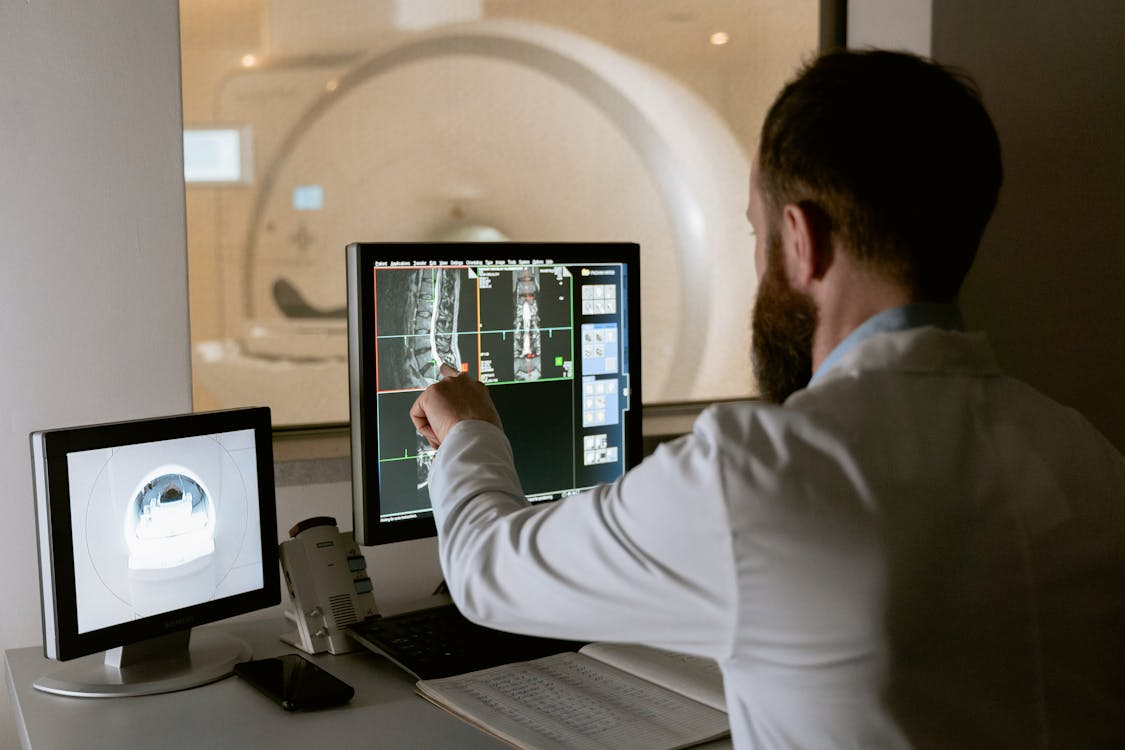
In hospital settings, radiologists typically provide definitive interpretations of all X-rays through a structured workflow. Imaging studies are performed by radiologic technologists and are immediately transmitted to radiologists, either on-site or via teleradiology networks.
For routine outpatient studies, interpretations are usually completed within 24 hours, whereas emergency and inpatient studies receive priority and have much faster turnaround times. Many hospitals implement critical results notification protocols requiring direct communication between radiologists and ordering physicians when potentially life-threatening findings are identified.
Emergency Rooms & Urgent Care Centers
Emergency settings require rapid decision-making, often with limited time for formal consultation with a radiologist. Emergency physicians receive training in basic X-ray interpretation and frequently make initial treatment decisions based on their own readings.
However, most facilities use a "wet read" system in which radiologists provide preliminary interpretations during operating hours, with more comprehensive reports issued later. In urgent care centers without on-site radiologists, teleradiology services provide rapid remote interpretation by qualified radiologists.
Primary Care & Specialty Clinics
In outpatient settings, X-ray interpretation practices vary widely based on provider expertise and facility protocols.
Some primary care physicians with additional training may interpret basic X-rays, particularly in rural areas with limited access to radiologists. Specialty clinics often employ physicians with focused expertise in the relevant imaging for their specialty.
However, most clinics still rely on radiologist interpretation, either through affiliated hospital systems or contracted teleradiology services, to ensure diagnostic accuracy and meet liability standards.
Dental Offices & Chiropractic Practices
Dental radiographs are interpreted by dentists who receive specialized training in dental imaging during their professional education. This narrow focus on the oral cavity allows dentists to identify dental pathology effectively without requiring a radiologist's consultation.
Similarly, chiropractors may take and interpret limited spine X-rays within their scope of practice, though regulations governing this vary significantly by state. In both settings, findings outside the practitioner's area of expertise should prompt referral to appropriate medical specialists.
Why Contrast-Enhanced Procedures Require Additional Supervision
While this article focuses on X-ray interpretation, imaging facilities performing contrast-enhanced procedures must also meet additional physician supervision requirements. CMS mandates immediate physician supervision during contrast administration for CT and MRI procedures, not just interpretation afterward.
This "direct supervision" requirement means a qualified physician must be immediately available to respond to adverse reactions during contrast injection. Unlike image interpretation, which can occur hours or days after a scan, contrast supervision must happen in real time.
For multi-site imaging networks, this creates operational challenges: hiring on-site radiologists for every location is cost-prohibitive, yet canceled procedures due to lack of physician coverage directly impact revenue and patient access.
The distinction is critical for compliance. A radiologist who interprets your facility's images remotely may not fulfill CMS requirements for contrast supervision unless they can respond immediately during the actual procedure.
Ensure Compliance in X-Ray Interpretation with ContrastConnect
Understanding who can legally interpret X-rays is fundamental to maintaining regulatory compliance and delivering quality patient care. The distinction between image acquisition and medical interpretation exists to protect patients.
At ContrastConnect, we provide imaging facilities with immediate access to specialized radiologists for real-time contrast supervision through our secure, HIPAA-compliant virtual platform. Our staff oversees more than 75,000 contrast-enhanced exam hours each month and successfully manages more than 130 reactions monthly. This experience ensures consistent safety protocols across every procedure. Whether your facility struggles with radiologist availability for contrast coverage or wants to expand operating hours without increasing on-site staffing, we deliver CMS-compliant virtual supervision. Ready to ensure compliant, safe contrast imaging? Contact ContrastConnect today.
Frequently Asked Questions (FAQs)
Can my family doctor interpret my X-ray, or do I need a radiologist?
Family physicians can provide preliminary interpretations of basic X-rays for common conditions, such as uncomplicated pneumonia or obvious fractures. However, most healthcare systems require radiologist confirmation of these interpretations, either immediately or within a specified timeframe.
Many primary care offices send all images to radiologists for official interpretation, with family doctors reviewing these reports to guide treatment decisions rather than serving as the primary interpreter.
How long does it take to get X-ray results interpreted by a specialist?
Turnaround times vary based on clinical setting and urgency. Emergency situations typically receive preliminary results within minutes to hours, while routine outpatient X-rays are usually interpreted within 24–48 hours.
Some facilities offer same-day results for all imaging studies. If you need results urgently, communicate this to your healthcare provider, who can request expedited interpretation.
Are nurse practitioners or physician assistants allowed to interpret X-rays?
The authority of nurse practitioners (NPs) and physician assistants (PAs) to interpret X-rays varies by state regulation and institutional policy. In many states, NPs and PAs with appropriate training can provide preliminary interpretations for straightforward cases within their scope of practice, but final interpretations are typically required from a physician.
Most healthcare facilities implement policies requiring physician confirmation of all NP and PA interpretations.
Should I be concerned if my X-ray gets a preliminary reading at urgent care?
Preliminary X-ray interpretations at urgent care centers are standard practice and shouldn't cause concern in most cases. Urgent care physicians receive training in basic X-ray interpretation and can accurately identify many common conditions requiring immediate attention.
Quality urgent care centers have protocols that ensure all X-rays receive formal radiologist interpretation, usually within 24–48 hours, with prompt follow-up if the final reading differs from the preliminary interpretation.
Do imaging facilities need physician supervision for procedures?
Yes. While X-ray interpretation can occur after imaging is complete, contrast-enhanced procedures (CT with contrast, MRI with contrast) require real-time physician supervision during contrast administration to comply with CMS direct supervision requirements. This ensures patient safety by enabling immediate response to adverse reactions.
ContrastConnect addresses this challenge for multi-site imaging networks by providing immediate access to qualified radiologists through a secure, HIPAA-compliant virtual platform. Our solution allows facilities to extend hours, open new locations, and maintain CMS and ACR compliance without requiring on-site physician presence, eliminating canceled procedures while reducing staffing costs.
*Note: Information provided is for general guidance only and does not constitute medical, legal, or financial advice. Pricing estimates and regulatory requirements are current at the time of writing and subject to change. For personalized consultation on imaging center operations and virtual contrast supervision, contact ContrastConnect.
Trusted Nationwide




























.avif)




1,000,000
Contrast exams supervised annually
75,000+
Hours of supervision monthly
4,100+
Technologists certified
500+
Imaging partners nationwide
130+
Contrast reactions treated monthly
100%
Requested hours covered
Connect with us.

