What Is a Virtual Radiology Assistant?


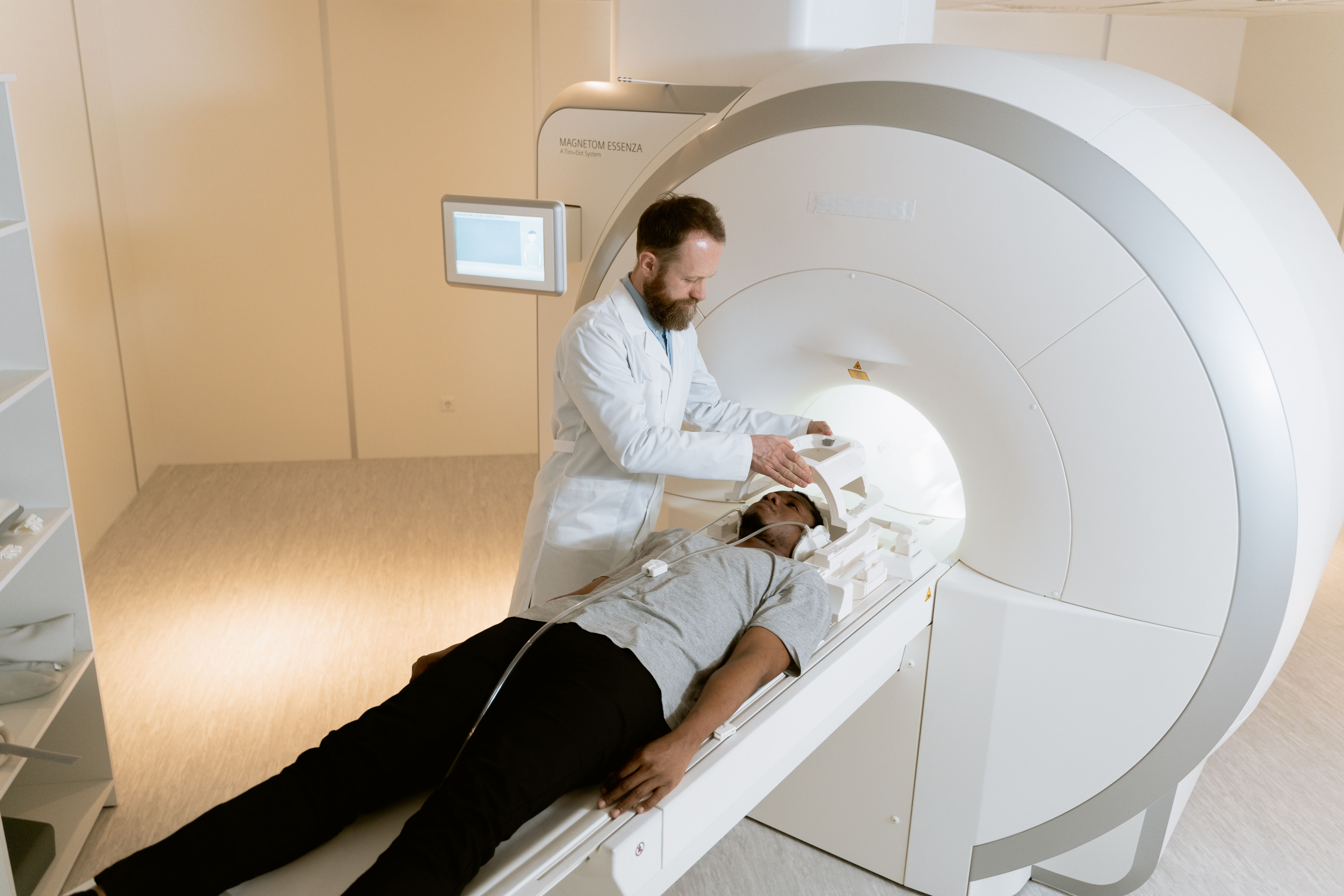
The term virtual radiology assistant comes up increasingly in imaging, but it does not have one settled meaning. Depending on context, it can refer to remote human support staff, software that assists radiology workflow, or AI-based tools that aid interpretation. This article sorts out what the term covers, how each version fits into modern radiology, and how virtual assistance relates to the broader shift toward remote radiology services.
The Three Meanings of “Virtual Radiology Assistant”
1. Remote Human Support Staff
In its most literal sense, a virtual radiology assistant is a person who supports radiology operations remotely: scheduling and coordinating studies, managing worklists, handling documentation and report distribution, or coordinating communication between sites and reading physicians. As radiology workflows have moved onto shared digital systems, much of this support work no longer needs to happen inside the facility—making remote assistants a practical staffing option, particularly for smaller centers.
2. Workflow Software
The term is also used for software that assists the radiology workflow itself: tools that prioritize worklists, route studies to the right reader, flag missing information, track turnaround, and automate routine steps in reporting. These “assistants” do not interpret images; they remove friction around interpretation so physicians and technologists spend their time on the clinical work.
3. AI-Based Interpretation Aids
Increasingly, “virtual assistant” refers to artificial-intelligence tools that support the radiologist—triaging studies by likely urgency, highlighting regions of interest, or providing preliminary measurements. These tools assist rather than replace the physician: the radiologist remains responsible for the interpretation, with AI serving as a second set of eyes or a prioritization aid. Their capabilities and regulatory status continue to evolve, so facilities adopting them should evaluate current evidence and approvals for any specific tool.
Why the Term Is Growing
All three meanings trace to the same underlying shift: radiology has become location-independent. Once images, worklists, and communication moved onto secure digital infrastructure, it stopped mattering whether the person—or system—assisting the workflow was in the building. The same shift that enabled remote interpretation and remote supervision also enabled remote assistance, in every sense of the word.
Where Virtual Assistance Fits in Remote Radiology
Virtual assistants of any kind are supporting players in a larger model. The core remote radiology services remain physician-delivered: teleradiology for interpretation and virtual contrast coverage for real-time supervision of contrast administration. Assistants—human, software, or AI—make those services run more smoothly, but the clinical responsibility sits with qualified, licensed physicians. When evaluating any remote radiology arrangement, that distinction matters: assistance can be delegated broadly; interpretation and supervision cannot.
ContrastConnect operates on the physician side of that line, providing compliant remote supervision of contrast administration. For facilities building out a remote radiology model, understanding which functions are assistance and which require a physician is the first step in structuring it correctly.
Trusted Nationwide

















.avif)




1,000,000
Contrast exams supervised annually
75,000+
Hours of supervision monthly
4,100+
Technologists certified
100s
Of imaging partners nationwide
130+
Contrast reactions treated monthly
100%
Requested hours covered
Connect with us.

