Virtual Contrast Supervision ROI: Revenue Growth, Scan Volume & Always-Available Coverage


Key Takeaways
- Virtual contrast supervision return on investment (ROI) comes from added revenue and removed costs.
- Revenue grows through four levers: extended hours, fewer canceled contrast exams, new sites in rural or underserved markets, and shared coverage that lowers the cost per study.
- Scan volume rises because one supervising radiologist can cover several rooms or sites in a shift, and ContrastConnect reports that imaging companies earn 25% more revenue after switching.
- Always-available coverage runs seven days a week for up to 18 hours a day, with last-minute activation for walk-ins and add-ons, so patients are not turned away.
- ContrastConnect gives each facility a dedicated supervising physician plus on-call backups and builds coverage around each facility's actual hours.
Why Virtual Contrast Supervision ROI Differs Between Facilities
Virtual contrast supervision ROI differs between facilities because the return depends on how much scan time a site loses to radiologist availability and what it spends to keep a physician onsite. The Centers for Medicare & Medicaid Services (CMS) made virtual direct supervision permanent as of January 1, 2026, so facilities can plan around it as a lasting coverage model rather than a temporary workaround.
Contrast study volume, current operating hours, and payer mix all affect the result, so industry averages can overstate or understate the gain for a specific site. Breaking the revenue and cost levers apart gives a more reliable picture before changing a coverage model.
ContrastConnect: Virtual Contrast Supervision That Never Misses
Built by Radiologists | 75,000+ Hours Monthly Contrast Exams | Trusted Nationwide

Built for Imaging Centers:
- Virtual Contrast Supervision: Radiologists provide immediate CMS-compliant supervision through a secure, HIPAA-compliant platform for outpatient imaging facilities.
- Unmatched Experience: 130+ contrast reactions treated monthly with 3,900+ technologists certified.
The ContrastConnect Difference:
- ✓ Radiologist-owned with superior clinical expertise
- ✓ Always-on platform with guaranteed compliance
- ✓ Audit-ready documentation for CMS reviews
- ✓ Cost-efficient alternative to onsite staffing
Safety & Compliance You Trust:
Helping imaging centers reduce cancellations, extend hours, and scale operations without adding on-site radiologists. Response times measured in seconds.
How Virtual Contrast Supervision Drives Revenue Growth

Extended Operating Hours Without Added Radiologist Headcount
Virtual contrast coverage runs scheduled and on-demand, seven days a week, including late evenings, weekends, and holidays, with options ranging from occasional blocks up to 18 hours a day.
A facility can set coverage for evenings only, daytime, weekends, or a single lunch hour, and adjust that schedule as scan demand shifts. Extending hours this way is one of the main ways facilities add scan volume after switching to virtual supervision.
Fewer Canceled or Turned-Away Contrast Exams
Contrast exams require direct physician supervision by regulation, which means a single unavailable radiologist can bump a scheduled scan to another day. That delay doesn't just cost the visit; it risks the patient rebooking somewhere else entirely.
A virtual model removes that single point of failure. Each facility gets a dedicated supervising physician plus additional physicians on call as backup, so one person's unavailability doesn't stall the whole schedule.
Opening New Sites in Rural or Underserved Areas
Rural and underserved markets often can't support a full-time onsite radiologist, which keeps contrast-enhanced imaging out of reach even when a facility has the scanner and the technologists ready to go. Virtual supervision removes that staffing bottleneck because the supervising physician never has to be in the building, just connected by live audio and video.
Lower Cost Per Study Through Shared Coverage
Shared coverage spreads a supervising physician's time across multiple facilities instead of paying one radiologist to sit onsite waiting for the next contrast patient. That structure removes several cost line items at once: commuting time, overtime and after-hours premiums, mileage reimbursement, and the administrative overhead of credentialing and scheduling independent contractors. ContrastConnect reports that these combined savings can cut a facility's annual coverage costs by up to 75%.
Where the Added Scan Volume Comes From
Added scan volume after switching to virtual supervision comes from two sources working together: new appointment slots created by longer hours, and existing slots that no longer get canceled due to supervision gaps.
A facility running five contrast studies a day that adds a 25% increase in scan volume would be adding roughly one full extra scan slot daily, which compounds meaningfully over a month of billing.
There is also a secondary gain that shows up on the reading side. Every hour a radiologist spends commuting to an onsite supervision shift is an hour not spent interpreting studies. Virtual supervision removes that commute entirely, and radiologists freed from onsite requirements redirect that time toward reading.
That increases a practice’s overall case throughput without adding reading staff, so the volume benefit extends beyond the contrast schedule itself.

What Always-Available Coverage Looks Like in Practice
Evening, Weekend, & Holiday Coverage
Virtual contrast coverage runs seven days a week, and facilities set their own windows rather than choosing from a fixed menu. One site might need evenings only to catch patients who work daytime hours; another might need full weekend coverage to handle overflow from a busier weekday schedule. Because each facility's plan is built around its own hours, a multi-site operator can run different coverage windows at different locations.
Last-Minute & Walk-In Coverage
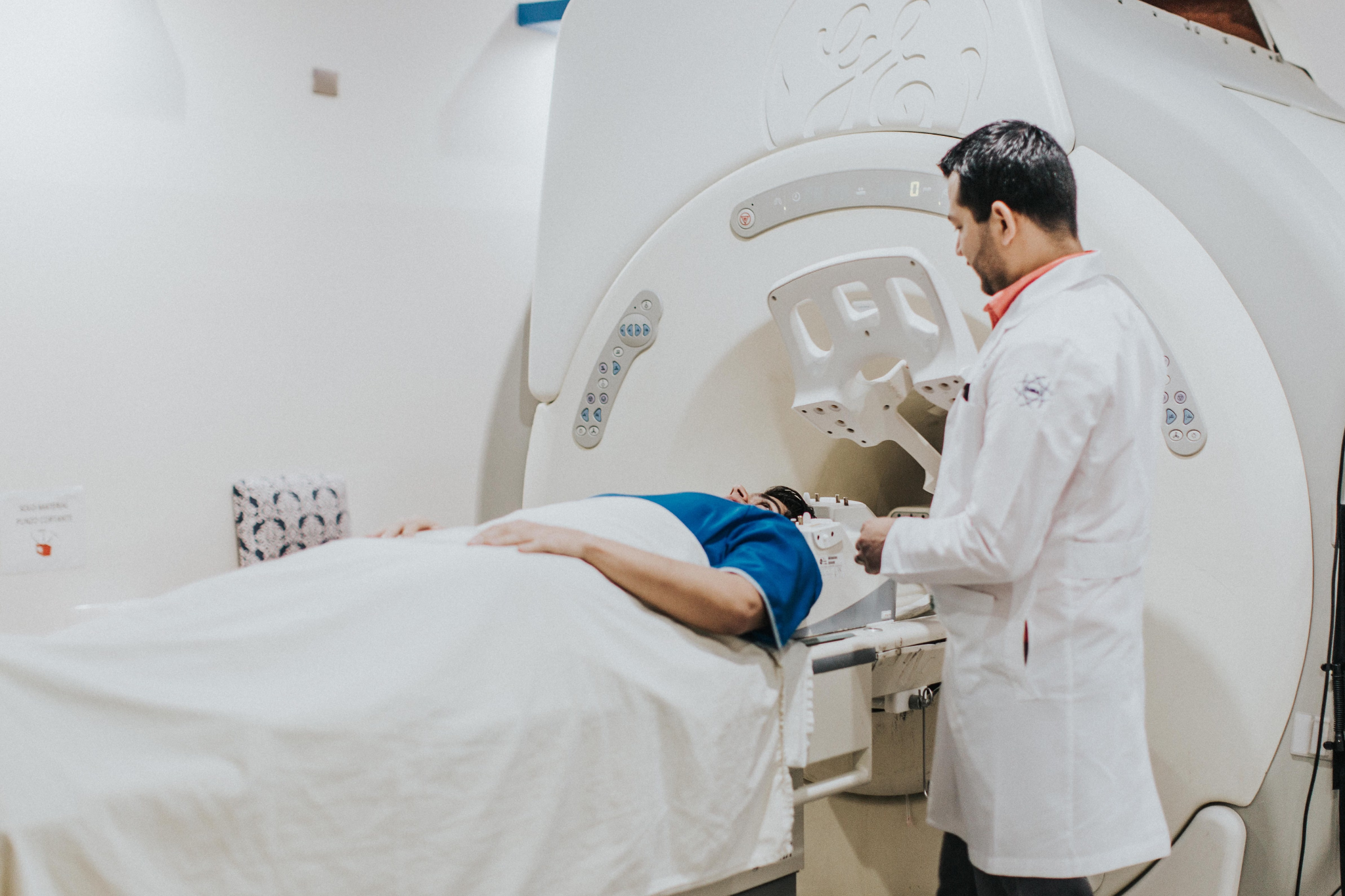
Scheduled hours only solve part of the volume problem, because contrast imaging often involves same-day add-ons that weren’t on the calendar the night before. With virtual supervision, last-minute coverage can be switched on when it’s needed, so a walk-in patient or an add-on scan ordered mid-shift doesn’t get turned away because no supervising physician is available.
Response Times When a Contrast Reaction Occurs
Response speed is the part of supervision that can't be compromised for cost savings. If a patient has a reaction to contrast media, the technologist needs a physician on the line immediately, not after a hold queue or a callback.
ContrastConnect connects a physician via live audio and video within seconds of a technologist flagging a reaction, with a system-wide record of more than 130 reactions treated monthly.
Grow Scan Volume & Revenue with ContrastConnect Virtual Supervision

Virtual contrast supervision pays off when radiologist availability no longer limits your schedule. Extended hours, fewer canceled or turned-away exams, and shared coverage each add billable scans or remove staffing costs. Because CMS made virtual direct supervision permanent in 2026, those gains rest on a compliant, long-term coverage model rather than a temporary workaround. The strongest return comes from matching coverage to the hours your patients actually want scans.
At ContrastConnect, our licensed radiologists supervise more than 85,000 contrast studies a month and cover 100% of requested hours, with audit-ready documentation for CMS reviews. Imaging companies earn 25% more revenue and cut coverage costs by up to 75% after switching. See what extended hours could add across your sites when you start your coverage assessment.
Frequently Asked Questions
How Long Does It Take to See a Return on Virtual Contrast Supervision?
The timeline depends on how quickly a facility fills its extended hours and cuts cancellations caused by supervision gaps. Each added slot is billable scan time, so the gains show up directly in scheduling and revenue reports, but there is no fixed timeline that applies to every site.
How Do I Estimate the Added Revenue From Extended Hours?
ContrastConnect’s online savings calculator estimates added revenue using facility-specific inputs, including studies per hour, reimbursement per contrast study, current coverage costs, and additional hours or scans possible per week. Entering a facility’s actual numbers produces a more accurate projection than relying on industry-wide averages.
Does CMS Recognize Remote Supervision as Direct Supervision?
Yes. Since January 1, 2026, CMS has permanently defined direct supervision to include a supervising practitioner’s presence through real-time audio and video, so remote contrast supervision meets the federal standard. Audio-only supervision does not qualify. ContrastConnect’s licensed radiologists supervise every contrast exam over live audio and video, with audit-ready documentation for CMS reviews. That keeps your facility compliant while you add hours and scan volume.
Is Virtual Contrast Supervision Permitted in My State?
It depends on where your facility operates. CMS sets the federal Medicare standard, but state licensure rules can be stricter, and facilities must meet both. Some states already recognize virtual supervision for contrast administration. Others still require on-site supervision, and several are updating their laws.
Is ContrastConnect Right for My Imaging Facility?
ContrastConnect suits facilities where radiologist availability limits how many contrast exams get done. Common signs include idle scanners in the evening, contrast exams pushed to another day because no physician is free, or a rural site that can’t justify a full-time onsite hire. Multi-site operators can also set a different coverage plan for each location.
*Note: Information provided is for general guidance only and does not constitute medical, legal, or financial advice. Pricing estimates and regulatory requirements are current at the time of writing and subject to change. For personalized consultation on imaging center operations and virtual contrast supervision, contact ContrastConnect.
Trusted Nationwide




































1,000,000
Contrast exams supervised annually
75,000+
Hours of supervision monthly
4,100+
Technologists certified
500+
Imaging partners nationwide
130+
Contrast reactions treated monthly
100%
Requested hours covered
Connect with us.

