Remote Contrast Coverage vs. Virtual Contrast Supervision: Is There a Difference?


Where the Variation Comes From
The four terms have developed in parallel because different stakeholders started using slightly different language to describe the same thing:
- Remote vs. virtual: Both words describe the same basic concept — the supervising physician is not physically on-site. “Remote” is older and more commonly used in telehealth and telecommunications contexts. “Virtual” became more prevalent after CMS began using it in official rulemaking around 2020, when the agency redefined direct supervision to permit oversight “through real-time audio and visual interactive telecommunications.” Clinicians and operators picked up both terms depending on what they had read first.
- Coverage vs. supervision: “Supervision” is the regulatory term — it is what CMS requires and what the ACR discusses in its practice parameters. “Coverage” is the operational term — it describes the scheduling and staffing function of ensuring a physician is available. Both are accurate descriptions of what a contracted service provides, just framed from different angles. A facility director might ask “who is providing our contrast coverage this weekend?”; a compliance officer is more likely to ask “how is direct supervision being documented?”
The bottom line: Remote contrast coverage, remote contrast supervision, virtual contrast coverage, and virtual contrast supervision all describe the same thing. The term that appears in CMS rules and ACR guidelines is “direct supervision” provided through real-time audio-visual technology. All four phrases are ways of describing that arrangement in plain language.
The Four Terms at a Glance

What the CMS Rule Actually Says
The permanent CMS rule effective January 1, 2026 made virtual direct supervision the legal equivalent of in-person supervision for Level 2 diagnostic tests, including contrast-enhanced CT and MRI. The rule does not use the phrase “remote contrast supervision” or “virtual contrast coverage.” What it specifies is that the supervising physician must be “immediately available” through “real-time audio and visual interactive telecommunications.”
In plain terms, this means:
- A qualified physician must be available via a live, two-way video and audio connection during contrast administration
- That physician must be able to see the patient and communicate directly with the technologist in real time
- If an adverse event occurs, the physician must be able to direct an immediate response
- Documentation of the supervision method, the supervising physician's identity, and any clinical interactions is required for Medicare reimbursement
Whether you call this arrangement “remote contrast coverage” or “virtual contrast supervision” has no bearing on whether it meets the CMS standard. What matters is the substance of the arrangement: real-time physician availability, compliant technology, and systematic documentation.
What Actually Differs Between Providers — and What to Evaluate
Because the terminology varies, it is worth being specific about what actually differs between contracted supervision arrangements. The labels do not matter. These five things do:
1. Coverage fulfillment guarantees
Does the service commit to covering 100% of your contracted hours, and what happens when the scheduled physician is unavailable? A physician bench that can absorb individual unavailability without interrupting your schedule is a structural difference between providers, not a branding one.
2. Physician qualifications and credentialing
CMS requires that the supervising physician be trained in the specific procedure being performed. For contrast-enhanced CT and MRI, this generally means a radiologist or a physician who has been appropriately credentialed for contrast supervision. Confirm the qualification standards your provider applies to its physician network.
3. Technologist training support
The on-site technologist executes the clinical response under physician direction. Their preparation — contrast reaction recognition, emergency protocols, BLS certification — is part of the safety architecture of virtual supervision. Providers who actively support technologist certification contribute meaningfully to the program’s clinical integrity.
4. Documentation and audit readiness
Automatic session documentation that captures the supervising physician’s identity, connection time, and any clinical communications is what makes a virtual supervision program audit-ready. Manual documentation processes introduce gaps. Ask what the documentation output looks like and how it is stored.
5. State-specific compliance
Federal CMS rules set the floor. Several states — including California (AB 460) and Washington (HB 2113) — have enacted additional legislation governing virtual contrast supervision. A provider operating in multiple states should be able to confirm compliance with the specific requirements in each jurisdiction.
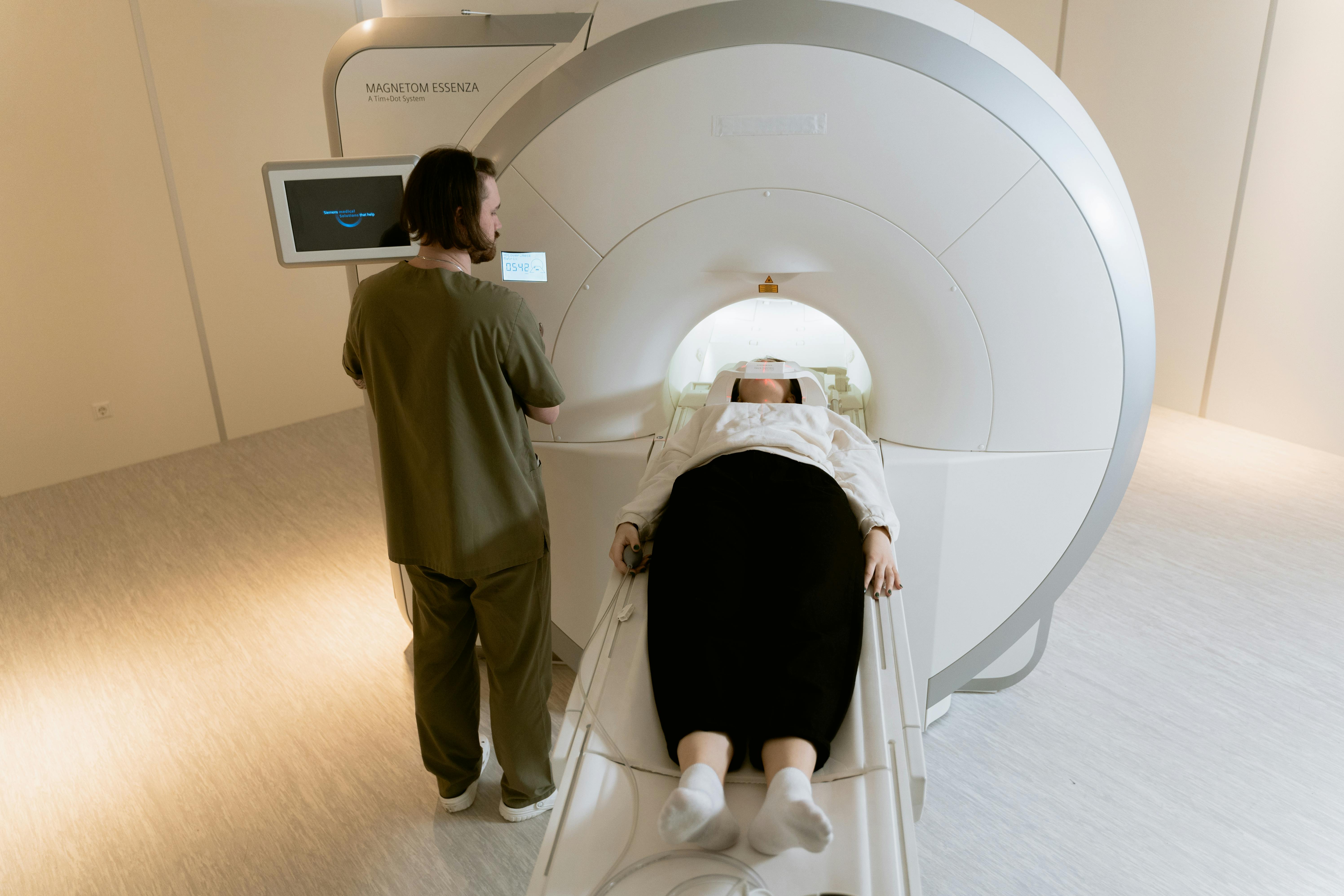
The Term Is Not the Decision
Remote contrast coverage, remote contrast supervision, virtual contrast coverage, virtual contrast supervision — any of these phrases may appear in a vendor proposal, a compliance memo, a state law, or a CMS rule. They all describe the same model. The terminology reflects where the writer came from, not a meaningful difference in what is being offered.
The decision worth making is not which term to use, but whether the arrangement behind the term is substantively compliant, clinically sound, and operationally reliable. ContrastConnect’s virtual supervision model is built to satisfy all three — across every hour your facility operates.
Trusted Nationwide































.avif)




1,000,000
Contrast exams supervised annually
75,000+
Hours of supervision monthly
4,100+
Technologists certified
500+
Imaging partners nationwide
130+
Contrast reactions treated monthly
100%
Requested hours covered
Connect with us.

