Labs Needed for CT with Contrast: Requirements Explained

Key Takeaways
- Pre-contrast laboratory testing identifies patients at risk for contrast-induced acute kidney injury (CI-AKI), a potentially serious complication that can lead to prolonged hospitalization or permanent kidney damage in vulnerable patients.
- Estimated glomerular filtration rate (eGFR) has replaced absolute creatinine values as the standard for assessing kidney function, with eGFR at or above 45 mL/min/1.73 m² indicating no increased risk, 30 to 44 indicating low risk, and below 30 signaling significant risk that warrants clinical discussion.
- Lab timing requirements vary by risk level: 30 days for low-risk outpatients, 7 to 14 days for high-risk patients with diabetes or chronic kidney disease, and within one week for hospitalized individuals.
- High-risk groups, including diabetic patients with chronic kidney disease, elderly patients over 75, those with heart failure, and patients receiving nephrotoxic medications, require specialized protocols such as extended hydration and post-procedure monitoring.
- ContrastConnect provides CMS-compliant virtual contrast supervision for imaging facilities nationwide, helping maintain consistent safety protocols and audit-ready documentation across multiple sites with qualified radiologists supervising 75,000+ contrast exam hours monthly.
What Labs Are Needed for CT with Contrast?
The primary lab needed for CT with contrast is the estimated glomerular filtration rate (eGFR), which has largely replaced absolute creatinine values as the standard for evaluating kidney function before contrast studies.
The eGFR calculation uses the CKD-EPI equation recommended by the National Kidney Foundation, converting serum creatinine into a standardized value measured in mL/min/1.73 m². Current ACR/NKF thresholds categorize risk as follows: eGFR at or above 45 indicates no increased risk from contrast, 30 to 44 indicates low risk where prophylactic hydration may be considered, and below 30 signals significant risk warranting radiologist-clinician discussion.
For multi-site imaging facilities navigating pre-contrast assessment requirements, ContrastConnect provides virtual contrast supervision from qualified radiologists supported by experience across 75,000+ monthly contrast exam hours and 130+ reactions treated each month.
ContrastConnect: Virtual Contrast Supervision That Never Misses
Built by Radiologists | 75,000+ Hours Monthly Contrast Exams | Trusted Nationwide

Built for Imaging Networks:
- Virtual Contrast Supervision: Radiologists provide immediate CMS-compliant supervision through a secure, HIPAA-compliant platform for outpatient facilities and hospital networks.
- Unmatched Experience: 130+ contrast reactions treated monthly with 3,900+ technologists certified.
The ContrastConnect Difference:
- ✓ Radiologist-owned with superior clinical expertise
- ✓ Always-on platform with guaranteed compliance
- ✓ Audit-ready documentation for CMS reviews
- ✓ Cost-efficient alternative to onsite staffing
Safety & Compliance You Trust:
Helping imaging centers reduce cancellations, extend hours, and scale operations without adding on-site radiologists. Response times measured in seconds.
Critical Lab Tests Required Before Contrast CT Scans
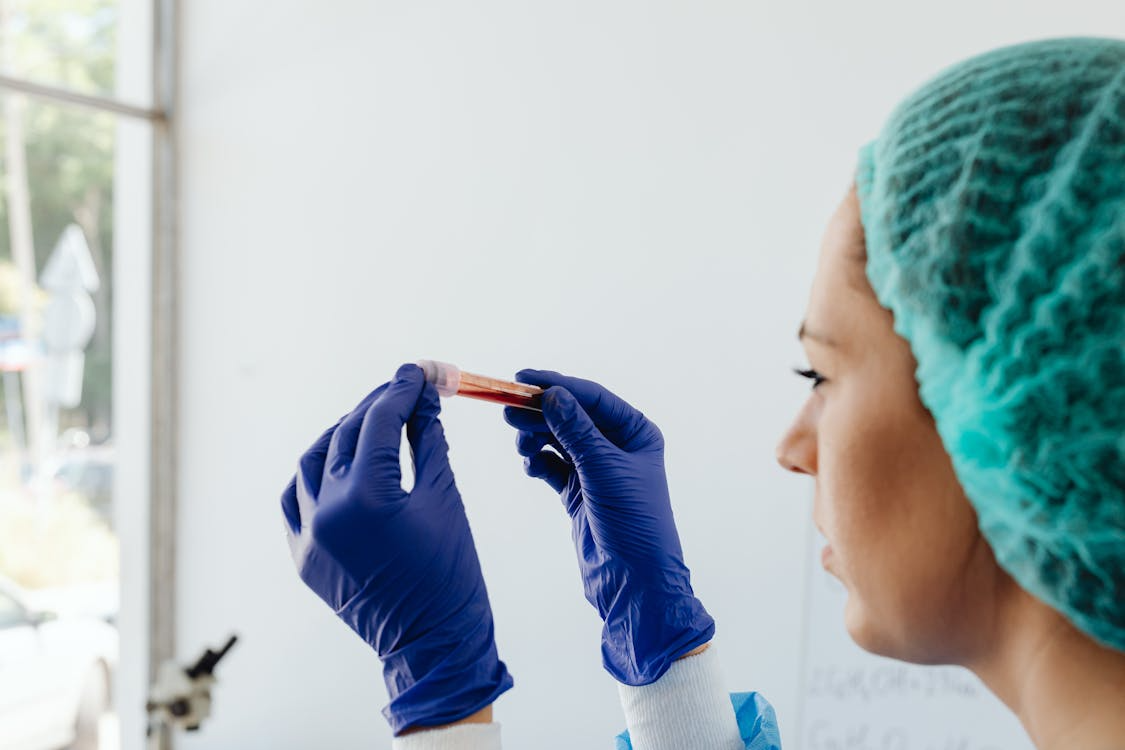
BUN & Creatinine: The Primary Kidney Function Markers
Blood Urea Nitrogen (BUN) and serum creatinine serve as fundamental laboratory values for assessing kidney function. Creatinine, a waste product from muscle metabolism, provides a more reliable indicator. BUN fluctuates with hydration status and protein intake, making it less specific as a standalone marker.
Most imaging facilities require serum creatinine measurement within a specified timeframe before contrast administration. Typically, 30 days for outpatients without risk factors and within one week for hospitalized patients. High-risk individuals (those with diabetes, known kidney disease, or advanced age) often require more recent values, sometimes within 7 days of the scheduled procedure.
eGFR (Estimated Glomerular Filtration Rate)
Estimated Glomerular Filtration Rate (eGFR) has largely replaced absolute creatinine values as the standard for evaluating kidney function before contrast studies. This calculated value accounts for variables affecting creatinine production and elimination, including age and sex, providing a more accurate assessment than creatinine alone.
The eGFR calculation employs validated formulas, with the CKD-EPI (Chronic Kidney Disease Epidemiology Collaboration) equation now recommended by the National Kidney Foundation. These formulas convert serum creatinine to a standardized assessment, measured in mL/min/1.73 m².
Current ACR/NKF guidelines categorize risk by eGFR thresholds: values at or above 45 mL/min/1.73 m² indicate no increased risk from contrast, while eGFR between 30–44 mL/min/1.73 m² indicates low risk, with prophylactic hydration considered in high-risk circumstances. An eGFR below 30 signals significant risk, warranting radiologist-clinician discussion and potential nephrology consultation.
When Additional Lab Work Might Be Necessary
While BUN, creatinine, and eGFR form the foundation of pre-contrast assessment, certain scenarios warrant expanded evaluation. In suspected myeloma or paraproteinemia, where contrast may precipitate kidney injury through various mechanisms, serum protein electrophoresis may be indicated.
Patients taking metformin require consideration. Not because metformin interacts directly with contrast, but because contrast-induced kidney injury could impair metformin clearance, risking drug accumulation and lactic acidosis. However, the current ACR/NKF guidelines note that for patients with stable eGFR ≥30 and no acute kidney injury, routine discontinuation of metformin before or after IV contrast is no longer required.
How Recent Must Lab Work Be?

The timeliness of laboratory assessment depends on clinical stability and risk profile. For stable outpatients without known risk factors, most facilities accept values obtained within 30 days. This window narrows for patients with risk factors or clinical instability, often to 7–14 days.
Hospitalized patients typically require laboratory assessment within 1 week, given the potential for changes in kidney function due to acute illness, medications, or procedures. For patients with known acute kidney injury or rapidly changing renal function, same-day testing is appropriate.
Emergency situations present unique challenges in which diagnostic urgency must be balanced against potential contrast-related risks. In truly emergent cases, such as trauma, stroke, or suspected pulmonary embolism, contrast may be administered without recent laboratory values when the risk of delayed diagnosis outweighs potential complications.
How to Prepare for Your Pre-CT Lab Work
When to Schedule Your Labs
Schedule kidney function tests before your planned CT scan to allow time for processing of results and clinical decision-making. For routine outpatient examinations, most facilities accept labs obtained within 30 days for low-risk patients, while high-risk patients may need labs within 1 to 2 weeks of their scheduled scan date. This timing provides sufficient opportunity to implement alternative protocols if results indicate increased risk.
For inpatients or urgent cases, same-day testing may be performed using point-of-care devices, though this approach may create logistical challenges and could delay care if results necessitate protocol modifications. Many healthcare systems now incorporate automated laboratory ordering into the CT scheduling process, helping ensure appropriate timing without requiring additional patient coordination.

Hydration Requirements
Proper hydration before laboratory testing helps ensure accurate assessment of kidney function. Dehydration can artificially elevate creatinine levels, potentially leading to unnecessary delays or cancellations of scans.
Aim to consume a normal amount of fluids (typically 6 to 8 glasses of water) during the 24 hours before your blood draw. Avoid strenuous exercise for 24 to 48 hours before testing, as intense physical activity can temporarily increase creatinine levels without reflecting true kidney function.
Medication Considerations Before Testing
Continue taking most routine medications before laboratory testing unless your healthcare provider specifically instructs otherwise. Certain medications, like diuretics, can affect kidney function results, but stopping them without medical guidance could be harmful. Instead, make sure your provider knows all medications you're taking when interpreting results.
For patients taking metformin who require contrast, current guidelines have evolved significantly. For most patients with adequate kidney function and no signs of acute kidney injury, routine discontinuation of metformin is no longer required.
However, patients with reduced kidney function or other risk factors may receive specific instructions to temporarily hold this medication and undergo follow-up kidney function testing. Your physician will provide guidance based on your individual health status.
Get Expert Contrast Administration with ContrastConnect
Thorough pre-contrast laboratory assessment is essential for safe CT imaging, helping identify patients at risk of kidney-related complications while supporting efficient workflows. For imaging facilities managing multiple locations, maintaining consistent eGFR screening, documentation, and high-risk patient protocols can be challenging due to staffing shortages, varying practices, and evolving regulatory requirements.
ContrastConnect helps outpatient imaging centers and hospital networks address these challenges with CMS and ACR-compliant virtual contrast supervision delivered by qualified radiologists. Backed by experience across 75,000+ monthly contrast exam hours and 130+ reactions treated each month, our secure, HIPAA and HITECH-compliant platform provides standardized clinical oversight, audit-ready documentation, and reliable coverage that helps facilities extend service hours, expand to new locations, and reduce contrast exam cancellations. Partner with ContrastConnect for consistent, safe contrast administration.
Frequently Asked Questions (FAQs)
How long before a CT scan should you get labs done?
For outpatients without risk factors, most facilities accept lab values within 30 days of the examination. Patients with diabetes, hypertension, kidney disease, or over age 60 typically require testing within 7–14 days. Inpatient protocols are more stringent, generally requiring labs within one week due to the potential for acute changes during hospitalization.
Can you get lab work and a CT scan on the same day?
Yes. Many facilities offer point-of-care creatinine testing with results available within minutes. The main limitation is contingency planning. If results fall outside acceptable parameters, there's limited time to implement hydration protocols or arrange alternative imaging.
What happens if you've had contrast before without problems?
Prior uneventful contrast administration doesn't eliminate the need for current assessment. Kidney function can change due to aging, medications, or new conditions. However, patients with an extensive history of uncomplicated studies and stable labs may qualify for modified protocols at some facilities.
Can I improve my kidney function before a contrast CT?
Kidney function cannot be significantly improved in the short term, but you can optimize your status: increase your oral fluid intake for 24–48 hours beforehand (unless contraindicated), and discuss temporarily discontinuing nephrotoxic medications such as NSAIDs with your physician. Patients with borderline function may receive IV hydration protocols before and after contrast administration.
How does ContrastConnect support imaging centers performing contrast X-rays?
ContrastConnect delivers real-time virtual contrast supervision that meets CMS and ACR requirements through a secure, HIPAA-compliant platform. Our radiologists supervise tens of thousands of contrast exams each month, bringing unmatched clinical experience to every study, including routine management of contrast reactions.
Facilities partnering with ContrastConnect can expand coverage to evenings and weekends, eliminate scan cancellations due to staffing gaps, and maintain audit-ready documentation without the burden of recruiting on-site radiologists.
*Note: Information provided is for general guidance only and does not constitute medical, legal, or financial advice. Pricing estimates and regulatory requirements are current at the time of writing and subject to change. For personalized consultation on imaging center operations and virtual contrast supervision, contact ContrastConnect.
Trusted Nationwide






























.avif)




1,000,000
Contrast exams supervised annually
75,000+
Hours of supervision monthly
4,100+
Technologists certified
500+
Imaging partners nationwide
130+
Contrast reactions treated monthly
100%
Requested hours covered
Connect with us.

