Contrast Scan Capacity Planning: Coverage Hours, Staffing & Revenue Forecasting


Key Takeaways
- Contrast scan capacity planning matches bookable appointment slots to documented supervision coverage, real staffing availability, and forecast demand, measured by site, modality, day, and time.
- Coverage hours count only the time a qualified supervisor is immediately available, so they often fall short of operating hours, especially around shift handoffs and breaks.
- Staffing should be sized around peak concurrent contrast administrations, because a cluster of injections in one 90-minute window strains supervisor response more than a steady daily average does.
- Revenue forecasts should count completed, collectible exams adjusted for payer mix, denials, and cancellations, not nominal scanner capacity or gross charges.
- At ContrastConnect, we provide virtual contrast supervision with response times in seconds and audit-ready documentation, helping imaging centers add bookable contrast hours without hiring on-site radiologists.
What Should You Consider in Contrast Scan Capacity Planning?
Key areas in contrast scan capacity planning include coverage hours, staffing, and revenue. Coverage hours show when a qualified supervisor is available, staffing should match busy windows, and revenue should be forecast from completed exams. Scanner count matters less than expected, since contrast studies only run safely during supervised hours.
A capacity plan built around supervision fixes problems that equipment-based plans miss. It shows which hours have patient demand but no supervisor, prevents overbooking during busy windows, and cuts the cancellations that send referrals elsewhere. It also shows where adding supervised hours would turn existing demand into completed exams.
Under the Centers for Medicare & Medicaid Services (CMS) 2026 Physician Fee Schedule, direct supervision for covered diagnostic tests can now be delivered permanently through real-time audio and video.
At ContrastConnect, we use this model to provide remote contrast supervision from licensed, practicing radiologists, making coverage hours adjustable rather than fixed.
ContrastConnect: Virtual Contrast Supervision That Never Misses
Built by Radiologists | 75,000+ Hours Monthly Contrast Exams | Trusted Nationwide

Built for Imaging Centers:
- Virtual Contrast Supervision: Radiologists provide immediate CMS-compliant supervision through a secure, HIPAA-compliant platform for outpatient imaging facilities.
- Unmatched Experience: 130+ contrast reactions treated monthly with 3,900+ technologists certified.
The ContrastConnect Difference:
- ✓ Radiologist-owned with superior clinical expertise
- ✓ Always-on platform with guaranteed compliance
- ✓ Audit-ready documentation for CMS reviews
- ✓ Cost-efficient alternative to onsite staffing
Safety & Compliance You Trust:
Helping imaging centers reduce cancellations, extend hours, and scale operations without adding on-site radiologists. Response times measured in seconds.
Why Revenue Forecasting Belongs in Contrast Scan Capacity Planning
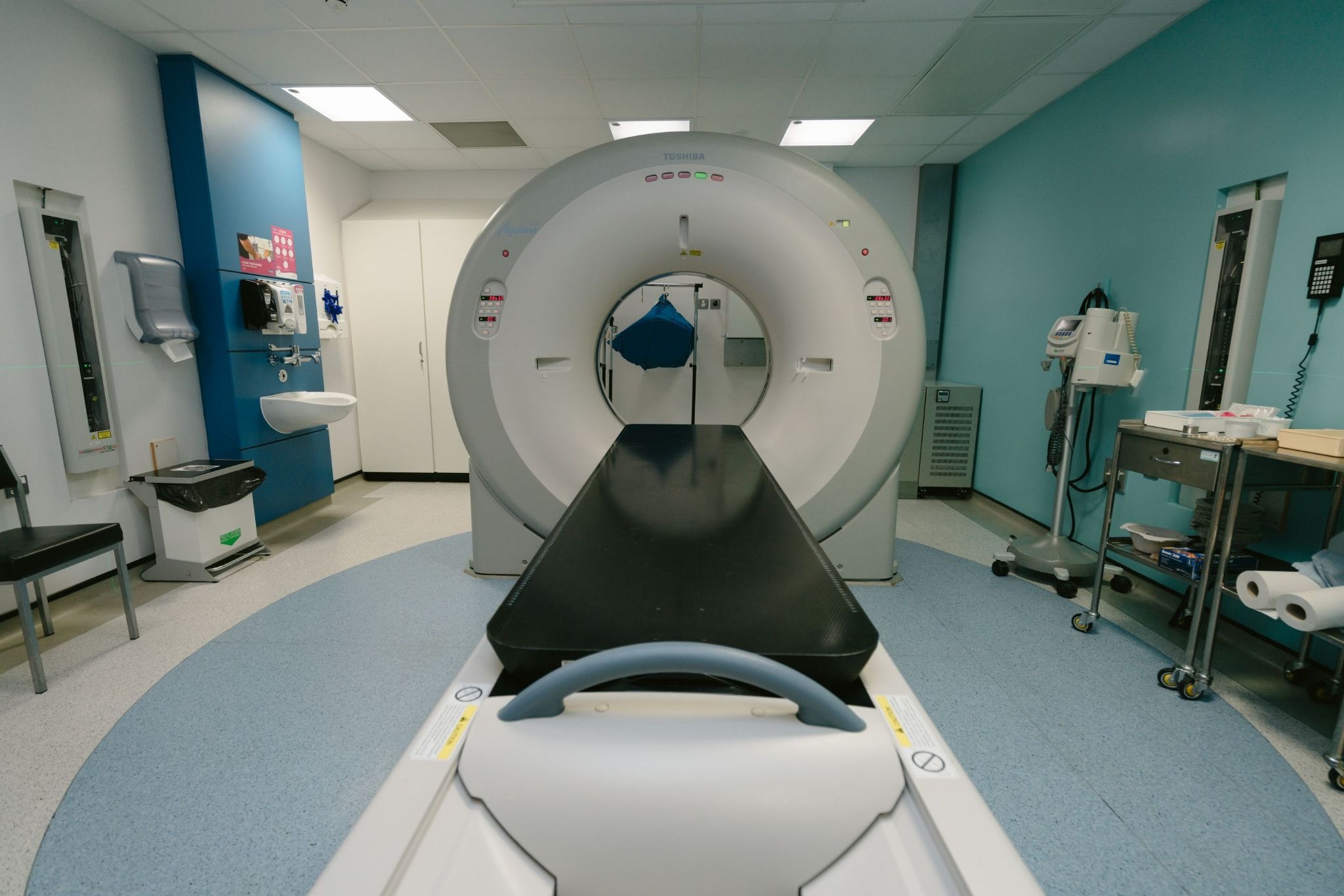
Revenue forecasting matters in capacity planning because an open appointment slot isn't the same as money in the bank. A slot becomes revenue only after it is scheduled, completed, billed, and collected, and each step can leak volume along the way. Centers that forecast revenue using scheduled exams or gross charges, instead of completed and collectible exams, can significantly overstate how much a capacity expansion will actually earn.
Breaking the math into different areas keeps the forecast honest:
- Gross expected billings: forecast completed examinations by code or service category, multiplied by the applicable charge or modeled allowed amount.
- Expected collections: gross billings adjusted for payer mix, contractual allowances, denials, and patient collections.
- Incremental contribution: incremental collections minus the added variable costs and any new coverage or staffing expense.
- Net financial impact: incremental contribution minus implementation, technology, and training costs.
This approach is also the right way to think about the revenue case for clearing a contrast coverage backlog. A backlog represents demand that already exists but cannot currently be completed because supervision, staffing, or scheduling capacity is missing somewhere in the chain.
Addressing the backlog (whether through added coverage hours, better scheduling, or additional supervision capacity) can convert more of that existing demand into completed, billable exams rather than cancellations or referrals sent elsewhere. The size of that benefit depends on exam mix, payer mix, and collection rates at each site, so model it rather than assume it.
Because so many of these inputs are uncertain, building a single forecast number is less useful than building a range. A conservative, base, and high-demand case, with clearly documented assumptions about demand growth, slot fill, completion rate, payer mix, and coverage cost, gives decision-makers a realistic picture of how a capacity change might affect the bottom line without promising a specific outcome.
Mapping Coverage Hours & Staffing
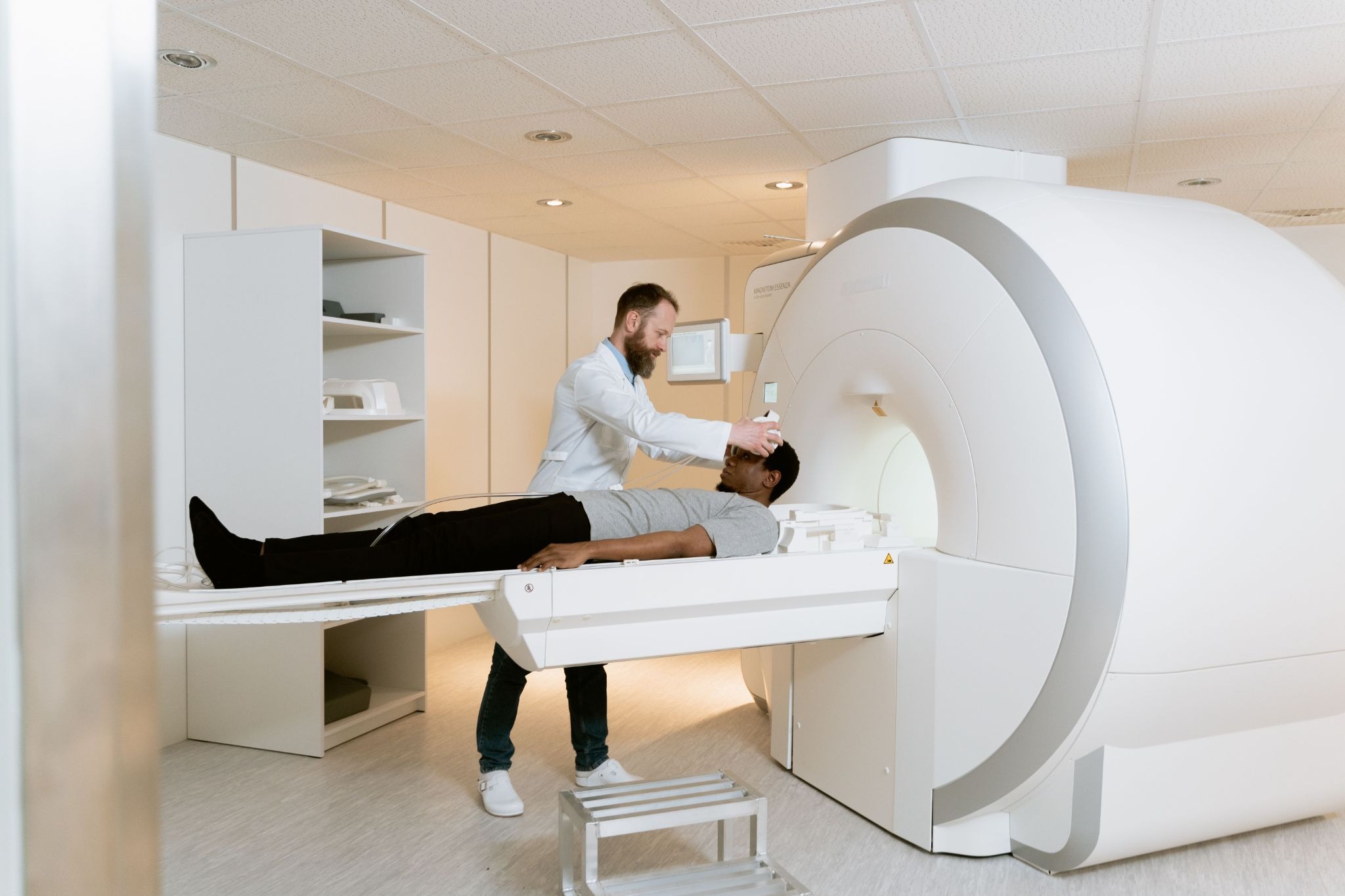
Coverage hours and staffing are often planned as separate line items, but they're two views of the same constraint: whether a qualified supervisor is immediately available when a contrast administration is scheduled.
Mapping them together starts with 12 months of timestamped scheduling and completion data, broken out by site, modality, day of week, time of day, and season. That dataset lets administrators calculate an operating-hour coverage rate (supervised contrast hours divided by hours the facility is open for contrast procedures) and a covered-slot completion rate (completed contrast studies divided by scheduled contrast slots during covered hours).
The staffing side of this map should focus on peak concurrency rather than average daily volume. A multi-site center might average 30 contrast scans per day, but if eight land in the same 90-minute window at one site, that window, not the daily average, is the real staffing constraint.
The American College of Radiology links direct supervision to physician communication, reaction-management competence, and timely emergency response. So, a staffing plan must account for how quickly a supervisor or local team can respond during that peak window, not whether someone is nominally on shift.
A few planning practices help keep this mapping accurate instead of theoretical:
- Deducting leave, training, meetings, administrative duties, and handoffs from paid hours to estimate actual productive availability.
- Tracking uncovered hours that overlap with real demand separately from uncovered hours with no scheduling activity.
- Reserving contingency capacity instead of scheduling every coverage hour at theoretical maximum utilization.
- Specifying what happens during breaks, shift handoffs, supervisor unavailability, platform outages, or connectivity failures.
Once you map coverage hours and staffing concurrency against the same demand data, the capacity gap becomes a specific, addressable number rather than a general sense that the schedule feels tight. That gap also determines whether the right fix is extending coverage hours, adjusting shift overlap, or bringing in additional supervision capacity for peak windows rather than across the whole day.
Remote contrast supervision lets facilities add coverage to peak windows only, instead of staffing an on-site radiologist for the full day. Because the CMS 2026 rule permanently allows direct supervision through real-time audio and video, centers can place virtual contrast coverage exactly where the capacity map shows a gap.
Extend Contrast Scan Capacity With ContrastConnect

Contrast scan capacity planning works best when you measure coverage hours, peak staffing, and revenue forecasts against the same demand data. Coverage that misses busy windows and forecasts built on scheduled slots both overstate what a facility can deliver. Measuring them together shows whether the fix is a schedule change, a new hire, or more supervision.
We give outpatient imaging centers remote contrast supervision from licensed, practicing radiologists, extending bookable hours into evenings, weekends, and peak windows without hiring on-site radiologists. Our team supervises 1,000,000 contrast exams annually with a documented record of zero missed responses, and our standardized, proven reaction-management protocols and compliance support help you complete more of the scans already on your schedule. Start your coverage assessment with ContrastConnect today.
Frequently Asked Questions (FAQs)
Is virtual contrast supervision available on evenings and weekends?
Availability varies by provider, so check which hours a coverage plan includes before opening new contrast slots. ContrastConnect covers 100% of requested hours, including evenings, weekends, and holidays. A supervising radiologist connects in real time.
Does virtual contrast supervision work with an on-site technologist?
Yes. Virtual contrast coverage relies on qualified on-site personnel to administer contrast and manage the patient directly, while the supervising radiologist is available remotely through real-time audio-and-visual communication on a compliant platform for physician-level oversight and reaction management if needed.
Can virtual supervision replace an on-site radiologist for contrast scans?
Virtual contrast supervision can satisfy direct supervision requirements under the applicable federal rule when delivered through real-time audio-and-visual telecommunications, not audio-only. Whether it fully replaces an on-site radiologist depends on state law, payer rules, and facility policy, which should be confirmed alongside the federal standard.
Why should imaging centers consider virtual contrast supervision?
Virtual contrast supervision lets imaging centers extend coverage hours and reduce concurrency strain without hiring additional on-site radiologists for every shift. For centers facing scheduling backlogs or looking to open new hours, it converts a fixed staffing constraint into a more flexible coverage model.
Does ContrastConnect provide virtual contrast supervision?
Yes. ContrastConnect is a radiologist-owned company that provides virtual contrast supervision as its core service, along with compliance and regulatory coverage, and patient safety and reaction management, built specifically for outpatient imaging providers managing contrast scan demand.
*Note: Information provided is for general guidance only and does not constitute medical, legal, or financial advice. Pricing estimates and regulatory requirements are current at the time of writing and subject to change. For personalized consultation on imaging center operations and virtual contrast supervision, contact ContrastConnect.
Trusted Nationwide




































1,000,000
Contrast exams supervised annually
75,000+
Hours of supervision monthly
4,100+
Technologists certified
500+
Imaging partners nationwide
130+
Contrast reactions treated monthly
100%
Requested hours covered
Connect with us.

