CEUS Reaction Rate: Frequency & Management Explained


Key Takeaways
- CEUS is a highly safe imaging modality with very low rates of serious adverse reactions, making it suitable for both adult and pediatric populations when proper monitoring is in place.
- Pediatric patients may show slightly higher reaction rates than adults, but most reactions are mild and resolve quickly, reinforcing the procedure’s overall safety profile.
- Early recognition and management of reactions, supported by proper staff training, monitoring equipment, and emergency protocols, are critical to patient safety.
- High-risk patients, including those with prior contrast reactions, allergies, or specific medical conditions, require additional precautions, pre-screening, and potentially premedication, but CEUS remains manageable with proper preparation.
- ContrastConnect ensures safe, compliant, and scalable virtual contrast supervision, providing expert support, continuous coverage, and audit-ready documentation across multiple imaging sites.
The Real CEUS Reaction Risk: Just How Common Are Adverse Events?
When patients ask about CEUS safety, clear data matters. Across large safety studies, the risk of adverse reactions is very low, especially compared with other contrast-enhanced imaging modalities. In adults, serious adverse events occur in fewer than 0.01% of cases, positioning CEUS among the safest contrast-based imaging techniques in modern practice.
Pediatric CEUS: Overall Incidence Rates
Pediatric contrast-enhanced ultrasound has been widely studied and demonstrates a strong safety profile. A review of published pediatric-only CEUS studies covering 4,518 children and 4,906 intravenous examinations found that adverse events were uncommon and predominantly non-serious.
Serious adverse events occurred in approximately 0.22% of children and 0.20% of examinations, while non-serious reactions were reported in 1.20% of children and 1.10% of examinations, typically resolving without intervention. Additional studies of intravesical CEUS in over 12,000 children reported only rare, mild adverse events, largely attributed to catheterization rather than the contrast agent.
Overall, available evidence confirms that pediatric CEUS is well tolerated, with serious reactions remaining rare across clinical applications.
Adult Reaction Rates
Ultrasound contrast agents (UCAs) are generally very well tolerated in adults, with most side effects being mild, such as headache or nausea. Large-scale studies involving over 100,000 patients have shown that serious adverse reactions are extremely rare, occurring in approximately 1 in 10,000 patients, with no fatalities reported.
For context, the risk of life-threatening reactions with UCAs is far lower than with low-osmolar iodinated contrast media. Severe anaphylactoid reactions to low-osmolar iodinated contrast occur in approximately 1 in 2,500 patients, and fatal reactions are estimated at 1 in 170,000. Most serious reactions, when they do occur, develop within 30 minutes of injection.
ContrastConnect: Virtual Contrast Supervision That Never Misses
Built by Radiologists | Trusted Nationwide | 55,000+ Monthly Contrast Exams

Built for Imaging Networks:
- Virtual Contrast Supervision: Radiologists provide immediate CMS-compliant supervision through a secure, HIPAA-compliant platform for outpatient facilities and hospital networks.
- Unmatched Experience: Averaging 5–10 contrast reactions daily with documented zero missed responses for 200+ imaging partners.
The ContrastConnect Difference:
- ✓ Radiologist-owned with superior clinical expertise
- ✓ Always-on platform with guaranteed compliance
- ✓ Audit-ready documentation for CMS reviews
- ✓ Cost-efficient alternative to onsite staffing
Safety & Compliance You Trust:
Helping imaging centers reduce cancellations, extend hours, and scale operations without adding on-site radiologists. Response times measured in seconds.
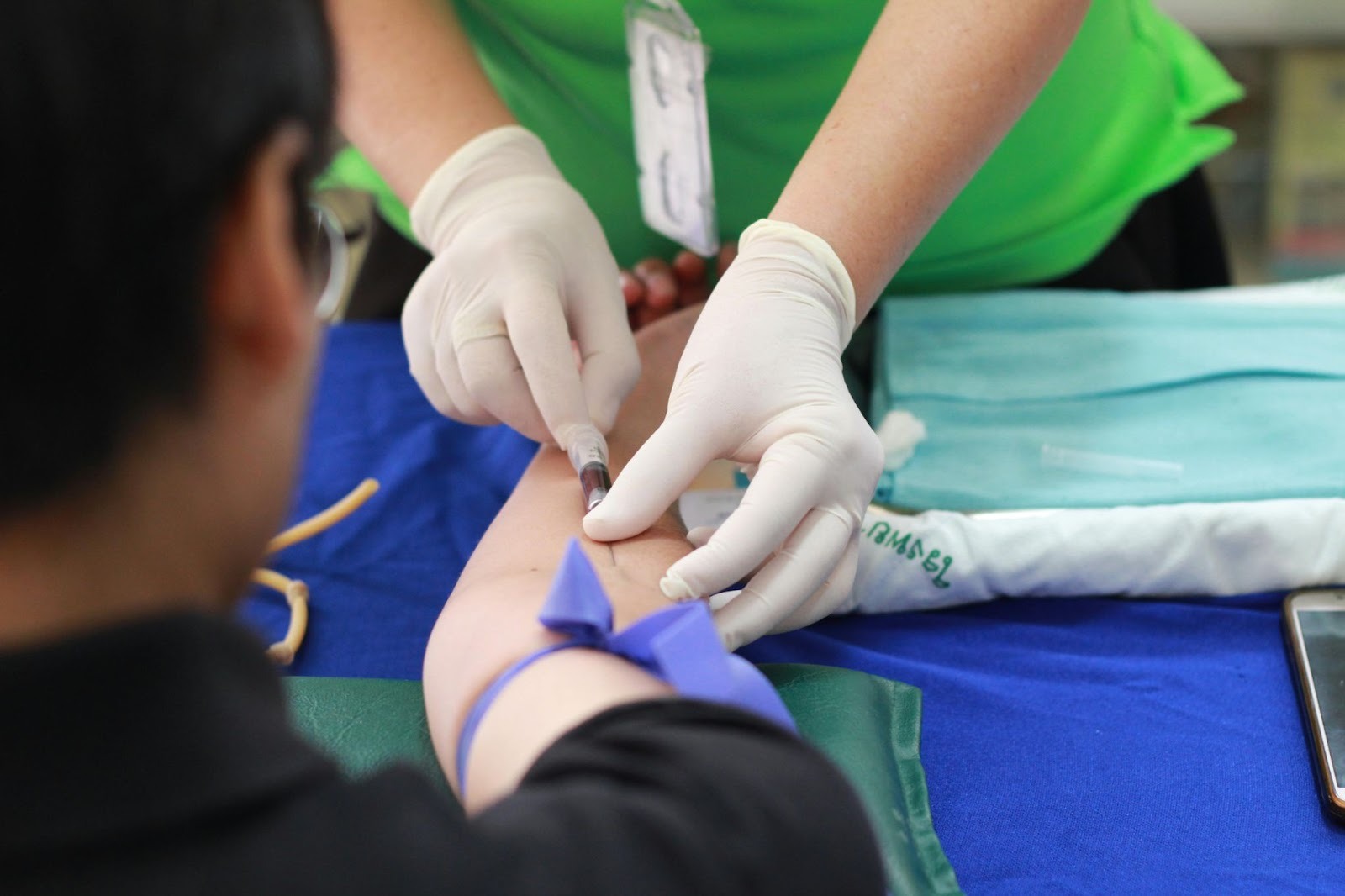
Recognizing CEUS Reactions When They Occur
Prompt recognition of contrast reactions is essential for safe CEUS practice. Practitioners and staff should be familiar with the range of possible reactions and maintain vigilance from the moment of contrast administration through post-procedure monitoring, with particular attention during the initial minutes.
Mild Reactions
Most reactions are mild and resolve on their own. Symptoms may include transient changes in taste, warmth, headache, nausea, dizziness, flushing, or minor injection-site discomfort. While these reactions are generally self-limiting, documenting them is important for guiding future imaging decisions, informing patient counseling, and contributing to overall safety monitoring.
Moderate Reactions
Moderate reactions require prompt attention and active management. Staff should be prepared to stop the procedure, provide supportive medications, and closely monitor vital signs until symptoms resolve. Detailed documentation of symptom onset, progression, and interventions helps inform future patient care and ensures adherence to institutional safety protocols.
Severe Reactions
Severe reactions are rare but potentially life-threatening, often involving multiple organ systems such as respiratory or cardiovascular compromise. Rapid recognition and immediate activation of emergency response protocols are critical. Resuscitation equipment and trained personnel should always be available whenever CEUS is performed, regardless of how infrequent severe events may be.
Timing of Reactions
Reactions typically occur shortly after contrast administration, making the first few minutes the most critical for observation. Post-procedure monitoring should continue for an appropriate period to ensure patient safety, with staff maintaining vigilance for any emerging symptoms throughout the observation window.
High-Risk Patient Identification
Identifying patients at higher risk for CEUS reactions is essential for safe practice. While reactions are rare, certain populations require additional precautions, careful consent discussions, or consideration of alternative imaging or premedication when CEUS is indicated.
Prior Allergic History
A history of allergic reactions to any contrast agent is the strongest predictor of future reactions. Patients with prior reactions to UCAs or other contrast media warrant careful assessment, with prior anaphylaxis generally considered a contraindication to repeat use of the same agent. Individuals with multiple drug allergies, asthma, or atopic conditions may also have an increased risk and should be screened carefully before CEUS administration.
PEG Allergy Considerations
Allergy to polyethylene glycol (PEG), a component in some UCAs, has emerged as an important risk factor. Screening should include prior reactions to PEG-containing medications, laxatives, or certain vaccines. For patients with known PEG sensitivity, selecting contrast agents without PEG or using premedication strategies may reduce risk.
Oncology Patients
Cancer patients often require repeated imaging and may have altered immune responses due to chemotherapy. While some may have increased sensitivity, CEUS generally remains safe and advantageous due to its radiation-free profile. Collaboration between oncology and radiology teams ensures that precautions are specific to each patient’s treatment status, injection requirements, and overall risk profile.
By identifying high-risk individuals and implementing targeted precautions, clinicians can maintain CEUS safety while providing necessary diagnostic imaging.
Protocol Essentials for CEUS Administration
Comprehensive CEUS protocols are critical for patient safety. Standardized procedures ensure consistent practice, facilitate staff training, and create safety redundancies. Facilities should maintain written protocols covering preparation, administration, monitoring, and emergency response.

Pre-Procedure Screening Questions
Thorough screening is the first line of defense against adverse reactions. Patients should complete a standardized questionnaire covering prior contrast reactions, allergies (including PEG), asthma or atopy, cardiovascular status, and current medications. Verbal confirmation immediately before administration reinforces safety, including verification of informed consent. Screening results should guide adjustments such as premedication, alternative contrast selection, enhanced monitoring, or alternative imaging, with documentation maintained in the medical record.
1. Proper Monitoring Equipment
Every CEUS site must have functional pulse oximetry, blood pressure, and cardiac monitoring, immediately available in the exam room. Equipment should be regularly maintained and staff trained in its use. Monitoring begins before contrast administration and continues for at least 15 minutes afterward, with longer observation for high-risk patients. Proper documentation of vital signs is essential.
2. Emergency Medications Required
Facilities must have immediately accessible emergency medications, including epinephrine, injectable antihistamines, corticosteroids, bronchodilators, and advanced cardiac support drugs. Pediatric dosing charts should be available, and medications should be regularly checked for expiration. Simulation drills help staff maintain familiarity with emergency protocols, and all checks should be documented.
3. Personnel Training Requirements
All staff should be trained in recognizing and managing contrast reactions. At least one team member with advanced life support certification (PALS for pediatric cases) must be present during administration. Training should include both theoretical education and hands-on simulations, with annual refreshers and documentation maintained for credentialing and quality assurance.
4. Documentation Protocols
Comprehensive documentation supports clinical care, legal protection, and quality improvement. Records should include screening questionnaires, informed consent, contrast agent details, monitoring data, and any adverse events with interventions and outcomes. EMR templates and regular audits ensure completeness and compliance with guidelines, while documentation informs protocol updates and safeguards both patients and staff.
Managing Reactions: The Critical First Minutes
The initial response to CEUS reactions is crucial, especially for severe events. Clear, well-practiced response algorithms ensure staff can act decisively while escalating appropriately based on symptom severity.
Immediate Response Algorithm
Upon identifying a reaction, stop contrast administration immediately and assess severity. Mild reactions may only require observation and vital sign monitoring. Moderate reactions often need antihistamines, corticosteroids, and continuous monitoring while maintaining IV access.
Severe reactions demand immediate anaphylaxis protocols, including epinephrine administration, activation of emergency response systems, and airway management. IV fluids and vasopressors may be required for hypotension. Clear role assignment for medication administration, monitoring, documentation, and communication ensures coordinated team response. Regular simulation exercises reinforce protocol familiarity and efficiency.
Medication Dosing Guidelines
Accurate dosing is critical, particularly for pediatric patients. Epinephrine is the mainstay for severe reactions, with weight-based dosing and repeat administration as needed. Antihistamines, corticosteroids, and bronchodilators are used for moderate reactions or targeted therapy. Pre-printed, weight-based dosing charts reduce errors and should be readily available for both adult and pediatric populations, regularly updated per current guidelines.
When to Call for Additional Support
Any moderate reaction that does not improve promptly should trigger additional support. All severe reactions require immediate activation of emergency systems, even if initial treatment appears effective, as deterioration can occur rapidly.
Why Choose ContrastConnect for Safe, Reliable CEUS Supervision

ContrastConnect understands the challenges imaging facilities face, including limited coverage, patient backlogs, and the need for strict compliance. That’s why we provide continuous virtual contrast supervision, giving facilities the confidence to scan anytime without adding on-site radiologists. Our platform ensures safety, compliance, and operational efficiency, so your team can focus on patient care.
We combine clinical expertise with scalable technology, allowing facilities to extend hours, open new sites, and manage growing patient demand. Every month, our team supervises over 55,000 contrast exams and manages reactions with standardized protocols, guaranteeing prompt response and consistent safety.
Our services include:
- 24/7 virtual supervision: On-demand coverage for evenings, weekends, and last-minute needs.
- Comprehensive technologist training: Over 3,200 trained, qualified, and continuously educated staff.
- Audit-ready documentation: Streamlined reports for CMS, ACR, and ASRT compliance.
- Purpose-built platform: Tablets, towers, and workflows designed for safety and reliability.
- Flexible coverage plans: Hourly, daily, monthly, or annual options to match your facility’s needs.
- Onsite support where required: Partnering with the largest provider when virtual supervision isn’t permitted.
By partnering with us, your facility gains more than supervision; you gain a trusted partner focused on safer, faster, and more efficient CEUS operations, helping you maximize patient access and clinical productivity.
Book Your Coverage and Scan with Confidence.
Frequently Asked Questions (FAQs)
Can patients with prior contrast reactions safely receive CEUS?
Patients with prior iodinated CT contrast reactions can usually receive CEUS safely. Prior mild UCA reactions may require premedication or alternative agents. Severe UCA reactions generally contraindicate reuse unless benefits outweigh risks with precautions.
What is the minimum monitoring period needed after CEUS administration?
All patients should be monitored for at least 15 minutes post-CEUS, with high-risk or first-time patients potentially observed for 30 minutes. Severe reactions typically occur within the first few minutes.
Are there any premedication protocols for high-risk patients?
Premedication may be used for patients with prior mild/moderate UCA reactions or multiple allergies. Common protocols include oral diphenhydramine, with optional corticosteroids. Premedication reduces but does not eliminate reaction risk; monitoring remains essential.
How should reaction events be reported to regulatory authorities?
Moderate or severe reactions should be reported to the manufacturer and regulatory bodies (FDA, EMA), including agent details, symptoms, timing, interventions, and outcomes. Mild or unusual reactions should also be documented in the patient record.
How does virtual CEUS supervision support patient safety?
Through platforms like ContrastConnect, facilities can access trained radiologists remotely, ensuring rapid reaction management, audit-ready documentation, and consistent, compliant supervision across multiple locations.
*Note: Information provided is for general guidance only and does not constitute medical, legal, or financial advice. Pricing estimates and regulatory requirements are current at the time of writing and subject to change. For personalized consultation on imaging center operations and virtual contrast supervision, contact ContrastConnect.
Trusted Nationwide


















.avif)




1,000,000
Contrast exams supervised annually
75,000+
Hours of supervision monthly
4,100+
Technologists certified
500+
Imaging partners nationwide
130+
Contrast reactions treated monthly
100%
Requested hours covered
Connect with us.

